 Skip to content

 EN
EN  Deutsch
  Français
  Español
  Italiano
  日本語
日本語  Português


Tuscany · In this guide
Tuscany Guide: Luxury Yacht Charter in Tuscany
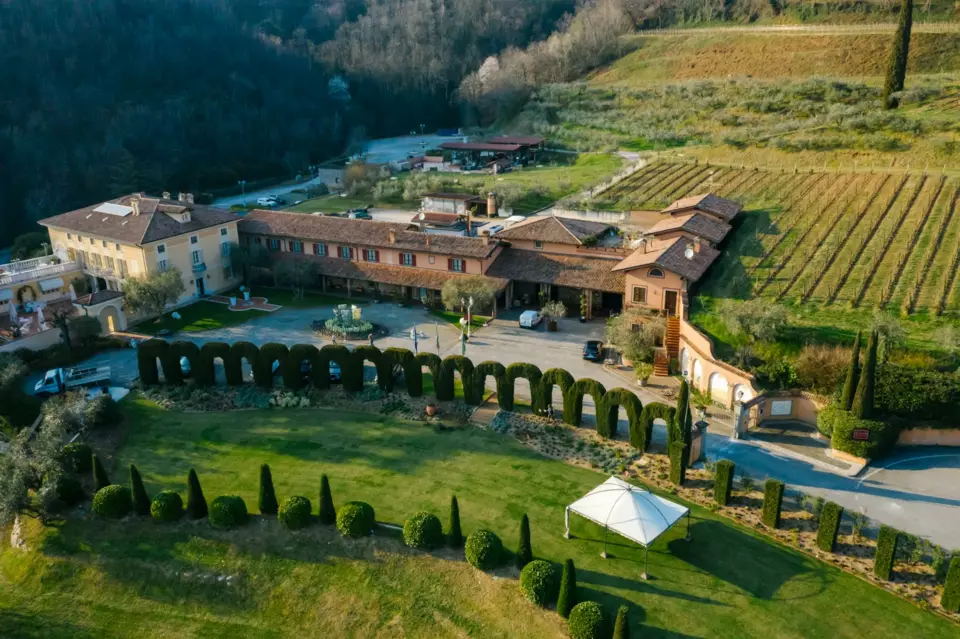

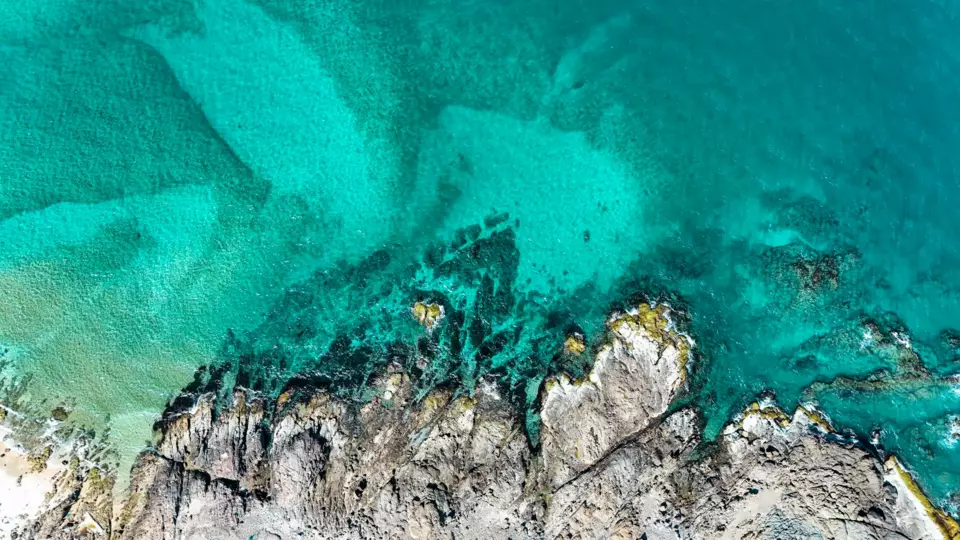
Tuscany’s reputation is built on rolling hills, Renaissance cities and some of the finest wine in the world, but its coastline and islands are an entirely separate treasure, one that most visitors never discover. The Tuscan Archipelago stretches across 50 nautical miles of Tyrrhenian Sea between the mainland coast and Corsica: seven islands, each with its own character, wrapped in a national park that protects some of the cleanest water in the western Mediterranean. Elba, the largest at 223 km², is where Napoleon spent his first exile in 1814 to 15, and its beaches, harbours and hilltop villages could fill a week on their own. Giglio and Giannutri offer granite coastlines and crystal-clear diving. Capraia, a volcanic island closer to Corsica than to the Italian mainland, feels genuinely remote. And Montecristo, the island that inspired Alexandre Dumas’s novel after he sailed past it in 1842, is one of the most restricted nature reserves in Europe, with just 2,000 visitors permitted per year.
Backing the archipelago is the Tuscan coast itself: the Argentario peninsula (Porto Santo Stefano and Porto Ercole, where Caravaggio died in 1610), the fashionable marina town of Punta Ala, and the Maremma, a wild, sparsely populated stretch of coastline that feels more like Sardinia than the Chianti most people associate with Tuscany. From a yacht, you have all of it: island-hopping between pristine bays and marine reserves by day, and the world’s finest wines and a Tuscan dinner on the aft deck by night. The distances are perfect for a 3 to 5-day charter, Elba to Giglio is 28 nautical miles, Elba to Capraia 18, and the mainland is never more than a couple of hours away.
Start planning your Tuscany charter with Boatcrowd and let our team match you to the perfect yacht and itinerary.
Ready to plan your Tuscany charter?
Tell us your dates and party size, we'll match you with the right yacht and crew.
Why Charter a Yacht in Tuscany
The Tuscan Archipelago: Seven Islands in a National Park
The Arcipelago Toscano National Park is the largest marine protected area in Europe, encompassing seven islands and over 600 km² of sea. Elba alone has more than 100 beaches, from broad sandy stretches to hidden granite coves accessible only by boat. Giglio’s underwater landscapes draw serious divers. Giannutri’s Roman villa (2nd century AD, with original mosaic floors) limits access to 75 guided visitors per day. Capraia’s volcanic cliffs are home to Posidonia meadows teeming with sea bream, grouper and snapper. And Montecristo, the most restricted of all, is a pristine wilderness where wild goats outnumber annual human visitors. The variety is extraordinary, volcanic rock, granite, limestone, Mediterranean scrub and crystalline water, all within a compact cruising ground.
Napoleon, Caravaggio and The Count of Monte Cristo
Tuscany’s islands and coast carry remarkable historical weight. Napoleon arrived in Elba on 4 May 1814 for his first exile, establishing his residence at the Palazzina dei Mulini in Portoferraio and ruling the island with characteristic energy for 300 days before his escape to France. Caravaggio, fleeing murder charges, died at Porto Ercole on the Argentario peninsula in 1610, his grave was identified in 2010. Alexandre Dumas sailed past Montecristo in 1842, described it as ‘fantastic and lonely, scented with thyme and broom’, and promised to write a novel bearing its name, The Count of Monte Cristo followed in 1844. These are islands where genuine history is layered into every harbour and headland.
World-Class Tuscan Wine at Every Anchorage
Chartering in Tuscany means access to some of Italy’s finest wine regions from the water. The Bolgheri coast, home to Sassicaia (Italy’s first single-estate DOC, the wine that launched the ‘Super Tuscan’ movement), Ornellaia and Masseto, sits just north of the Argentario. Morellino di Scansano (Sangiovese from the Maremma hills) pairs beautifully with the local wild boar and grilled fish. Elba has its own wine tradition: Aleatico dell’Elba DOCG (a sweet, ruby-red dessert wine) has been produced on the island for centuries. Your chef pairs them all with a cuisine that draws on both sea and hills: cacciucco (Livorno’s legendary five-fish stew), pici pasta (thick, hand-rolled Tuscan noodles), and fresh catch grilled over charcoal on the aft deck.
Diving, Snorkelling and Marine Reserves
The Tuscan Archipelago’s waters are among the cleanest and most biodiverse in the western Mediterranean, protected by both the national park and the Pelagos Sanctuary (the largest marine mammal sanctuary in the Mediterranean). Giannutri is a first-class dive destination, with Roman-era shipwrecks, Etruscan amphorae, and the Anna Bianca wreck at Punta Secca. Capraia’s volcanic underwater landscapes host Posidonia meadows, sea fans and dense fish populations. Elba’s northern coast offers excellent snorkelling at Spiaggia di Sansone, where white gravel shelves steeply into deep blue water. Dolphins, loggerhead turtles and, in deeper waters, fin whales are sighted regularly.
Key Destinations in Tuscany
-
Elba, The largest Tuscan island (223 km²), 10 km off the mainland. Portoferraio, its pastel-coloured capital, is the main embarkation port. Highlights include Napoleon’s residence (Palazzina dei Mulini), the beaches of Fetovaia (200 m of golden sand between granite cliffs), Sansone (crystal-clear snorkelling over white gravel) and Marina di Campo (1.3 km, the longest on the island). Monte Capanne (1,018 m) is the ‘roof of the archipelago’, reachable by cable car for panoramic views.
-
Giglio, A granite island accessible from Porto Santo Stefano, with the 500-metre crescent of Campese beach (golden sand, family-friendly shallows) as its star attraction. Giglio Porto is a colourful fishing harbour, and the medieval hilltop village of Giglio Castello offers views across to Montecristo and Corsica. Excellent underwater visibility for diving and snorkelling.
-
Giannutri, The southernmost Tuscan island, crescent-shaped, largely uninhabited, and home to a 2nd-century AD Roman villa (the Villa dei Domizi Enobarbi, with original black-and-white mosaic floors covering 5 hectares). Access is limited to 75 guided visitors per day. First-class diving: Roman and Etruscan wrecks, the Anna Bianca shipwreck at Punta Secca, and crystalline water over limestone reef.
-
Capraia, A volcanic island (19 km²) closer to Corsica than to the Italian mainland, and the wildest of the archipelago. Part of the Pelagos Sanctuary. Posidonia meadows, volcanic underwater rock formations, and rich fish populations make it a diver’s and snorkeller’s paradise. Relatively few visitors compared to Elba.
-
Montecristo, The most restricted island in the Tuscan Archipelago: only 2,000 guided visitors per year (groups of 12, children under 12 not permitted). Alexandre Dumas’s inspiration for The Count of Monte Cristo after his 1842 sail-past. A pristine nature reserve with wild goats, rare plants and no permanent inhabitants. Viewable from the water; landing requires months-in-advance booking.
-
Porto Santo Stefano and Porto Ercole (Argentario), Twin harbour towns on the Argentario peninsula, connected to the mainland by three sandy spits. Porto Santo Stefano is the embarkation point for Giglio and Giannutri ferries. Porto Ercole is the quieter, more atmospheric town, with Spanish-era fortifications and the distinction of being where Caravaggio died in 1610. Both offer excellent harbourside dining.
-
Punta Ala, A premium marina town on the Tuscan coast with 885 berths (including 70 transit berths for visiting yachts) and a 100-ton travel lift. The Yacht Club Punta Ala and its panoramic lounge restaurant make it an excellent provisioning stop and overnight berth.
Best Time to Charter in Tuscany
Peak Season: July and August
The warmest months (28 to 34°C / 82 to 93°F) with sea temperatures at 24 to 26°C. Elba’s beaches are at their busiest, Porto Santo Stefano fills with weekend boats, and charter rates peak. The social atmosphere is lively, with open-air concerts and sagre (food festivals) across the islands. Book by February for the best yachts.
Shoulder Season: May to June and September to October
Warm and sunny (22 to 28°C / 72 to 82°F), with warm seas and noticeably fewer boats. The island beaches empty and the anchorages are peaceful. September is when the grape harvest begins on the mainland, combine a day on Elba with an evening at a Bolgheri winery for the ultimate Tuscan experience. June offers long days, wildflowers and calm seas.
Early and Late Season: April and November
Mild days (16 to 22°C), cool evenings and a beautifully quiet archipelago. The sea is still cool for extended swimming, but Elba’s villages, Napoleon’s residences and the mainland’s wine estates are uncrowded and atmospheric. April wildflowers cover the islands; November brings autumn harvests on the coast.
Signature Experiences
- Swim at Spiaggia di Fetovaia, Elba, A 200-metre crescent of golden granite sand between towering cliffs on Elba’s south-west coast, sheltered from all winds except the Sirocco. Your crew anchors in the bay while you swim in impossibly clear water.
- Visit Napoleon’s Residence in Portoferraio, Tour the Palazzina dei Mulini, Napoleon’s official residence during his 1814 to 15 exile, perched on Portoferraio’s ramparts with views across the harbour and the Tuscan coast. The emperor’s desk, his bed and his personal library are still on display.
- Dive Giannutri’s Roman Wrecks, Descend to Roman-era shipwrecks and Etruscan amphorae in the crystalline water off Giannutri. The Anna Bianca wreck at Punta Secca is the highlight, a cargo vessel resting on the seabed amid sea fans and colourful fish. Diving is permitted in designated zones of the national park; your crew arranges permits.
- Sunset Wine Tasting on the Aft Deck, Your chef sources wines from the Bolgheri coast, Sassicaia, Ornellaia, or a Morellino di Scansano, and pairs them with local cheeses, crostini and views of the Tuscan Archipelago as the sun sets behind Corsica. Wine, sea and that particular Tuscan light.
- Sail Past Montecristo, Even if you can’t land (access is limited to 2,000 visitors per year), cruising past Montecristo’s wild granite peaks, uninhabited, covered in Mediterranean scrub, exactly as Dumas described it in 1842, is a powerful experience. Your captain positions the yacht for the best view.
- Cacciucco in Portoferraio, Taste Tuscany’s legendary fish stew (a minimum of five seafood species, simmered in tomato, garlic, wine and chilli) at a harbourside trattoria in Elba’s capital. It originated in Livorno but every Tuscan port has its own version, and the debate over which is best could fill a charter week.
Yacht Types Available
Motor Yachts (55’-99’)
Median weekly rate $395,000. Base rate, before APA and tax.
Well suited to the Tuscan Archipelago’s manageable distances (Elba to Giglio is 28 nautical miles, Elba to Capraia 18). Crewed motor yachts in this range sleep 6 to 8 guests with a crew of 3 to 5 and carry a full complement of water toys for the archipelago’s excellent snorkelling.
Superyachts (100’+)
Punta Ala’s marina can accommodate larger yachts, and the Tuscan Archipelago’s anchorages provide the seclusion that superyacht guests seek. Charters are on MYBA terms.
Luxury Catamarans (55’+)
Excellent for the Tuscan Archipelago, where many of the best anchorages are shallow and sheltered. A catamaran’s shallow draft allows access to Elba’s granite coves and Giglio’s tight bays. The latest Sunreef and Lagoon models (up to 80’) offer full-crew luxury.
Frequently Asked Questions
How far is Elba from the Tuscan mainland?
Elba sits just 10 kilometres (roughly 5.5 nautical miles) off the mainland at Piombino. By yacht, you can reach Portoferraio in under 30 minutes from the coast. Flights arrive at Pisa or Florence, with a 2 to 2.5-hour transfer to Piombino or the coastal embarkation marinas.
Can I visit Montecristo?
Landing on Montecristo is extremely restricted, only 2,000 guided visitors per year are permitted, in groups of no more than 12, and children under 12 are not allowed. Bookings must be made well in advance through the Forestry Corps. However, you can cruise past the island and admire its wild granite peaks from the water, exactly as Alexandre Dumas did in 1842 before writing The Count of Monte Cristo.
Is the Tuscan Archipelago good for diving?
Excellent. Giannutri is one of the finest dive sites in the Tyrrhenian Sea, with Roman-era shipwrecks, Etruscan amphorae and the Anna Bianca wreck at Punta Secca. Capraia’s volcanic underwater landscapes offer rich biodiversity. The national park regulates diving in certain zones, your Boatcrowd team and onboard crew handle all permits and arrangements.
Can I combine a Tuscan Archipelago charter with mainland wine tours?
Absolutely, and it’s one of the great advantages of chartering here. The Bolgheri wine coast (Sassicaia, Ornellaia) is on the mainland just north of the Argentario, easily reached by tender and a short transfer. A morning at a Bolgheri estate followed by lunch among the vines and an evening back on the yacht at Elba is a very Tuscan day. Your Boatcrowd specialist can arrange private winery visits at the top estates.
What about sailing to Corsica from the Tuscan Archipelago?
Capraia, the most westerly Tuscan island, sits closer to Corsica than to the Italian mainland. From Capraia to Bastia on Corsica’s east coast is roughly 35 nautical miles, a comfortable 2-hour crossing on a motor yacht. From Elba’s western tip, Corsica is roughly 30 nautical miles. A 5-day or longer charter can easily combine the Tuscan Archipelago with Corsica for a cross-border itinerary.
Ready to plan your Tuscany charter?
Tell us your dates and party size, we'll match you with the right yacht and crew.
40 to 50 min by road to Marina di Stabia
Every yacht is chartered fully crewed with a professional captain and crew, so no licence or sailing experience is required, you simply step aboard.
What a Charter in Italy Costs Today
The Monthly Price Index · October 2026, low season
Best time to charter Italy
Local knowledgeJune and September are the connoisseur's months on the Amalfi Coast and in Sardinia: warm seas, open berths and the coast at its most relaxed.
