 Skip to content

 EN
EN  Deutsch
  Français
  Español
  Italiano
  日本語
日本語  Português


Naples · In this guide
Naples Guide: Luxury Yacht Charter in Naples and the Bay of Naples


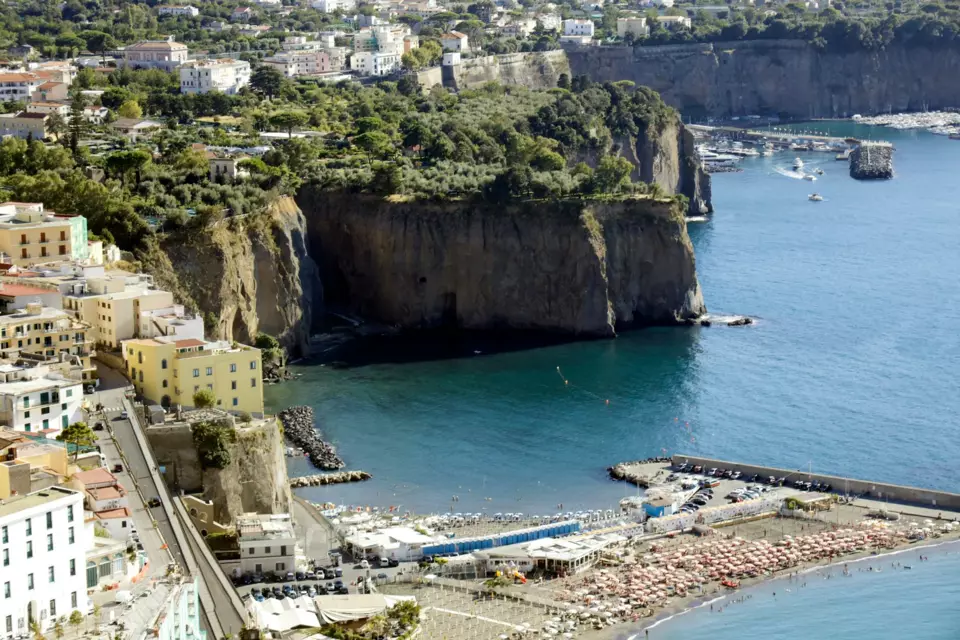
Naples is a city that overwhelms the senses in the best possible way. It sprawls across a curving bay with Vesuvius rising behind it – an active volcano that last erupted in 1944 and still watches over Europe’s most densely layered city like a reminder that nothing here should be taken for granted. The historic centre, a UNESCO World Heritage Site covering 1,700 hectares, holds 2,500 years of continuous civilisation compressed into a labyrinth of narrow lanes, Baroque churches, Roman aqueducts and subterranean Greek quarries. Teatro di San Carlo, inaugurated in 1737, is the oldest continuously active opera house in the world. The Museo Archeologico Nazionale houses the finest collection of Roman antiquities on earth, including the Alexander Mosaic from Pompeii and the entire Secret Cabinet of erotic art recovered from Herculaneum. And the food – from the original pizza margherita to the sfogliatella, from ragù napoletano simmered for six hours to mozzarella di bufala pulled that morning in the Caserta province – is arguably Italy’s most soulful.
From a yacht in the Bay of Naples, the city makes sense. The bay’s geography is almost impossibly generous: Capri sits 12 nautical miles to the south, Ischia 20 nautical miles to the west, tiny Procida (Italian Capital of Culture 2022) just beyond. Sorrento is 15 nautical miles across the water, and the entire Amalfi Coast lies within a day’s cruise. Vesuvius and the ruins of Pompeii and Herculaneum are a short drive from the waterfront. Your yacht becomes a floating base from which the entire bay – one of the most historically and culturally rich stretches of water in the Mediterranean – unfolds in every direction.
Enquire with Boatcrowd for availability and pricing on our Bay of Naples fleet.
Why Charter a Yacht in the Bay of Naples
A UNESCO Historic Centre: 2,500 Years in One City
Naples’s historic centre is one of the oldest continuously inhabited urban areas in the world. The original Greek colony of Neapolis was founded around 470 BC, and the street grid of the ancient decumani – Spaccanapoli, Via dei Tribunali and Via Anticaglia – still forms the skeleton of the modern city. Along these lanes you encounter the Cappella Sansevero and its extraordinary Veiled Christ sculpture (carved from a single block of marble in 1753), the majolica-tiled cloister of Santa Chiara (built 1310, tiled in the 1740s), and Via San Gregorio Armeno, where artisans have been crafting Neapolitan nativity figures (presepi) for centuries. Below street level, Napoli Sotterranea reveals 40 metres of depth: Greek-quarried tufa, Roman aqueducts, and Second World War air-raid shelters that protected 200,000 people during the Allied bombing campaign.
Vesuvius, Pompeii and Herculaneum: An Archaeological Triumvirate
Mount Vesuvius rises 1,281 metres above the bay, the only active volcano on mainland Europe. Its eruption on 24 August 79 AD buried Pompeii under 4–6 metres of ash and pumice, and engulfed Herculaneum in a superheated pyroclastic flow that carbonised and preserved everything in its path – including wooden furniture, scrolls and food. Pompeii, 24 kilometres from the Naples waterfront, is the most completely preserved Roman city ever excavated: 44 hectares of streets, houses, temples, baths, theatres and a 20,000-seat amphitheatre. Herculaneum, just 11 kilometres from the port, is smaller but better preserved, with intact upper storeys, vivid frescoes and the Villa dei Papiri – whose 1,800 carbonised papyrus scrolls are still being deciphered using AI-assisted imaging. From the summit crater of Vesuvius (a 30-minute hike from the car park), you can see both sites and the entire bay laid out below.
The Birthplace of Pizza and Italy’s Most Soulful Cuisine
Naples invented pizza. The story is famous but bears repeating: in June 1889, pizzaiolo Raffaele Esposito prepared a pizza for Queen Margherita of Savoy at Pizzeria Brandi, topping it with tomato, mozzarella and basil to mirror the Italian flag. The queen’s endorsement elevated a street food into a global icon, and the pizza margherita has carried her name ever since. L’Antica Pizzeria da Michele, founded in 1870 in the Forcella district, serves only two varieties – margherita and marinara – and the queue stretches down the street daily. Beyond pizza, Naples’s culinary depth is extraordinary: sfogliatella (a shell-shaped pastry of thin, crisp layers filled with ricotta, semolina and candied citrus), babà (rum-soaked sponge cake that arrived via Poland and France but became definitively Neapolitan), ragù napoletano (a slow-braised meat sauce cooked for a minimum of six hours), and mozzarella di bufala DOP from the herds of Campania’s river plains.
World-Class Museums and the Oldest Opera House
The Museo Archeologico Nazionale di Napoli (MANN) is the most important archaeological museum in the Western world. Its collections include the Farnese Marbles (Renaissance-era antiquities featuring over 2,000 carved gems), the Alexander Mosaic (depicting Alexander the Great’s victory over Darius III, recovered from Pompeii’s House of the Faun), and the Secret Cabinet – 250 erotic objects from Pompeii and Herculaneum that scandalized 18th-century excavators and remained locked away until the year 2000. The Museo di Capodimonte, housed in a Bourbon palace amid 134 hectares of parkland, holds works by Caravaggio, Titian and Raphael. And Teatro di San Carlo – inaugurated on 4 November 1737, a full 41 years before La Scala – remains one of the finest opera houses in Europe, with six tiers of boxes and a royal box that extends across the entire width of the auditorium.
Three Islands, One Bay
The Bay of Naples contains three islands, each with a distinct character. Capri (12 nautical miles south of Naples) is the glamorous headliner: the Blue Grotto, the Faraglioni, Michelin-starred dining above the sea. Ischia (20 nautical miles west) is the bay’s largest island at 46 square kilometres, volcanic in origin, famous for its therapeutic hot springs and the medieval Aragonese Castle perched on a volcanic islet. Procida (just beyond Ischia) is the smallest and most authentic – a pastel-painted fishing island of 10,000 people named Italian Capital of Culture 2022, with Marina Corricella’s peach and lemon-yellow houses recognisable from the films Il Postino and The Talented Mr. Ripley. All three are within easy cruising range of the Naples waterfront, making the bay one of the most rewarding short-charter grounds in the Mediterranean.
Key Destinations in the Bay of Naples
-
Castel dell’Ovo – Naples’s oldest castle, built by the Normans in the 12th century on the tiny island of Megaride in the Borgo Marinaro harbour. Free entry. The ramparts offer panoramic views of Vesuvius and the bay, and the harbour below is lined with seafood restaurants.
-
Castel Nuovo (Maschio Angioino) – The imposing medieval fortress built in 1279, with a magnificent Renaissance triumphal arch at its entrance. Houses a museum of paintings and sculptures. Visible from the water as you approach Naples’s commercial port.
-
Spaccanapoli – The arrow-straight Roman decumanus that splits the historic centre from west to east. Walk it to encounter the Gesù Nuovo church (its diamond-point façade unique in Italy), Santa Chiara’s majolica cloister, the Cappella Sansevero with the Veiled Christ, and Via San Gregorio Armeno’s nativity workshops.
-
Pompeii – The Roman city buried by Vesuvius in 79 AD, 24 km south of Naples. A 44-hectare open-air museum of streets, houses, temples and a 20,000-seat amphitheatre. Accessible by car or train from the Naples waterfront in roughly 30 minutes.
-
Herculaneum – The wealthier Roman town, 11 km from Naples, engulfed by pyroclastic flows that preserved intact upper storeys, wooden furniture and the Villa dei Papiri’s 1,800 carbonised scrolls. Smaller than Pompeii but often considered more atmospheric and better preserved.
-
Procida – The bay’s smallest island, named Italian Capital of Culture 2022. Marina Corricella’s pastel waterfront is one of the most photogenic harbours in the Mediterranean. Car-free lanes, genuine fishing culture, and granita di limone at a harbourside café.
-
Ischia – The bay’s largest island (46 km²), volcanic in origin. The Aragonese Castle, Sorgeto Bay’s natural hot springs (volcanic water bubbling through the rocks into the sea), and the car-free village of Sant’Angelo on its dramatic isthmus.
Best Time to Charter in Naples
Peak Season: July and August
The hottest months (28–35°C / 82–95°F) with sea temperatures peaking at 26–27°C. Naples buzzes with energy, the islands are at their liveliest, and the long days allow evening cruises across the bay with Vesuvius silhouetted against the sunset. Charter rates are at their highest. Book early – the Bay of Naples is one of the most popular charter grounds in the Mediterranean.
Shoulder Season: May–June and September–October
Warm, sunny weather (22–28°C / 72–82°F) with fewer crowds and noticeably more relaxed islands. The sea is warm enough for comfortable swimming from late May (22–26°C). September is the insider pick: golden light, warm sea, quieter anchorages, and charter rates 15–25% below peak. Pompeii and Herculaneum are significantly less crowded, making the archaeological visits more enjoyable.
Early Season: April
Mild days (17–22°C) and the city’s cultural calendar in full swing. The sea is cool for swimming but the bay is beautiful and uncrowded. Naples’s churches, museums and underground tunnels are at their best without summer crowds. Excellent value on charter rates.
Signature Experiences
- Pizza at the Source – Take the tender ashore to the Forcella district and queue at L’Antica Pizzeria da Michele (founded 1870) for the margherita that set the standard. Or book a table at Pizzeria Brandi, where Raffaele Esposito created the pizza margherita for Queen Margherita in 1889.
- Pompeii and Vesuvius in a Day – Your crew arranges a car from the waterfront. Morning at Pompeii (arrive at opening for the emptiest streets), then drive to the Vesuvius crater car park and hike 30 minutes to the rim for panoramic views of the bay, both ancient cities and the islands. Return to the yacht for a late lunch on the aft deck.
- Napoli Sotterranea – Descend 40 metres below street level into Naples’s underground network: Greek quarries from the 4th century BC, Roman aqueducts, and Second World War shelters still bearing inscriptions from the 200,000 people who sheltered here during the bombing of 1943.
- Opera at Teatro di San Carlo – The world’s oldest continuously active opera house (1737), 41 years older than La Scala. Six tiers of boxes, red velvet and gold leaf, and a programme that runs from October to June. Your concierge secures the best seats.
- A Sunset Bay Cruise – Depart the Naples waterfront in the late afternoon and cruise south toward Capri. Watch Vesuvius, Castel dell’Ovo and the city skyline recede as the sun drops behind Ischia. Champagne on the flybridge, your chef preparing dinner as the bay turns from gold to violet.
- Island-Hopping: Three Islands in Three Days – Capri (Blue Grotto, Faraglioni, Piazzetta), Procida (Marina Corricella, Chiaia beach, authentic island life) and Ischia (Aragonese Castle, Sorgeto hot springs, coniglio all’ischitana for dinner). The short distances – nothing is more than 20 nautical miles apart – make the bay ideal for a compact multi-island charter.
Yacht Types Available
Motor Yachts (55’–99’)
The most popular choice for the Bay of Naples, where short passages (Naples to Capri is 12 nautical miles, Naples to Sorrento 15 nautical miles) and varied daily itineraries reward manoeuvrability and speed. Crewed motor yachts in this range sleep 6–8 guests with a crew of 3–5. Marina di Stabia offers 1,300 berths with superyacht quays accommodating vessels up to 100 metres. Weekly rates start from approximately $40,000–$65,000 depending on season.
Superyachts (100’+)
The Bay of Naples’s infrastructure is among the best in the Mediterranean for large yachts. Marina di Stabia’s dedicated superyacht quays accommodate vessels up to 100 metres with 6-metre minimum water depth. Mergellina, closer to the historic centre, is expanding to add 350–400 new berths by 2027. A superyacht provides the space and crew to host Naples-style entertaining – a chef preparing sfogliatella fresh in the morning, Neapolitan ragù simmering all afternoon, dinner on the aft deck with the city lights reflected in the bay. Weekly rates start from $90,000–$175,000 on MYBA terms.
Luxury Catamarans (55’+)
Catamarans offer stability for the open-water crossings to Ischia and Capri and generous deck space for enjoying the bay’s panoramic scenery. Their shallow draft allows close-in anchoring at Procida’s smaller coves and Ischia’s volcanic bathing spots. Weekly rates start from approximately $35,000–$47,000 for a crewed 60’ catamaran.
Frequently Asked Questions
How far is Naples from the main charter destinations?
Naples sits at the centre of one of the Mediterranean’s most compact cruising grounds. Capri is 12 nautical miles south (roughly 45 minutes at cruising speed), Ischia is 20 nautical miles west (just over an hour), and Procida is a short hop beyond. Sorrento is 15 nautical miles across the bay, and Positano on the Amalfi Coast is roughly 27 nautical miles. You can reach any major destination in the bay within 90 minutes, making Naples an ideal base for daily exploration.
Can I visit Pompeii from a yacht?
Yes. Your crew arranges a car from the Naples waterfront or from Marina di Stabia (which is closest to Pompeii, roughly 8 kilometres by road). The drive takes 20–30 minutes. Arrive at opening time for the quietest visit, allow 2–3 hours for the main highlights, and combine with a 30-minute hike to the Vesuvius crater rim before returning to the yacht for a late lunch. Herculaneum is even closer – just 11 kilometres from the Naples port.
Is Naples safe for yacht charter guests?
Naples has improved dramatically in recent years, particularly in the tourist-frequented areas of the historic centre, the waterfront and the Chiaia district. The standard precautions for any major city apply. Your crew and concierge know the city intimately and arrange all transfers, restaurant bookings and guided visits. Many guests find that Naples’s energy, authenticity and cultural depth make it the most rewarding city stop on any Italian charter.
What is the best way to experience Neapolitan cuisine on a charter?
The beauty of a Naples charter is that you experience the food both on and off the yacht. Go ashore for pizza at Da Michele or Sorbillo, for sfogliatella at Pintauro (Via Toledo, baking since 1785), and for a full Neapolitan dinner at one of the city’s Michelin-starred restaurants – Don Alfonso 1890 (two stars) or Palazzo Petrucci (one star) near Castel dell’Ovo. On the yacht, your chef sources ingredients from the morning markets and prepares mozzarella di bufala, fresh pasta and Neapolitan desserts with the bay as your dining room.
Can I combine Naples with the Amalfi Coast?
Absolutely – in fact, this is one of the most popular charter routes in Italy. A 7-day itinerary might spend two days in the Bay of Naples (the city, Pompeii, Vesuvius), two days island-hopping (Capri, Procida, Ischia), and three days along the Amalfi Coast (Positano, Amalfi, Ravello). The distances are short – nothing exceeds 30 nautical miles – and the variety of experiences is unmatched anywhere in the Mediterranean.
Ready to plan your Naples charter?
Tell us your dates and party size – we'll match you with the right yacht and crew.
40–50 min by road to Marina di Stabia
Every yacht is chartered fully crewed with a professional captain and crew, so no licence or sailing experience is required — you simply step aboard.
Best time to charter Italy
Local knowledgeJune and September are the connoisseur's months on the Amalfi Coast and in Sardinia – warm seas, open berths and the coast at its most relaxed.
