 Skip to content

 EN
EN  Deutsch
  Français
  Español
  Italiano
  日本語
日本語  Português


Liguria · In this guide
Liguria Guide: Luxury Yacht Charter on the Italian Riviera
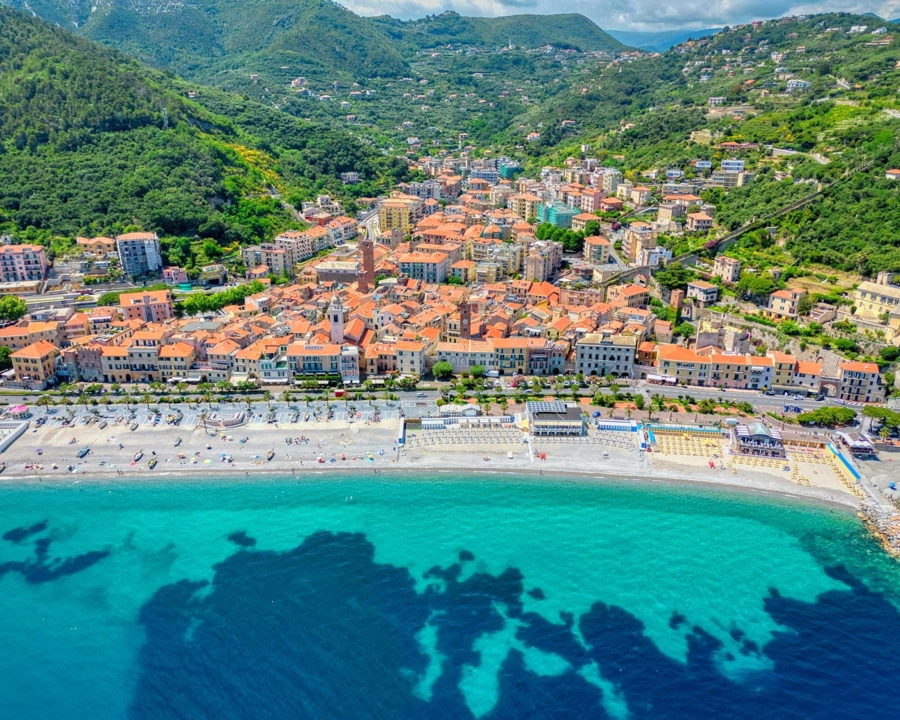
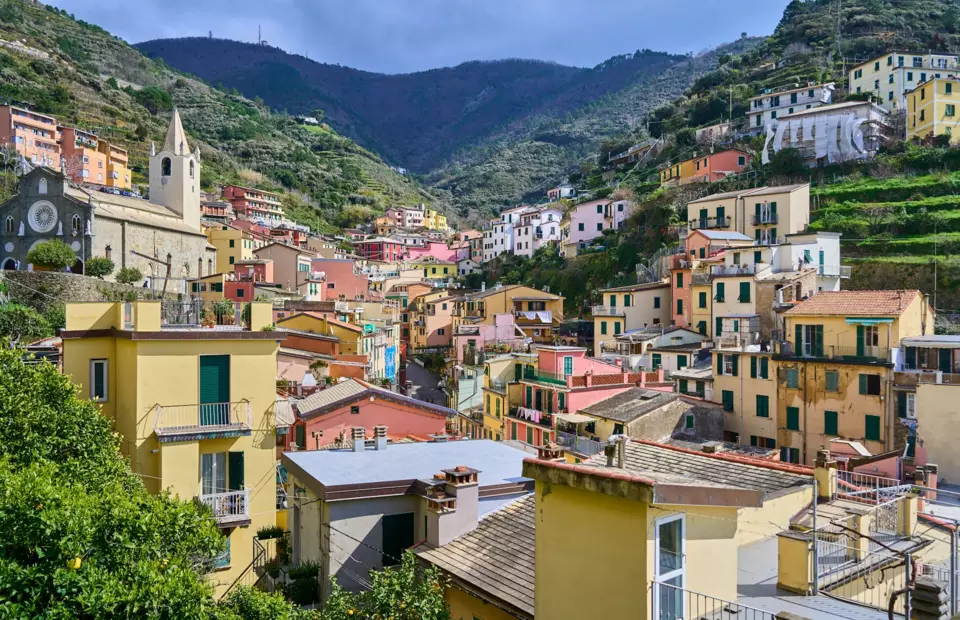
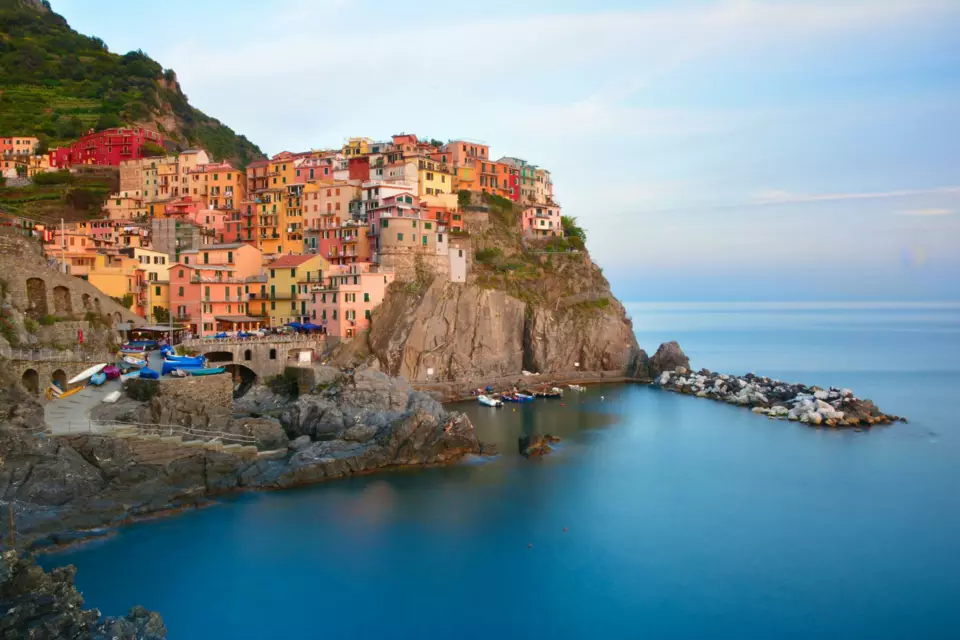
Liguria’s 350 kilometres of coastline arc from the French border to Tuscany in a continuous sweep of Mediterranean drama. This is the Italian Riviera, and its two halves offer strikingly different characters: the Riviera di Ponente to the west, with its long sandy beaches, 300 days of sunshine a year, and the faded belle-époque glamour of San Remo; and the Riviera di Levante to the east, where the mountains drop steeply into the sea, the coastline becomes a sequence of dramatic headlands and hidden coves, and the villages – Portofino, Camogli, the five villages of the Cinque Terre – cling to near-vertical cliffs as though carved from the rock itself.
From a yacht, Liguria unfolds as a series of perfect vignettes. One morning you are anchored off Portofino’s tiny harbour watching the piazzetta come to life; that afternoon you are diving on the Cristo degli Abissi bronze at 12 metres depth off San Fruttuoso. The next day you cruise to Sestri Levante’s Baia del Silenzio – the Bay of Silence – for a swim in water that earns its name. By the following afternoon you are approaching the Cinque Terre from the sea, the five villages stacked on terraced cliffs above vineyards that have been cultivated since the 11th century. The distances are short (Genoa to Portofino is 15 nautical miles, Portofino to the Cinque Terre is 30 nautical miles), the marinas are excellent, and the food – pesto alla genovese made with Prà basil, focaccia di Recco oozing with stracchino cheese, trofie and pansotti, anchovies fresh from the morning boats – is among the most distinctive in Italy.
Enquire with Boatcrowd for availability and pricing on our Italian Riviera fleet.
Why Charter a Yacht on the Italian Riviera
Two Rivieras, One Coastline
The Riviera di Ponente (the ‘sunset coast’ west of Genoa) offers broader beaches, a drier climate and the Riviera dei Fiori – the Riviera of Flowers, where the mild winters have supported a commercial flower-growing industry for over a century. San Remo, with its Art Nouveau casino (built 1905), its annual music festival (running since 1951) and its luxury shopping, is the Ponente’s grande dame. The Riviera di Levante (the ‘sunrise coast’ east of Genoa) is wilder and more dramatic: precipitous cliffs, tiny pebble coves accessible only by boat, and a sequence of villages – Camogli, Santa Margherita Ligure, Portofino, Sestri Levante, the Cinque Terre – that rank among the most beautiful in the Mediterranean. A Ligurian charter can cover both, or focus on the Levante’s concentrated glamour.
Genoa: Maritime Republic and Cultural Capital
Genoa was one of the four great Maritime Republics of Italy, and its historic centre – 113 hectares of medieval lanes (caruggi), Renaissance palaces and Baroque churches – is one of the largest and most densely layered in Europe. The UNESCO-listed Palazzi dei Rolli (42 palaces built by the Genoese aristocracy in the 16th and 17th centuries) line the Strade Nuove, their frescoed ceilings and columned courtyards still intact. The Acquario di Genova, with over 12,000 animals across 70 tanks representing 600 species, is the largest aquarium in Europe. The Galata Museo del Mare, the largest maritime museum in the Mediterranean, traces Genoa’s seafaring history from medieval galleys to modern liners, with a full-scale reconstruction of a 17th-century Genoese galley and the Nazario Sauro submarine open for tours in the dock. Genoa is also a working city with outstanding food markets, backstreet trattorias and a gritty energy that counterbalances the Riviera’s polished glamour.
Cinque Terre: Five Villages on a Cliff
The Cinque Terre – Monterosso al Mare, Vernazza, Corniglia, Manarola and Riomaggiore – has been a UNESCO World Heritage Site since 1997, and from the sea the reason is immediately clear. Five villages are stacked on near-vertical terraced cliffs, their colourful houses packed tightly between vineyards that have been cultivated on dry-stone terraces since the 11th century. By yacht, you approach without the crowds that fill the hiking paths and the tiny train station platforms: anchor offshore, take the tender in, and walk the village lanes at your own pace. The Via dell’Amore – the 900-metre clifftop path between Riomaggiore and Manarola – reopened in 2025 after six years of restoration, offering a 20-minute walk with views that justify every step.
Ligurian Cuisine: Pesto, Focaccia and the Sea
Ligurian food is lighter and more herbaceous than you might expect from Italy. Pesto alla genovese – made with seven ingredients: Prà basil DOP (grown in the Genoa district since antiquity, prized for its delicate, non-minty flavour), extra-virgin olive oil, Parmigiano-Reggiano, Pecorino Fiore Sardo, pine nuts, garlic and sea salt – is the region’s most famous export, and it tastes different here, fresher and more floral, because the basil is at its best. Focaccia di Recco, from the small town east of Genoa, is a thin, crisp double layer of dough filled with oozing stracchino cheese – deceptively simple and utterly addictive. Trofie (hand-rolled pasta twists, traditionally served with pesto), pansotti (ravioli stuffed with wild greens and ricotta, dressed in walnut sauce), farinata (a crisp chickpea-flour pancake baked in a wood oven) and fresh anchovies from the morning boats complete a cuisine that reflects the coast’s herbs, olive oil and sea.
The Portofino Marine Protected Area
The Portofino Marine Protected Area, established in 1999, covers approximately 374 hectares of some of the richest waters in the Mediterranean. Its three zones protect an extraordinary diversity of marine life: yellow, orange and red gorgonian formations, Posidonia seagrass meadows, coral populations and colourful reef walls. Zone B alone contains 20 world-class dive sites with dedicated mooring points. The Cristo degli Abissi – a 2.5-metre bronze statue installed at 17 metres depth off San Fruttuoso in 1954, later repositioned to 12 metres – is one of the most iconic underwater monuments in the world. Approximately 50,000 dives are recorded in the MPA annually.
Key Destinations Along the Ligurian Coast
-
Portofino – The Italian Riviera’s most famous harbour. A village of barely 355 residents wrapped around a tiny harbour, with luxury boutiques, the Piazzetta, Castello Brown and the Belmond Hotel Splendido above. Berths for superyachts up to 64 metres on the central quay, with Baia Cannone accommodating vessels up to 80 metres.
-
Santa Margherita Ligure – The elegant resort town on the Tigullio Gulf, a 2-nautical-mile cruise from Portofino. A working harbour of roughly 600 berths, palm-lined promenades, pastel-painted villas and excellent seafood restaurants. The quieter, more affordable neighbour to Portofino.
-
Camogli – A traditional fishing village east of Genoa, known for its tall, narrow houses painted in trompe-l’œil colours and its pebble beach beneath pine-covered hills. The gateway to San Fruttuoso (accessible only by boat or trail) and the western entrance to the Portofino Marine Protected Area.
-
San Fruttuoso – A 10th-century Benedictine abbey in a cove accessible only by boat or a 2.5-hour hiking trail from Camogli. The Doria family watchtower (1562) rises above the beach, and the Cristo degli Abissi bronze lies at 12 metres depth offshore. One of the most atmospheric stops on the Ligurian coast.
-
Sestri Levante – A town on a promontory between two bays: the Baia delle Favole (Bay of Fables, named by Hans Christian Andersen) and the Baia del Silenzio (Bay of Silence), one of the most beautiful small beaches in Italy. 8 nautical miles from Portofino.
-
Cinque Terre – Five UNESCO-listed villages on terraced cliffs: Monterosso al Mare (the only one with a proper beach), Vernazza (the most photogenic harbour), Corniglia (perched on a headland 100 metres above the sea), Manarola (surrounded by vineyards) and Riomaggiore (the easternmost, with its colourful tower houses). Best approached by yacht to avoid the crowds.
-
Genoa – The Ligurian capital and former Maritime Republic. Marina Porto Antico offers 270 berths for yachts up to 75 metres in the heart of the historic port, steps from the aquarium, the Galata Maritime Museum and the UNESCO Palazzi dei Rolli.
Best Time to Charter in Liguria
Peak Season: July and August
The warmest months (27–32°C / 81–90°F) with sea temperatures of 24–25°C and up to 9 hours of sunshine per day. The Riviera is at its liveliest: the Portofino piazzetta buzzes, the Cinque Terre villages are animated, and the long days allow evening cruises between headlands in golden light. Charter rates are at their highest. Book by March for the best yachts.
Shoulder Season: May–June and September–October
Warm, sunny weather (20–27°C / 68–81°F) with significantly fewer visitors. The sea is warm enough for comfortable swimming from June onward (21–24°C). September is particularly rewarding on the Riviera di Levante: the water is warm, the light is golden, the Cinque Terre hiking paths are quiet, and charter rates are 15–25% below peak.
Early Season: April
Mild days (15–20°C), blooming gardens and a beautifully quiet coast. Many restaurants and hotels are open but the crowds have not yet arrived. The sea is cool (16–18°C) but the landscape is lush and green, ideal for coastal cruising and cultural visits.
Signature Experiences
- Dive the Cristo degli Abissi – Descend to 12 metres off San Fruttuoso to visit the iconic 2.5-metre bronze Christ statue, arms upraised, surrounded by gorgonian fans and schools of fish. Your crew arranges dive equipment and MPA permits. Even snorkellers can glimpse the statue from the surface on calm days.
- Pesto-Making in Genoa – Visit a Genoese trattoria or cooking school for a hands-on lesson in pesto alla genovese, grinding Prà basil DOP, pine nuts, garlic, Parmigiano and Pecorino with a marble mortar and pestle. Then eat your creation with trofie pasta, as it should be served.
- The Cinque Terre by Tender – Anchor offshore and tender into each of the five villages, exploring at your own pace while your yacht follows along the coast. Walk a section of the Sentiero Azzurro between villages, then meet the yacht at the next anchorage. Lunch at a cliff-edge trattoria in Vernazza.
- Focaccia di Recco – Cruise to Recco (between Camogli and Genoa) and go ashore for the town’s signature dish: wafer-thin focaccia filled with molten stracchino cheese, baked in a wood oven until blistered and bubbling. Simple, perfect, and best eaten still warm from the oven.
- Sunset at Baia del Silenzio – Anchor in Sestri Levante’s Bay of Silence as the late-afternoon light turns the coloured houses along the shore to gold. Swim in water that earns its name, then dine on the aft deck as the evening settles over one of the quietest bays on the Riviera.
- The Portofino Lighthouse Walk – Take the tender into Portofino harbour and walk the path from the Piazzetta to the lighthouse at Punta del Faro (roughly 20 minutes). The views of the Ligurian Sea and the Tigullio Gulf from the headland are among the finest on the coast. Return via Castello Brown for a panoramic overview of the harbour.
Yacht Types Available
Motor Yachts (55’–99’)
Ideal for the Ligurian coast, where the cruising distances are short (Genoa to Portofino is 15 nautical miles, Portofino to the Cinque Terre is 30 nautical miles) and the harbours compact. Crewed motor yachts in this range sleep 6–8 guests with a crew of 3–5. Porto Carlo Riva in Rapallo offers 250 berths for yachts up to 60 metres, and Marina Porto Antico in Genoa accommodates yachts up to 75 metres. Weekly rates start from approximately $40,000–$65,000 depending on season.
Superyachts (100’+)
The Riviera di Levante has hosted superyachts since the 1950s, and the infrastructure reflects it. Marina Porto Antico in Genoa’s historic port accommodates vessels up to 75 metres with no draft limitations and a fully driveable quay for direct vehicle access. Portofino’s Baia Cannone can berth yachts up to 80 metres. A superyacht provides the prestige to match one of the Mediterranean’s most glamorous coastlines. Weekly rates start from $90,000–$175,000 on MYBA terms.
Luxury Catamarans (55’+)
Catamarans offer stability and deck space for the coastal cruising that defines a Ligurian charter. Their shallow draft allows close-in anchoring at Cinque Terre anchorages, San Fruttuoso and the smaller coves along the Levante coast. Weekly rates start from approximately $35,000–$47,000 for a crewed 60’ catamaran.
Frequently Asked Questions
How far apart are the main destinations in Liguria?
Genoa to Portofino is 15 nautical miles (roughly an hour at cruising speed). Portofino to the Cinque Terre is 30 nautical miles (about 1.5–2 hours). Portofino to Santa Margherita Ligure is just 2 nautical miles. These short distances make Liguria ideal for a leisurely charter with multiple stops per day and plenty of time for swimming, dining and exploration at each.
Can I anchor at the Cinque Terre?
Yes, though anchoring is regulated within the Cinque Terre marine area. Your captain knows the designated anchorage zones off each village. Monterosso has the most straightforward anchoring, while Vernazza and Manarola offer dramatic but more weather-dependent positions. The beauty of arriving by yacht is that you avoid the crowded trains and hiking paths entirely – tender in, explore the village, and return to the peace of your yacht.
What is the best base for a Ligurian charter?
Genoa is the most practical starting point, with excellent marina facilities (270 berths at Marina Porto Antico, up to 75 metres), an international airport and direct rail connections. Santa Margherita Ligure and Rapallo (home to Porto Carlo Riva, one of Italy’s first superyacht marinas) are popular alternatives for a Riviera di Levante-focused itinerary. For a charter covering both Rivieras, Genoa’s central position is ideal.
Is the Portofino Marine Protected Area accessible by yacht?
Yes, with some regulations. Yachts may anchor in Zone C (the outermost buffer zone) and dive in Zone B with MPA authorisation. Zone A (Cala dell’Oro) is restricted to scientific research. Your captain arranges the necessary permits. The MPA’s 20 dive sites in Zone B – including the Cristo degli Abissi statue at 12 metres depth – are among the finest in the Mediterranean.
What wines should I try in Liguria?
Liguria’s wines are produced in tiny quantities and rarely exported, making a charter the ideal way to discover them. Vermentino (light, coastal, mineral) and Pigato (a Vermentino biotype with greater depth – look for examples from vineyards above 300 metres that develop aromatic herb and maritime pine resin notes) are the signature whites, both part of the Riviera Ligure di Ponente DOC. Rossese is the principal red. Cinque Terre DOC white is the local wine of the five villages, and Sciacchetrà – a sweet passito wine from sun-dried Cinque Terre grapes – is one of Italy’s rarest and most prized dessert wines.
Ready to plan your Liguria charter?
Tell us your dates and party size – we'll match you with the right yacht and crew.
40–50 min by road to Marina di Stabia
Every yacht is chartered fully crewed with a professional captain and crew, so no licence or sailing experience is required — you simply step aboard.
Best time to charter Italy
Local knowledgeJune and September are the connoisseur's months on the Amalfi Coast and in Sardinia – warm seas, open berths and the coast at its most relaxed.
