 Skip to content

 EN
EN  Deutsch
  Français
  Español
  Italiano
  日本語
日本語  Português


Japan · In this guide
Japan Guide: Luxury Yacht Charter in Japan
Japan is not the first destination most charter guests picture when they think of a superyacht holiday – and that is precisely what makes it so rewarding. This is an archipelago of nearly 7,000 islands strung across 3,000 kilometres of the north-west Pacific, with a coastline that stretches for almost 30,000 km – longer than Brazil’s, longer than Australia’s, and spectacularly varied from the subtropical coral reefs of Okinawa in the south to the volcanic headlands of Hokkaido in the north. Between those extremes lies the Seto Inland Sea, a sheltered waterway enclosed by three of Japan’s main islands, where more than 700 islands are scattered across 400 kilometres of calm, navigable water. It is one of the most extraordinary cruising grounds in Asia, and until very recently it was almost entirely unknown to the international charter fleet.
What sets Japan apart from established Mediterranean or Caribbean itineraries is the sheer density of culture, cuisine and natural beauty compressed into every mile of coastline. A single charter week can take you from a Michelin-starred omakase counter in Yokohama to a floating Shinto torii gate on the Seto Inland Sea, from contemporary art museums built into remote island hillsides to coral gardens where sea turtles glide beneath your hull. Your crew handles every logistical detail – the language, the customs protocols, the mooring permits – while you step ashore into fishing villages, hot-spring towns and ancient shrine precincts that most Western visitors never reach. Japan’s luxury infrastructure is world-class (there are more Michelin-starred restaurants in Tokyo and Kyoto combined than in all of France), and its hospitality culture, rooted in the principle of omotenashi – anticipating the guest’s needs before they arise – aligns naturally with the crewed-charter experience.
The timing has never been better. Superyacht Base Kobe Marina, Japan’s first purpose-built superyacht facility, opened in 2025–26 at the western entrance to the Seto Inland Sea, with 180 berths, 1.4 kilometres of quay, and full customs and immigration services on site. A Naikosen cruising permit, obtainable at your first port of entry, allows foreign-flagged yachts to move freely between Japanese ports without clearing in at every stop – a regulatory shift that has transformed multi-day chartering here. Whether you’re exploring Tokyo Bay and the Izu Peninsula, island-hopping the art islands and ancient shrines of the Seto Inland Sea, or diving the 200-plus coral species of the Kerama Islands off Okinawa, Japan offers a charter experience that is unlike anything else on earth. Start planning your Japan charter with Boatcrowd and discover a destination that will redefine what you thought a yacht holiday could be.
Why Charter a Yacht in Japan
A Cruising Ground of Staggering Variety
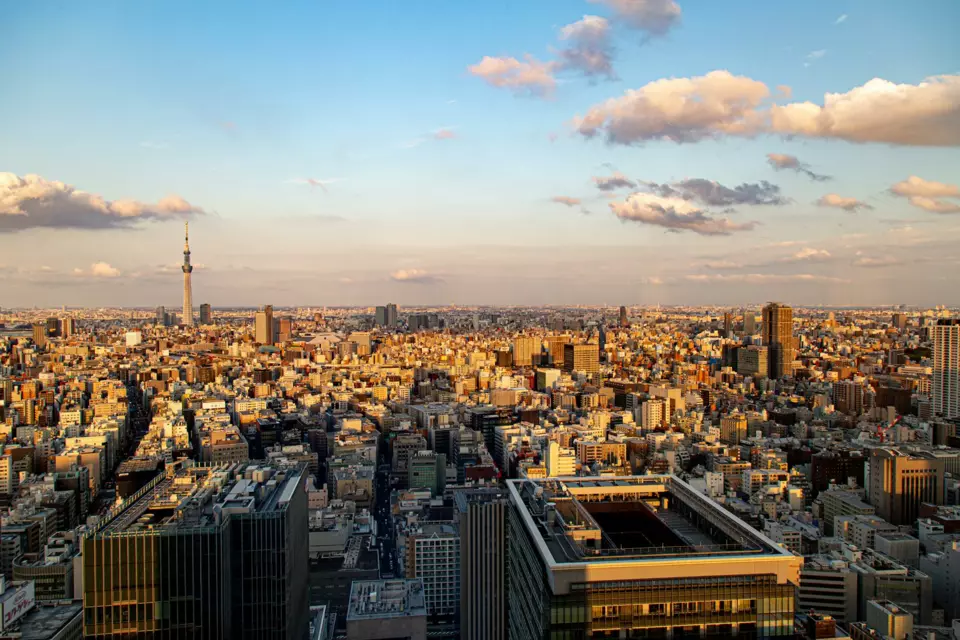
Few countries pack so many distinct charter regions into a single flag. Tokyo Bay and the Kanagawa coast offer a city-to-sea experience – board at Yokohama Bayside Marina (one of Asia’s largest, with capacity for yachts exceeding 250 feet) and within an hour you’re cruising past the forested headlands of Kamakura, the 2020 Olympic sailing venue at Enoshima, and the Imperial family’s seaside retreat at Hayama. Continue south to the Izu Peninsula and you find volcanic coastline, open-air hot springs perched above the Pacific, and the subtropical island of Izu Oshima – just 23 nautical miles offshore. The Seto Inland Sea is a world apart: 700-plus islands in sheltered, nearly tideless water, with art museums, ancient shrines and tiny fishing villages linked by short, calm passages of 10 to 35 nautical miles. And if you want tropical water, Okinawa’s Kerama Islands – a national park since 2014, with visibility regularly exceeding 30 metres and over 200 coral species – sit roughly 35 kilometres west of Naha, reachable in under 40 minutes by motor yacht.
The World’s Finest Food, Served at Every Scale
Japan holds more Michelin stars than any other country on earth. Tokyo alone claims over 200, and the coastal cities within chartering range – Yokohama, Kobe, Hiroshima, Osaka – add dozens more. But the real revelation for charter guests is what happens outside the starred restaurants. Every fishing port along the Seto Inland Sea has its own speciality: Hiroshima oysters grilled on the harbourside, Sanuki udon in Takamatsu made from locally milled wheat, octopus caught that morning on Awaji Island. In Tokyo Bay, your chef can source fish from Tsukiji’s outer market before dawn and serve it as sashimi at breakfast. On the Izu Peninsula, an evening ashore at a traditional ryokan means a multi-course kaiseki dinner beside a private hot spring, with dishes that change with the season down to the garnish. This is a destination where food alone justifies the charter.
Culture at the Water’s Edge
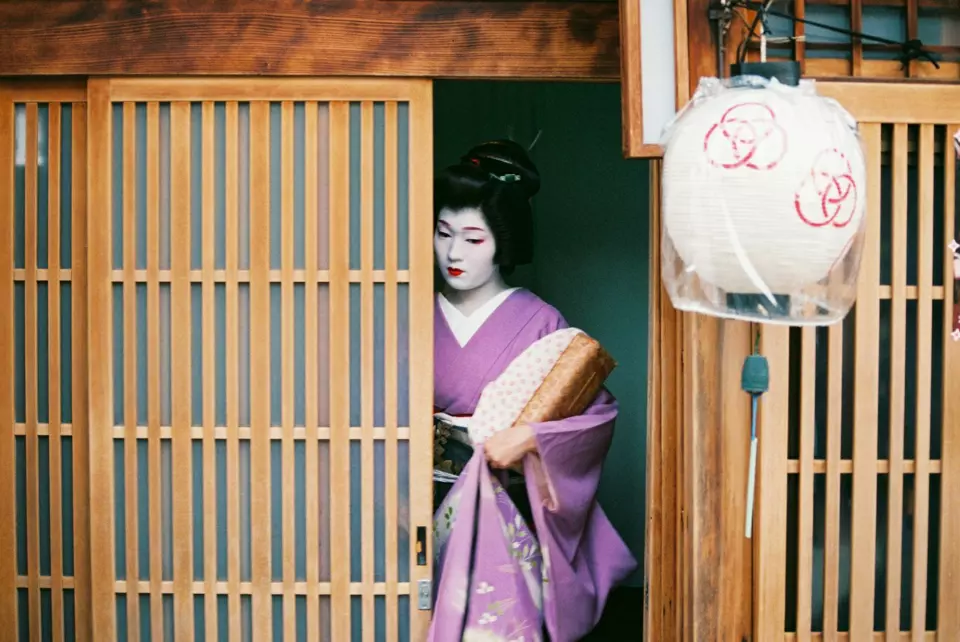
Japan’s spiritual and artistic traditions are woven into its coastline. The floating torii gate of Itsukushima Shrine on Miyajima Island – one of Japan’s most photographed landmarks – is best approached from the water, where it appears to hover above the Seto Inland Sea at high tide. Naoshima, Teshima and Inujima, the trio of ‘art islands’ developed by the Benesse Foundation, house world-class contemporary art in buildings designed by Tadao Ando and SANAA, reachable only by boat. The Oyamazumi Shrine on Omishima – known as the ‘Island of the Gods’ – holds the largest collection of samurai armour in the country. And throughout coastal Japan, Shinto shrines and Buddhist temples sit on headlands, islands and harbour walls, their vermilion gates framing views of open water. For guests who value depth alongside beauty, Japan delivers experiences that a beach-club itinerary simply cannot match.
Privacy, Safety and Unmatched Service
Japan is consistently ranked among the safest countries in the world, and its culture of discretion and respect for personal space makes it ideal for high-profile guests. Unlike the Mediterranean in August, you will not find paparazzi drones above your anchorage or jet skis buzzing your swim platform. Many of the best anchorages in the Seto Inland Sea and along the Izu coast are genuinely secluded – your yacht may be the only vessel in sight. Japanese service standards, from marina staff to restaurant hosts, are famously attentive and anticipatory. Combined with a fully crewed yacht, the result is a level of hospitality that even seasoned charter guests find remarkable.
Emerging Infrastructure, Exceptional Value
Japan’s charter market is still maturing, which means availability is strong and pricing can be more competitive than equivalent Mediterranean or Caribbean itineraries. Superyacht Base Kobe Marina brings Asia-Pacific’s largest superyacht facility to the doorstep of the Seto Inland Sea, with 400-volt shore power, customs clearance and full provisioning services. Yokohama Bayside Marina, just 30 minutes from Haneda Airport, handles vessels over 250 feet and offers direct access to Tokyo Bay. The Naikosen cruising permit eliminates the bureaucratic friction that once made multi-port Japanese itineraries impractical. For charter guests looking for a destination that feels genuinely new – not a retread of Ibiza or St Barts with different scenery – Japan is the most compelling option in the world right now.
Top Destinations in Japan
-
Tokyo Bay and the Kanagawa Coast – Japan’s gateway charter region. Board at Yokohama Bayside Marina and cruise the western shore of Tokyo Bay past the Rainbow Bridge and Odaiba, then south along the Shonan coast to Kamakura (home to the Great Buddha, cast in 1252 and standing 13.35 metres tall), the Olympic sailing waters of Enoshima, and the elegant seaside town of Hayama – site of the Imperial Villa and one of the most exclusive anchorages in Japan. The Izu Peninsula lies beyond, with volcanic coastline, onsen resort towns like Atami and Ito, and the subtropical island of Izu Oshima 23 nautical miles offshore.
-
Seto Inland Sea – A sheltered waterway stretching 400 kilometres between Honshu, Shikoku and Kyushu, studded with over 700 islands. The cruising is calm, the passages are short (10–35 nautical miles between ports), and the highlights include the contemporary art islands of Naoshima, Teshima and Inujima; the floating torii gate of Itsukushima Shrine on Miyajima; the samurai-armour collection at Oyamazumi Shrine on Omishima; and the whirlpools of the Naruto Strait. Superyacht Base Kobe Marina sits at its western entrance, making this the natural starting point for extended Japanese itineraries.
-
Okinawa and the Kerama Islands – Japan’s tropical south, roughly 1,600 kilometres from Tokyo. The Kerama Islands – Zamami, Tokashiki, Aka and Geruma – form a national park with over 200 coral species, resident sea turtles, manta rays and visibility that regularly exceeds 30 metres. The main island offers Shuri Castle (a UNESCO World Heritage Site) and Naminoue Shrine, perched on cliffs above the East China Sea. Water temperatures sit between 20°C and 28°C year-round, making Okinawa Japan’s only genuine all-season charter destination.
-
Izu Peninsula – A volcanic peninsula roughly 50–60 nautical miles south-west of Yokohama, known for dramatic coastal scenery, hot-spring resorts and superb seafood. Atami and Ito are established onsen towns with ryokan that serve kaiseki dinners overlooking the Pacific. The southern tip at Cape Irozaki and the sea caves of Dogashima offer some of the most striking geology on Japan’s Pacific coast. An excellent extension to a Tokyo Bay charter – two or three extra days opens up an entirely different seascape.
Best Time to Charter a Yacht in Japan
Peak Season: October and November
Autumn is Japan’s golden window for chartering. Typhoon season has largely passed, air temperatures run a comfortable 15–25°C (59–77°F), and the sea retains its late-summer warmth at 18–24°C. Skies are reliably clear, visibility is excellent, and Japan’s famous autumn foliage – crimson maples, golden ginkgos – turns the coastal hillsides into a palette that rivals New England. Anchorages are uncrowded, seafood harvests are at their peak (the saying in Japanese cuisine is ‘autumn appetite’, shokuyoku no aki), and the light has a soft, honeyed quality that makes every photograph look retouched. For Seto Inland Sea and Tokyo Bay itineraries, October and November are the months insiders recommend.
Spring Season: March to May
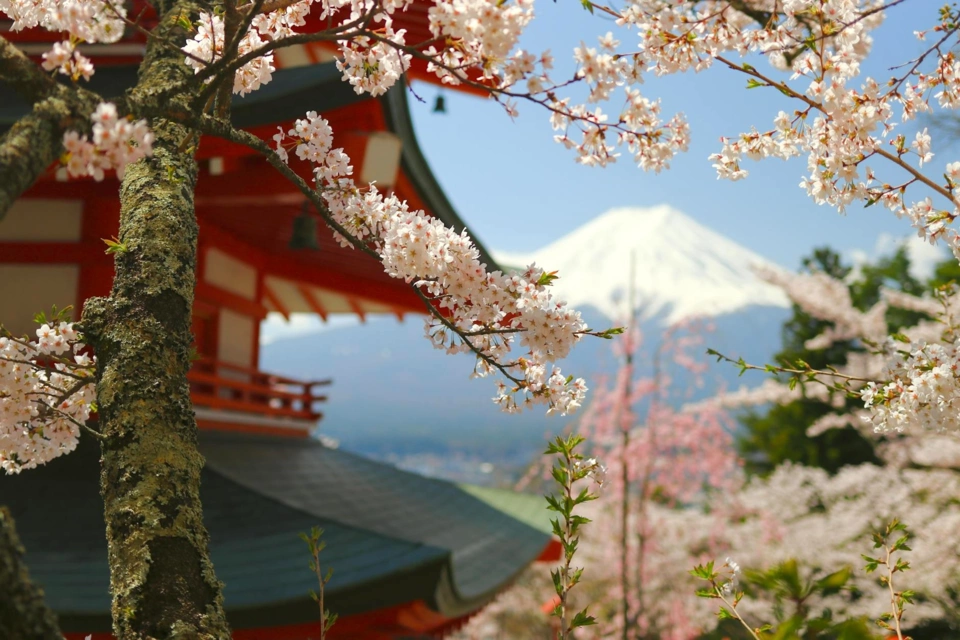
Cherry blossom season (late March to mid-April) is Japan’s most celebrated natural event, and experiencing it from the water adds a dimension that land-based visitors miss entirely. Coastal temples, castle grounds and harbour promenades are fringed with pale-pink blossoms, and your crew can time shore excursions to catch the blooms at their peak. Air temperatures climb from around 10°C in early March to 20–25°C by May, pleasant for on-deck dining and cultural exploration even if the water is still cool for extended swimming. May is particularly good – warm, settled weather, minimal rainfall, and far fewer tourists than the autumn peak.
Summer: June to August
Summer brings the warmest water temperatures (25–28°C in Tokyo Bay, higher in Okinawa) and the longest daylight hours, but it also brings Japan’s typhoon season. June is dominated by tsuyu, the rainy season, with persistent overcast skies and humidity. July and August are hot (28–33°C) and can deliver spectacular conditions between weather systems, but the risk of a typhoon disrupting your itinerary is real – two to three typically make landfall between July and September. Okinawa’s Kerama Islands are the exception: their southern latitude means typhoon risk peaks earlier (June–July) and conditions often clear by late August. If summer is your only option, Okinawa is the safest bet for warm-water chartering.
Winter: December to February
Inner Tokyo Bay remains calm and sheltered through winter, and the Seto Inland Sea benefits from its enclosed geography, but air temperatures drop to 5–15°C and water temperatures fall to 10–14°C on the main islands. Not ideal for extended cruising, though a short day charter from Yokohama in crisp winter sunshine – with Mount Fuji’s snow-capped peak clearly visible across Sagami Bay – has a beauty all its own. Okinawa remains swimmable year-round, with winter water temperatures around 20–22°C.
Signature Experiences
-
Sunrise Over Mount Fuji from Sagami Bay – Anchor off the Shonan coast near Hayama and watch dawn light paint Japan’s 3,776-metre sacred mountain in shades of rose and gold. On a clear autumn morning, the symmetrical volcanic cone floats above a low band of mist with the Pacific stretching to the horizon. Your crew has coffee and warm miso soup waiting on the aft deck.
-
Naoshima Art Island by Tender – Step ashore on this tiny Seto Inland Sea island to find Tadao Ando’s concrete museums set into the hillside, Yayoi Kusama’s yellow polka-dot pumpkin sculpture on the jetty, and James Turrell’s Open Sky installation that frames the heavens through a cut in the ceiling. Art, architecture and landscape merge in a way you won’t find anywhere else on earth. Your yacht anchors in the harbour while you spend a half-day exploring on foot.
-
The Floating Torii at Itsukushima Shrine – Approach Miyajima Island by yacht and the 16.6-metre vermilion torii gate appears to stand on the water itself, its reflection shimmering in the Seto Inland Sea. At high tide, the gate is surrounded by water; at low tide, you can walk across the sand to its base. This is one of Japan’s ‘Three Views’ and a UNESCO World Heritage Site, best experienced from the sea before the day-trip crowds arrive.
-
Snorkelling with Sea Turtles in the Kerama Islands – The Kerama National Park, designated in 2014, protects some of the most biodiverse coral reefs in the north-west Pacific. Visibility regularly exceeds 30 metres, and green and hawksbill turtles are so abundant around Zamami Island that encounters are virtually guaranteed. Your crew sets up a snorkelling station off the swim platform while you drift over coral gardens alive with parrotfish, butterflyfish and the occasional manta ray.
-
Private Onsen Evening on the Izu Peninsula – Your crew arranges a private rotenburo (outdoor hot spring) at a clifftop ryokan in Atami or Ito, where you soak in mineral-rich volcanic water overlooking the moonlit Pacific. Follow with a multi-course kaiseki dinner – perhaps Izu lobster sashimi, grilled kinmedai (golden-eye snapper), seasonal vegetables in dashi broth, and local Shizuoka green tea – served in a private tatami room.
-
Tsukiji Outer Market at Dawn – Before your charter day begins, your chef accompanies you through the narrow lanes of Tokyo’s legendary outer market, selecting the freshest tuna, uni (sea urchin), and seasonal fish that will become your lunch and dinner aboard. Tamagoyaki (Japanese omelette) hot from the griddle and a cup of matcha from a 50-year-old stall make the perfect breakfast as the market comes alive.
-
Kamakura’s Great Buddha from the Sea – Cruise the Shonan coast to the ancient capital of Kamakura, where the Kōtoku-in temple houses a 13.35-metre bronze Buddha cast in 1252. Your tender brings you ashore at nearby Yuigahama Beach, and a short walk through quiet lanes leads to one of Japan’s most serene cultural sites. Return to the yacht for lunch anchored off the coast, with the forested hills of Kamakura as your backdrop.
-
Hiroshima Oysters on the Harbour Wall – The Seto Inland Sea around Hiroshima produces roughly 60% of Japan’s oysters. Pull into a small harbour near Miyajima and your crew sources a fresh batch from a local farmer – grilled over charcoal with a squeeze of lemon, or served raw with ponzu and grated daikon. Paired with a cold Asahi or a glass of sake from Hiroshima’s Saijō district (one of Japan’s three great sake-brewing centres), this is about as Japanese as a yacht lunch gets.
Yacht Types Available
-
Motor Yachts (78’–99’) – The ideal choice for Tokyo Bay and Seto Inland Sea charters. These crewed vessels typically accommodate 6–10 guests in 3–4 en-suite cabins, with a crew of 3–5 (captain, chef, steward/ess and deckhand). Cruising speeds of 18–28 knots make short island hops swift – Yokohama to Enoshima in well under an hour, Kobe to Naoshima in a comfortable half-day. Modern flybridge motor yachts carry a full complement of water toys (jet ski, seabobs, paddleboards, snorkelling gear) and offer flexible itineraries across multiple regions. Weekly rates typically start from around $35,000–$55,000 depending on season, yacht and inclusions.
-
Superyachts (100’+) – For larger groups or those seeking the ultimate in space, privacy and spectacle. Accommodation for 8–12 guests in lavish staterooms, crews of 6–15+, expansive deck areas (often with jacuzzis, outdoor cinemas and sun lounges), and a full arsenal of water toys from jet skis to diving compressors. Superyacht charters in Japan typically run on MYBA terms (base rate plus an Advance Provisioning Allowance of 30–35% to cover fuel, food, beverages and dockage). Superyacht Base Kobe Marina and Yokohama Bayside Marina both accommodate vessels exceeding 250 feet. Weekly rates for 100’–130’ superyachts start from roughly $90,000–$175,000; the largest mega yachts command $250,000+ per week. Crew gratuity is customarily 10–15% of the charter fee.
-
Luxury Catamarans (55’+) – Premium power catamarans from builders like Sunreef and Lagoon offer exceptional stability, generous deck space and a shallow draft ideal for nosing into the Seto Inland Sea’s tightest harbours and Okinawa’s coral shallows. Catamarans in this range typically sleep 6–10 guests in spacious cabins and carry a crew of 3–4. Their twin-hull design virtually eliminates rolling, making them the most comfortable option for guests prone to seasickness and for families with young children. Weekly rates start from approximately $35,000–$50,000 depending on season, rising for larger or newer models. Most operate all-inclusive.
Navigating Japan’s Charter Regulations
Japan’s maritime regulations have evolved significantly in recent years to welcome international yachts. The key document for charter guests to understand is the Naikosen permit – a cruising permit obtainable at your first port of entry that effectively registers the yacht as a domestic Japanese vessel for the duration of the voyage. With this permit in hand, your captain can move freely between ports without separate customs clearance at each stop, making multi-day itineraries practical and seamless. Only around 5% of Japan’s 3,000 ports are officially open to foreign vessels, but the Naikosen permit expands your options dramatically.
Visas are straightforward for most Western passport holders – a 90-day short-stay visa is granted on arrival. Your Boatcrowd charter specialist and the onboard crew handle all maritime paperwork, port notifications and provisioning logistics, so the regulatory side is invisible to guests. Superyacht Base Kobe Marina and Yokohama’s Osanbashi Terminal both offer immigration and customs clearance on site, ensuring a smooth transition from runway to yacht.
Frequently Asked Questions
How much does a yacht charter in Japan cost?
Charter pricing depends on yacht size, type, season and inclusions. As a broad guide, crewed motor yachts in the 78’–99’ range start from around $35,000–$55,000 per week, often on an all-inclusive basis. Superyachts (100’–130’) typically start from $90,000–$175,000 per week on MYBA terms – the base rate plus an Advance Provisioning Allowance (usually 30–35%) covering fuel, food, drinks and dockage. The largest mega yachts can reach $250,000–$500,000+ per week. Luxury catamarans (55’–80’) start from roughly $35,000–$50,000 per week all-inclusive. Autumn rates (October–November) represent peak demand; spring (March–May) offers excellent conditions at softer pricing. Crew gratuity is customarily 10–15%. Enquire with Boatcrowd for a personalised quote based on your dates, group size and preferences.
Are luxury catamarans available for charter in Japan?
Yes. Boatcrowd’s Japan fleet includes premium power catamarans and the latest crewed models from builders like Sunreef and Lagoon in the 55’–80’ range. These vessels are ideal for the Seto Inland Sea thanks to their shallow draft (allowing access to tight harbours and coral shallows that deeper-keeled yachts cannot reach), exceptional stability, and generous living space. Most luxury catamarans come fully crewed with a captain, chef and steward/ess, and operate on an all-inclusive basis. They are particularly popular with families and multi-generational groups who appreciate the extra beam, the absence of rolling, and the easy swim-platform access that makes life aboard relaxed for every generation.
Can I charter a yacht in Japan for a film or TV production?
Japan’s coastline offers extraordinary production value – from the neon-lit waterfront of Tokyo Bay and the cinematic Seto Inland Sea to the tropical clarity of Okinawa’s coral reefs. International productions have increasingly used Japan as a filming location, drawn by the dramatic landscapes, reliable autumn light and world-class logistics infrastructure. Boatcrowd can arrange production-friendly charters with yachts that accommodate camera crews, lighting rigs and talent. Our team coordinates with local port authorities for filming permits, drone permissions and logistical support. With 15 hours of summer daylight and some of the most photogenic coastline in Asia, Japan is a production team’s dream.
Is Japan a good destination for a proposal, honeymoon or milestone birthday?
Japan may be the most romantic charter destination in Asia, and a crewed yacht takes celebrations to another level entirely. Your crew can orchestrate every detail – from a sunset proposal anchored off Miyajima with the floating torii gate as your backdrop (complete with champagne and a photographer arriving by tender) to a honeymoon itinerary with private onsen evenings, kaiseki dinners in cliff-top ryokan and cherry-blossom excursions timed to the bloom. Milestone birthdays and anniversaries are equally well catered for: a Michelin omakase experience in Yokohama for a 40th, a private art-island tour of Naoshima for a golden wedding, a sunset dinner on deck in the Kerama Islands for a 50th. Let Boatcrowd know the occasion when you enquire and we’ll ensure every moment is unforgettable.
Can I bring the whole family, including grandparents and young children?
Multi-generational family charters are one of the most rewarding ways to experience Japan. Yachts and catamarans are available in configurations that sleep 8–12+ guests, with flexible cabin layouts to suit grandparents, parents and children. Crews are experienced with guests of all ages: children get snorkelling instruction in the warm shallows of the Kerama Islands or Seto Inland Sea, treasure hunts through island art installations, and kid-friendly menus that introduce them to Japanese cuisine gently. Grandparents appreciate calm anchorages, private onsen excursions and attentive service. The Seto Inland Sea’s sheltered waters and short passages are among the safest and most family-friendly cruising grounds in Asia. Catamarans are especially popular for families – the stability, wide beam and easy swim-platform access make life aboard relaxed for every generation.
Can I combine multiple regions in one charter?
Yes, and it’s one of the great advantages of chartering in Japan. A popular ten-day route starts in Tokyo Bay, cruises the Kanagawa coast to the Izu Peninsula, then repositions to Kobe (a short domestic flight or Shinkansen transfer) for a week in the Seto Inland Sea. For a tropical add-on, fly from Kobe or Osaka to Naha and spend three to four days in the Kerama Islands. Distances within each region are manageable – the Seto Inland Sea’s passages are 10–35 nautical miles, and Tokyo Bay to Enoshima is barely 20 nautical miles. Your Boatcrowd charter specialist will design a multi-region route that maximises variety without wasting time on long crossings, and can arrange domestic transfers between charter legs.
What is the best way to reach my yacht in Japan?
For Tokyo Bay charters, Haneda Airport (HND) is the preferred gateway – it’s just 30 minutes by private transfer to Yokohama Bayside Marina. Narita Airport (NRT) is an alternative, roughly 80 minutes to Yokohama depending on traffic. For Seto Inland Sea itineraries departing from Kobe, Kansai International Airport (KIX) or Kobe Airport (UKB) offer convenient access – Kobe Airport is just 20 minutes from Superyacht Base Kobe Marina. Okinawa charters depart from Naha, served by Naha Airport (OKA) with direct flights from Tokyo, Osaka and major Asian hubs. All major Japanese airports handle private jets, and your Boatcrowd team arranges door-to-yacht transfers so the journey from runway to champagne toast is as smooth as possible.
Ready to plan your Japan charter?
Tell us your dates and party size – we'll match you with the right yacht and crew.
45–60 min by road to Bayside Marina Yokohama
Every yacht is chartered fully crewed with a professional captain and crew, so no licence or sailing experience is required — you simply step aboard.
Best time to charter Japan
Local knowledgeThe Seto Inland Sea threads between art islands and thousand-year shrines – spring blossom and autumn light are the insider seasons.
