 Skip to content

 EN
EN  Deutsch
  Français
  Español
  Italiano
  日本語
日本語  Português


Grenada · In this guide
Grenada Guide: Luxury Yacht Charter in Grenada
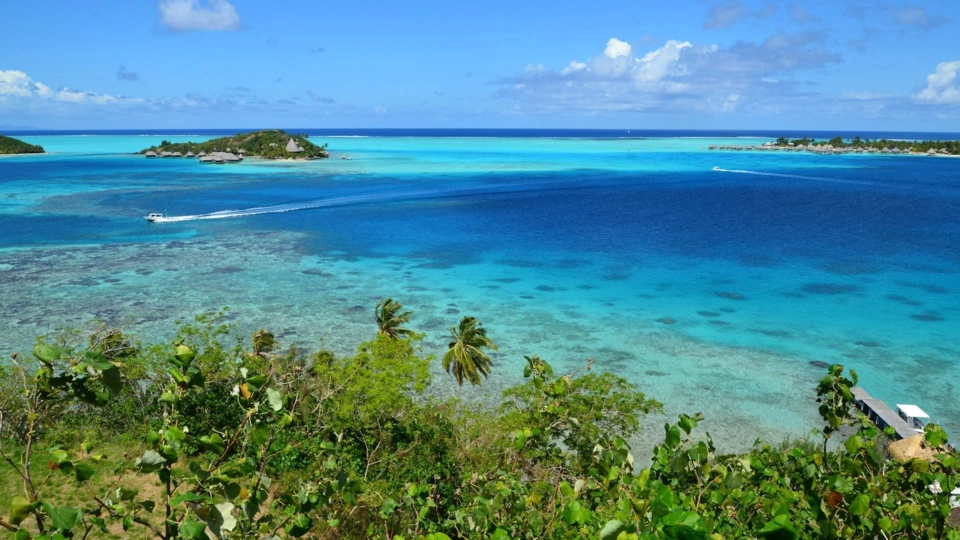
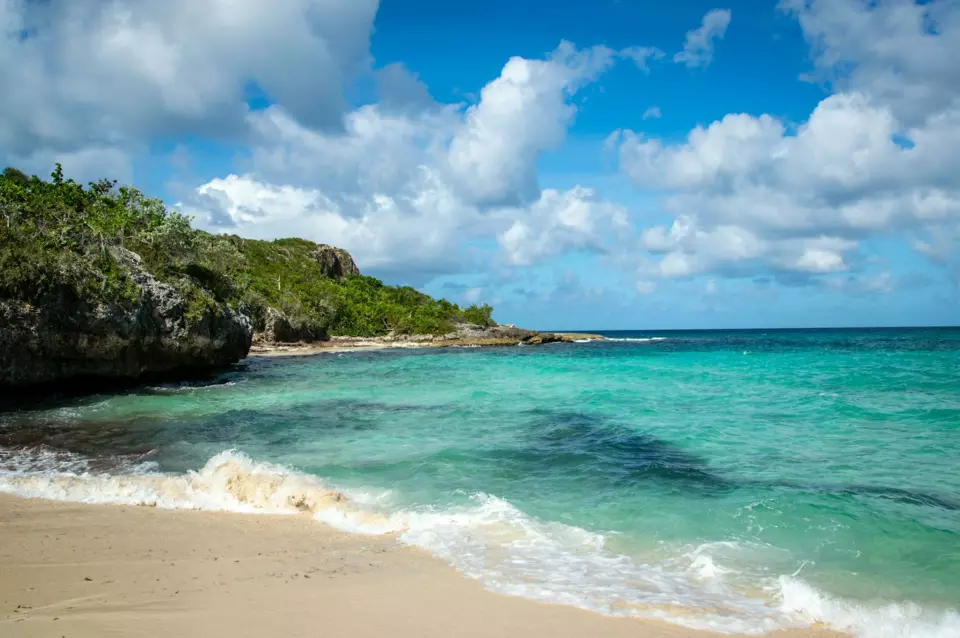

Grenada is the Caribbean’s best-kept secret. This 344-square-kilometre volcanic island, the southernmost of the Windward Islands, sitting just 100 miles north of Trinidad, is known as the Spice Island for good reason: the air carries the scent of nutmeg, cinnamon and cocoa from the plantations that cover the mountainous interior, and the island produces roughly 20% of the world’s nutmeg crop. But Grenada is far more than spices. St George’s, the capital, is widely considered the most picturesque port in the Caribbean: a horseshoe-shaped harbour lined with pastel-painted Georgian warehouses, red-tiled roofs climbing the volcanic hillside and the 18th-century Fort George commanding views across the bay. Grand Anse Beach, 2 miles of creamy white sand on the south-west coast, is consistently ranked among the finest beaches in the world. And beneath the surface, Molinière Bay’s Underwater Sculpture Park, 75 life-sized human figures by the British artist Jason deCaires Taylor, submerged at 5 to 9 metres and slowly being colonised by coral, is one of the most extraordinary dive and snorkel sites anywhere.
Grenada is a tri-island state, and the sister islands of Carriacou and Petite Martinique, lying 20 nautical miles to the north-east, add an island-hopping dimension that transforms a Grenada charter from a single-island experience into a multi-destination voyage. Carriacou (34 square kilometres) has a proud boat-building heritage, the exquisite white-sand cay of Sandy Island and Tyrrel Bay, one of the most sheltered natural harbours in the Eastern Caribbean. Petite Martinique, the smallest inhabited island in the chain, adds an off-the-beaten-track authenticity that few Caribbean destinations can match. Together, the three islands offer a cruising ground of remarkable variety within a compact area.
Grenada’s sheltered west coast and the calm passages to Carriacou make this an ideal catamaran destination. The stable platform, spacious decks and shallow draft of a luxury catamaran suit Grenada’s diverse anchorages perfectly, from the deep harbour of St George’s to the sandy shallows of Sandy Island. Whether you’re planning a dedicated Grenada and Carriacou charter or using the island as a starting point for a voyage north through the Grenadines, this guide covers the cruising ground, the seasons, the experiences and the yachts best suited to these waters. Start planning your Grenada charter with Boatcrowd and let our team match you to the perfect vessel and itinerary.
Ready to plan your Grenada charter?
Tell us your dates and party size, we'll match you with the right yacht and crew.
Why Charter a Yacht in Grenada
The Spice Island: Nutmeg, Cocoa and Caribbean Soul
Grenada’s volcanic soil and tropical rainfall create perfect conditions for spice cultivation, and the island’s plantations produce nutmeg, mace, cinnamon, cloves, ginger and vanilla in quantities that have earned it the title “Spice Island of the Caribbean”. A guided tour of a working spice estate is an essential charter experience, walking through the fragrant groves, learning the harvesting and processing techniques, and sampling freshly grated nutmeg in everything from ice cream to rum punch. The cocoa heritage is equally compelling: Belmont Estate, a 300-year-old working plantation, offers guided tours of the organic bean-to-bar chocolate production process, from fermentation to tempering, with tastings of single-origin chocolate that rivals anything from Europe.
The Underwater Sculpture Park
Molinière Bay’s Underwater Sculpture Park is one of the most remarkable art installations on earth. Created by the British sculptor Jason deCaires Taylor and installed in 2006, the park comprises over 75 life-sized human figures, including the haunting ring of children titled Vicissitudes and The Lost Correspondent, a man sitting at a desk with a typewriter, submerged at 5 to 9 metres on the sea floor. Over two decades, the sculptures have become artificial reefs, colonised by brain coral, sea fans, sponges and tropical fish. Snorkelling or diving among the figures, half-human, half-coral, surrounded by parrotfish and sergeant majors, is an experience that defies description. National Geographic named it one of the 25 Wonders of the World.
St George’s: The Caribbean’s Most Picturesque Port
Arriving by yacht into St George’s harbour is one of the great experiences of Caribbean cruising. The Carenage, the inner harbour, named for the careening of ships in centuries past, is lined with Georgian warehouses painted in terracotta, ochre and cream, their red-tiled roofs climbing the volcanic hillside behind. Fort George, built between 1706 and 1710, commands the harbour entrance with panoramic views. The Saturday morning market overflows with spices, tropical fruit and fresh fish. Port Louis Marina, operated by Camper & Nicholsons, offers 300 berths including superyacht facilities for vessels up to 90 metres, one of the finest marina facilities in the Eastern Caribbean.
Carriacou and the Southern Grenadines
Grenada’s sister island of Carriacou lies just 20 nautical miles north-east, a comfortable 2 to 3 hour catamaran passage. The island has a proud boat-building tradition (hand-built wooden sloops are still launched from the beaches), the exquisite Sandy Island, a white-sand cay with marine-park snorkelling in turquoise water, and Tyrrel Bay, one of the most sheltered anchorages in the Eastern Caribbean. For charter guests, Carriacou adds an island-hopping dimension that transforms a Grenada charter into a multi-destination voyage, and from Carriacou, the southern Grenadines (Union Island, Tobago Cays) are just a short passage further north.
Top Destinations Near Grenada
- St George’s and the Carenage, The most picturesque capital in the Caribbean. The horseshoe-shaped inner harbour is lined with pastel Georgian warehouses, and Fort George (1706 to 1710) commands panoramic views from the hilltop. Port Louis Marina offers 300 berths for yachts up to 90 metres, with full superyacht facilities. Explore the Saturday market, sample nutmeg ice cream at the Carenage and dine at waterfront restaurants serving Grenadian Creole cuisine. The Carenage is the natural starting and ending point for any Grenada charter.
- Grand Anse Beach, Two miles of creamy white sand on Grenada’s south-west coast, consistently rated among the finest beaches in the world. The water is calm, turquoise and ideal for swimming, and the beach is backed by a low ridge of sea grape and palm trees with a handful of beach bars and restaurants. Anchor offshore in 4 to 6 metres and dinghy to the sand for a beach day that needs no embellishment. Sunset over Grand Anse, viewed from the aft deck with a rum punch in hand, is a defining Grenada moment.
- Molinière Bay (Underwater Sculpture Park), A marine protected area on the west coast, home to Jason deCaires Taylor’s extraordinary underwater sculptures, over 75 life-sized figures at 5 to 9 metres depth, colonised by coral and surrounded by tropical fish. Mooring buoys are mandatory (approximately $10 USD per day). The sculptures are accessible to snorkellers and divers alike, and the experience ranks among the most unique in Caribbean waters.
- Hog Island, A secluded, undeveloped island in the south-west, accessible only by boat. Pristine white-sand beach, calm turquoise water, mangrove-fringed shoreline and a sense of total seclusion. Anchor in the calm channel between Hog Island and the mainland, dinghy to the beach and have the whole island to yourself. No facilities, no other visitors on a quiet morning, just the Caribbean at its most elemental.
- Carriacou (Tyrrel Bay and Sandy Island), Grenada’s sister island, 20 nautical miles north-east. Tyrrel Bay is one of the most sheltered natural anchorages in the Eastern Caribbean, a wide, deep bay with excellent holding over sand. Sandy Island, a white-sand cay off the west coast, offers marine-park snorkelling in turquoise water. Carriacou Marine in Tyrrel Bay provides customs and immigration, a 40-tonne travel lift and basic provisioning. The island’s boat-building heritage, rum shops and unhurried pace make it a world apart from mainland Grenada.
- Levera Beach and National Park, On Grenada’s wild north-east coast, Levera Beach is a nesting site for critically endangered leatherback sea turtles from March to June. Supervised night tours allow visitors to watch the massive females (up to 500 kg) haul themselves up the beach to lay their eggs. The beach is backed by mangroves and offers views to Sugar Loaf Island offshore. Not directly accessible by yacht (the Atlantic coast is exposed), but a memorable shore excursion from any west-coast anchorage.
- Magazine Beach, A golden-sand beach on Grenada’s south-west tip, with a lively coral reef ideal for snorkelling just offshore. The beach has a family-friendly atmosphere, with gentle waves, shady picnic spots and weekend barbecues. Anchor offshore and dinghy to the sand for a relaxed beach day that feels a world away from the nearby airport.
Best Time to Charter a Yacht in Grenada
Peak Season: December to May
The Caribbean dry season delivers the best conditions for Grenada and Carriacou cruising: warm temperatures of 27 to 31°C, north-east trade winds of 12 to 20 knots, low humidity and minimal rainfall. Water temperatures sit at 27 to 28°C with excellent underwater visibility. This is the most popular charter period, and the best catamarans book 4 to 6 months in advance for the Christmas and New Year peak. The Grenada Chocolate Festival (late May) adds foodie interest to the tail end of the season.
Shoulder Season: June and November
June marks the transition to the wetter season, but conditions remain warm and largely pleasant, with brief tropical showers that enhance the island’s lush green beauty. November brings settled weather at the tail end of hurricane season. Grenada’s southerly position (12°N) places it at the very bottom of the hurricane belt, and direct hits are rare, making the shoulder months a particularly good option.
Hurricane Season: July to October
The official hurricane season runs from 1 June to 30 November, with peak risk in August and September. Grenada’s southerly latitude means it is less frequently affected than islands further north, and the island’s sheltered south-coast bays (Prickly Bay, Clarkes Court Bay) are recognised hurricane anchorages. Spicemas Carnival (late July/early August), Grenada’s biggest cultural celebration, with elaborate Jab Jab costumes, soca music and street parades, falls in this period and draws visitors from across the Caribbean.
Signature Experiences
- Snorkelling the Underwater Sculpture Park, Anchor in Molinière Bay and slip into the water for one of the most extraordinary snorkelling experiences in the world. Over 75 life-sized human sculptures at 5 to 9 metres depth, gradually being colonised by coral, sea fans and sponges. Schools of parrotfish, sergeant majors and angelfish weave between the figures. The ring of children (Vicissitudes) is particularly moving, a haunting circle of hand-holding figures, half-human, half-reef. Allow 1 to 2 hours in the water.
- Sunset at Grand Anse Beach, Anchor off the most beautiful beach in Grenada and watch the sun descend behind the headland, turning the 2-mile sweep of white sand and turquoise water gold, then amber, then violet. Your chef serves rum punch and fresh seafood on the aft deck as the colours intensify. No filter required.
- Belmont Estate Chocolate Tour, Visit this 300-year-old working plantation in the hills above Grenville for a guided tour of the organic bean-to-bar chocolate process. Walk through the cocoa groves, watch the fermenting, drying and roasting stages, and taste single-origin chocolate that rivals European artisan producers. The estate also serves an outstanding Creole lunch in its garden restaurant. Allow half a day; accessible by taxi from any west-coast anchorage.
- River Antoine Rum Distillery, The oldest water-powered rum distillery in the Caribbean, operating continuously since 1785. The distillery uses the same methods, water wheel, cane crusher, copper pot stills, that it has employed since the 18th century, producing an overproof rum of remarkable character. A tour here is a journey back in time, and the tasting of Rivers Royale, an intense, aromatic rum bottled at 69% ABV, is not for the faint-hearted.
- Sandy Island Beach Day, Cruise from Carriacou’s Tyrrel Bay to this exquisite white-sand cay surrounded by marine-park-protected reef. Anchor in turquoise water, dinghy to the sand and spend the day snorkelling, sunbathing and floating in water so clear the starfish on the bottom seem close enough to touch. A beach barbecue arranged by your crew completes the experience.
- Spice Plantation Tour, Grenada produces nutmeg, mace, cinnamon, cloves, ginger, vanilla and cocoa on plantations that cover the mountainous interior. A guided tour walks you through the fragrant groves, explains the harvesting and processing of each spice, and ends with a tasting of nutmeg syrup, spice-infused rum punch and fresh cocoa tea. Laura’s Herb and Spice Garden and the Gouyave nutmeg processing station are the most popular options.
Yacht Types Available
-
Luxury Catamarans (55’+), The preferred vessel for Grenada charters. The sheltered west coast, the calm passage to Carriacou and the diverse anchorages, from the deep harbour of St George’s to the sandy shallows of Sandy Island, are perfectly suited to the catamaran’s stable platform and shallow draft. Power catamarans of 55 feet and above offer spacious deck areas for al fresco dining, comfortable inter-island passages and access to anchorages that deeper-keeled vessels cannot reach.
-
Motor Yachts (55’-99’), Crewed motor yachts offer additional speed and luxury for guests planning to combine Grenada with a longer voyage north through the Grenadines (Union Island is just 35 nautical miles from Carriacou). Cruising speeds of 18 to 25 knots make the passage north a comfortable day’s cruise.
-
Superyachts (100’+), Port Louis Marina in St George’s accommodates superyachts up to 90 metres in its 300-berth facility, with full-service amenities, 24/7 security and customs clearance. The island serves as the natural southern gateway to the Grenadines for extended Eastern Caribbean voyages.
Median weekly rate $125,000. Base rate, before APA and tax.
Frequently Asked Questions
When is the best time to charter a yacht in Grenada?
December to May offers the best conditions: warm, dry weather, steady trade winds and outstanding underwater visibility. Grenada’s southerly position means it enjoys a longer dry season than many Caribbean islands. The Grenada Chocolate Festival (May) and Spicemas Carnival (August) add cultural interest.
Do I need a visa to charter in Grenada?
Citizens of the United States, United Kingdom, Canada and the European Union do not require a visa for stays of up to 90 days (180 days for UK citizens). A valid passport with at least six months’ remaining validity is required. Your yacht’s captain handles customs clearance at St George’s, Carriacou (Tyrrel Bay) or Petite Martinique.
What currency is used in Grenada?
The East Caribbean Dollar (EC$), pegged to the US Dollar at a rate of 1 USD = EC$2.70. US dollars are widely accepted across the island, at marinas, restaurants, tour operators and taxis. Credit cards are taken at most establishments, though it’s helpful to carry cash for smaller vendors, spice markets and beach bars.
What is the Underwater Sculpture Park?
The Molinière Bay Underwater Sculpture Park is a collection of over 75 life-sized human sculptures by the British artist Jason deCaires Taylor, installed on the sea floor at 5 to 9 metres depth in 2006. The sculptures serve as artificial reefs, gradually being colonised by coral, sea fans and marine life. National Geographic named it one of the 25 Wonders of the World. The park is accessible to snorkellers and divers, with mooring buoys in the marine protected area (approximately $10 USD per day).
Is Grenada suitable for a family charter?
Absolutely. Grand Anse Beach and Magazine Beach have gentle, shallow swimming conditions ideal for children. The Underwater Sculpture Park is accessible to confident young snorkellers in calm, shallow water. The chocolate tour at Belmont Estate and the spice plantation visits are engaging for all ages, and the island-hopping to Carriacou and Sandy Island provides new discoveries each day. Most charter catamarans can provide child-safe equipment and family-adapted menus on request.
How do I get to Grenada?
Maurice Bishop International Airport (GND) receives direct flights from London (British Airways, Virgin Atlantic), New York (JetBlue), Miami (American Airlines) and Toronto (Air Canada, WestJet). The airport is located on the south-west coast, approximately 15 minutes by taxi from Port Louis Marina in St George’s. Grenada also serves as the southern gateway to the Grenadines, the passage north to Union Island via Carriacou is a popular charter routing.
Why are catamarans recommended for Grenada?
Grenada’s west coast offers calm, sheltered waters ideal for catamaran cruising, and the passage to Carriacou (20 nautical miles) benefits from the catamaran’s stability in the open channel. The shallow draft (typically 1.2 to 1.8 metres) allows access to Sandy Island’s pristine anchorage and the sandy shallows of Hog Island, while the spacious deck areas are perfect for the al fresco dining that Grenada’s spice-infused cuisine demands. For guests extending north to the Grenadines, the catamaran’s fuel efficiency and comfort make it the ideal platform for multi-island voyages.
Ready to plan your Grenada charter?
Tell us your dates and party size, we'll match you with the right yacht and crew.
15 to 20 min by road to Port Louis Marina, St. George’s
Every yacht is chartered fully crewed with a professional captain and crew, so no licence or sailing experience is required, you simply step aboard.
Best time to charter Grenada
Local knowledgeThe Spice Island anchors the southern Windwards: nutmeg-scented hillsides, sheltered southern bays and a short hop to the Grenadines.
