 Skip to content

 EN
EN  Deutsch
  Français
  Español
  Italiano
  日本語
日本語  Português


Greece · In this guide
Greece Guide: Luxury Yacht Charter in Greece
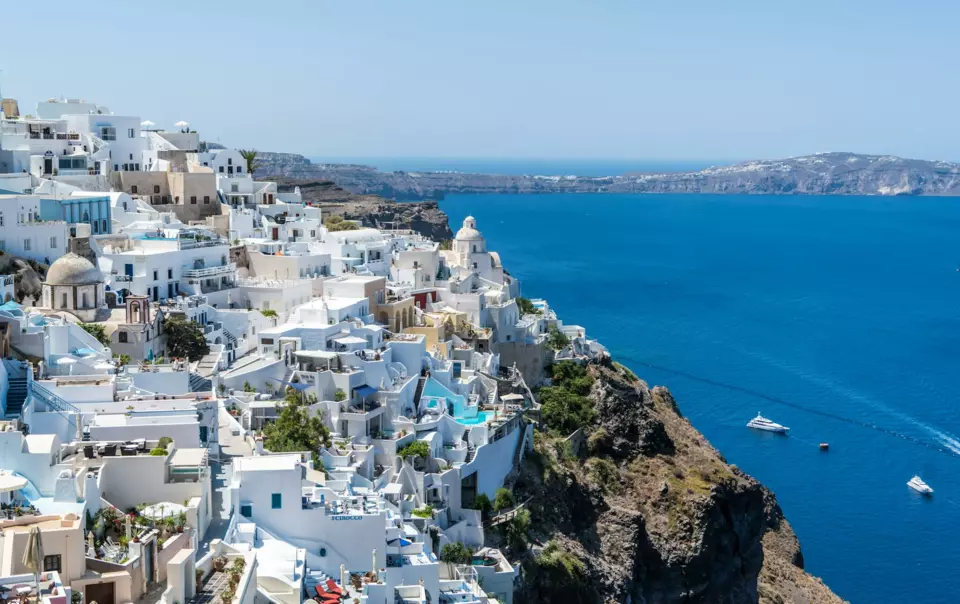
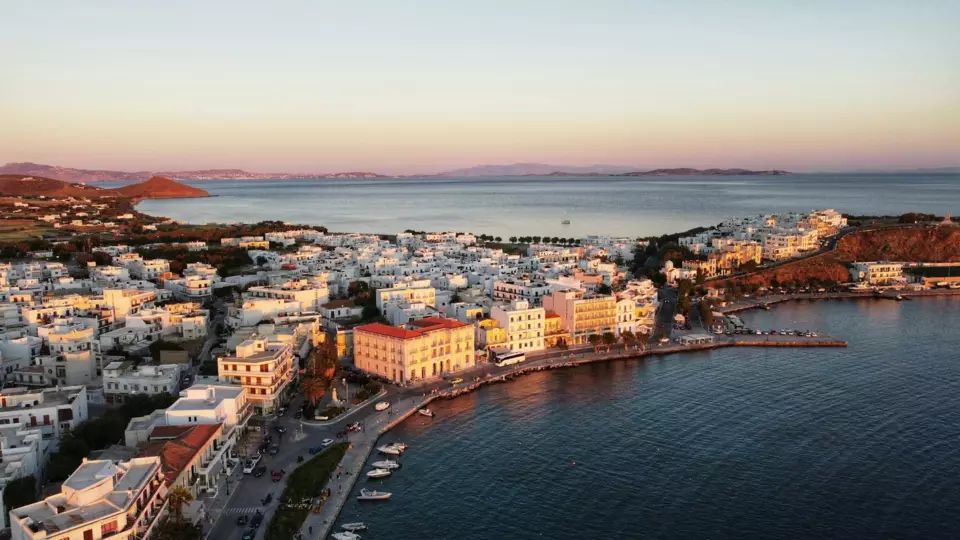
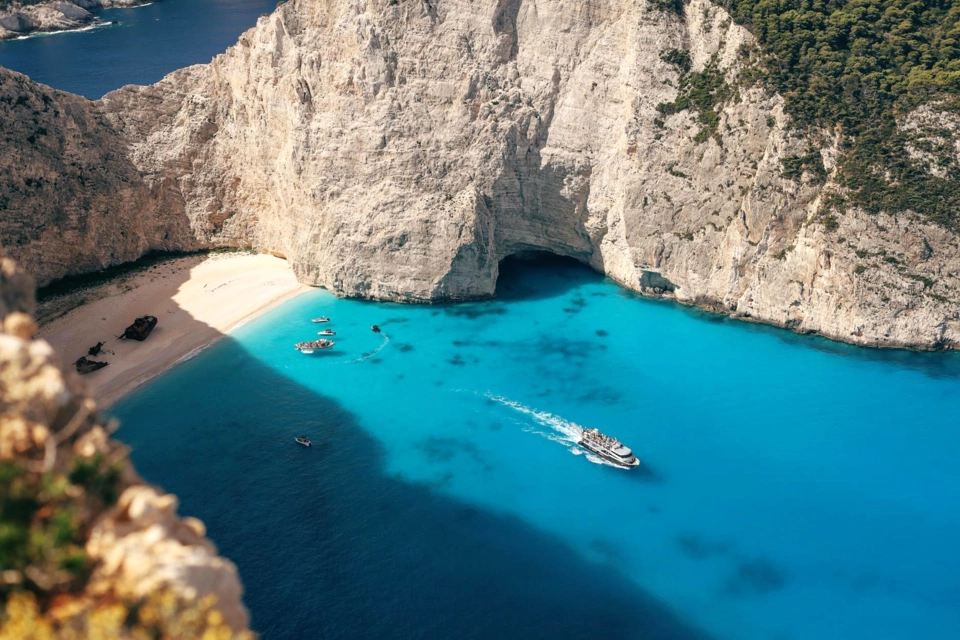
Greece is the undisputed capital of the yacht charter world. No other destination on earth offers quite the same combination: over 6,000 islands and islets scattered across two very different seas, more than 16,000 kilometres of coastline, roughly 300 days of sunshine a year, and a cultural heritage stretching back five millennia that surfaces at every anchorage – a Doric temple crowning a headland, a whitewashed chapel perched above a cobalt cove, a Venetian fortress guarding a harbour entrance. For charter guests, Greece delivers something that few Mediterranean rivals can match: genuinely compact distances between islands that feel worlds apart. One morning you are swimming in a volcanic caldera beneath the cliffs of Santorini; by afternoon your yacht is anchored off a deserted beach on Folegandros where the only sound is the bell of a hilltop monastery. The sheer variety of cruising grounds – from the Meltemi-swept Cyclades to the calm, emerald-green waters of the Ionian – means that Greece can host every kind of charter, from a three-day escape out of Athens to a fortnight-long odyssey through the Dodecanese.
What makes Greece particularly compelling for crewed luxury charters is the range within short passages. Athens to the first Cycladic islands is barely a few hours by motor yacht. Mykonos to the sacred island of Delos – a UNESCO World Heritage site and legendary birthplace of Apollo – is just 4 nautical miles, a 15-minute cruise. Santorini to the volcanic caves of Milos is roughly 60 nautical miles, an easy half-day crossing. In the Ionian, Corfu to the exquisite turquoise bays of Paxos and Antipaxos is 30 nautical miles, under two hours at cruising speed. And everywhere you turn, the water delivers: that extraordinary Aegean blue that shifts from pale aquamarine over sand to deep indigo over volcanic rock, warm enough for swimming from May through October, and so clear in places that your anchor chain looks close enough to touch from the flybridge.
Greece also holds a distinction no other country can claim: it is the world’s number-one catamaran charter destination, with nearly half of all bookings worldwide now choosing a catamaran for their Greek voyage. The combination of sheltered bays, shallow anchorages, island-hopping distances, and a fleet of the latest power and sailing catamarans from Sunreef, Lagoon, Fountaine Pajot, and Bali makes Greece the natural home for these stable, spacious vessels. Whether you’re planning a long weekend from Athens, a week through the Cyclades, or a grand Ionian island-hop, this guide covers every region in detail – seasons, distances, signature experiences, and the yachts best suited to each cruising ground. Start planning your Greece charter with Boatcrowd and let our team match you to the perfect yacht and itinerary.
Why Charter a Yacht in Greece
Six Thousand Islands, Two Distinct Seas
Greece’s archipelago is the largest in the Mediterranean. The Aegean Sea, on the eastern side, holds the Cyclades, the Dodecanese, the Sporades and the islands of the north-east Aegean – hundreds of islands characterised by stark white villages, bright blue domes, rugged volcanic coastlines and the famous Meltemi wind that keeps summer temperatures comfortable. The Ionian Sea, on the western side, shelters the seven main Ionian Islands – Corfu, Paxos, Lefkada, Kefalonia, Ithaca, Zakynthos and Kythira – where lush green hillsides tumble into calm turquoise bays and the winds are gentler and more predictable. A two-week charter could comfortably combine both seas, though most guests find that a single week in either the Cyclades or the Ionian is enough to fill every day with something extraordinary.
Compact Distances, Maximum Variety
Few charter destinations pack so many distinct personalities into such short passages. Mykonos to Paros is 24 nautical miles – roughly 90 minutes on a motor yacht at 18 knots. Paros to Naxos is just 10 nautical miles, barely 30 minutes. Santorini to Ios is 20 nautical miles. In the Ionian, Lefkada to Ithaca is 25 nautical miles, and Kefalonia to Zakynthos just 8.5 nautical miles. That means a single charter week can stitch together the cosmopolitan energy of Mykonos, the caldera drama of Santorini, the hidden caves of Milos, the foodie villages of Sifnos, and the pristine, crowd-free beaches of Koufonisia – all without a single passage longer than three or four hours.
A Cultural Depth That Rewards Every Day
Greece holds 19 UNESCO World Heritage Sites, from the Acropolis in Athens (inscribed 1987) to the sacred island of Delos (inscribed 1990), from the medieval city of Rhodes to the ancient theatre of Epidaurus with its extraordinary acoustics. These are not dusty museum pieces – they sit right on the water, or a short tender ride from your anchorage. The Portara of Naxos – the massive marble gateway of an unfinished Temple of Apollo, built around 530 BC – stands on a peninsula you can see from your yacht’s swim platform. The Lion Terrace of Delos, with its row of Archaic marble lions gazing across the sacred lake, is a 15-minute boat ride from Mykonos harbour. And then there is the food: Greece’s Mediterranean diet is recognised by UNESCO as an Intangible Cultural Heritage of Humanity, and your onboard chef will source ingredients – feta still dripping with brine, olive oil pressed that morning, fish hauled from the harbour at dawn – that make every meal an event.
The World’s Premier Catamaran Destination
Greece commands roughly a third of the global yacht charter market, and catamarans now represent nearly half of all bookings – a share that has grown from 33% in 2019 to over 47% today. The reasons are practical: catamarans draw less water, meaning they can nose into shallow bays and anchor close to beaches that deeper-keeled motor yachts cannot reach. Their twin-hull stability virtually eliminates rolling, making them the most comfortable option for families with young children or guests prone to seasickness. And the latest generation of power catamarans from Sunreef, Lagoon, Fountaine Pajot and Bali offer living space and luxury finishes that rival motor yachts twice their price. Boatcrowd’s Greek fleet includes the newest models in every size bracket, from 55-foot luxury catamarans to the flagship Sunreef 80 – and Greece offers the widest selection of premium crewed catamarans anywhere in the world.
Sunshine, Warmth and Reliable Conditions
The Greek islands bask in roughly 300 sunny days a year, with summer temperatures running 28–35°C (82–95°F) and sea temperatures climbing to 25–26°C by August. From May through October, rain is a rarity – July and August are virtually dry across the Cyclades. In the Ionian, the Maestro breeze (a gentle north-westerly of 10–20 knots) keeps conditions pleasant and predictable. In the Aegean, the Meltemi – a stronger northerly that builds in July and August, occasionally reaching 30–40 knots – provides exhilarating conditions for experienced sailors but can be easily navigated by your captain on a motor yacht or power catamaran, who will plan passages to take advantage of sheltered lees and morning calms. Athens International Airport is a major European hub with direct flights from virtually every capital city, and several islands (Mykonos, Santorini, Corfu, Kefalonia, Zakynthos) have their own airports with seasonal direct services.
Top Destinations in Greece
• The Cyclades – The poster-child archipelago of the Aegean: Mykonos with its cosmopolitan beach clubs and legendary nightlife, Santorini’s volcanic caldera and cliff-perched villages, Milos with its 75-plus beaches and the pirate-cave formations of Kleftiko, Paros and its world-class windsurfing, Naxos (the largest Cycladic island) with its Portara temple gateway and mountain villages, Sifnos for pottery and gastronomy, Folegandros for cliff-edge drama, and the tiny Koufonisia for pristine, crowd-free sand. The Cyclades are the most popular cruising ground for international charter guests.
• Athens & the Saronic Gulf – The natural starting point for any Greek charter. Board your yacht at one of Athens’ world-class marinas (Alimos, Zea, or Flisvos), cruise past the Temple of Poseidon at Cape Sounion (built 444–440 BC, perched 60 metres above the sea), and island-hop through the Saronic Gulf: car-free Hydra with its preserved captain’s mansions, elegant Spetses, pine-scented Poros, and pistachio-famous Aegina with its superbly preserved Temple of Aphaia.
• Mykonos & Delos – Mykonos is the glamour capital of the Aegean, home to Nammos and Scorpios beach clubs, Michelin-level dining at Matsuhisa and Cavo Tagoo’s Zuma, and a nightlife that draws celebrities and tastemakers from around the world. Just 4 nautical miles away, the sacred island of Delos (UNESCO World Heritage, inscribed 1990) holds one of the most important archaeological sites in the Mediterranean – the legendary birthplace of Apollo and Artemis, with excavations ongoing since 1872 that have uncovered 8,000 sculptures and 354 mosaics.
• The Ionian Islands – Greece’s western jewels: Corfu with its Venetian Old Town (UNESCO World Heritage, inscribed 2007), Paxos and Antipaxos with their astonishing turquoise bays, Lefkada’s dramatic white cliffs and Porto Katsiki beach, Kefalonia (the largest Ionian island) with its underground lake and Fiskardo’s pastel-coloured harbour, Ithaca – the legendary home of Odysseus – and Zakynthos with the National Marine Park protecting endangered loggerhead turtles. Calmer winds and warmer waters make the Ionian ideal for families and first-time charter guests.
Best Time to Charter a Yacht in Greece
Peak Season: July and August
The height of summer brings the warmest weather (30–35°C / 86–95°F), the warmest sea temperatures (25–26°C), and the liveliest atmosphere ashore – beach clubs, tavernas and open-air cinemas are all running at full capacity. It is also the busiest and most expensive period, with rates typically 15–20% above shoulder-season pricing. The Meltemi wind is at its strongest in the Cyclades during these months, occasionally gusting to 30–40 knots, which adds excitement but also requires experienced captains and thoughtful itinerary planning. Mykonos’s headline anchorages and Santorini’s caldera attract day boats by midday, and the most sought-after charter yachts book out by February. If July or August is your window, book early and lean on your Boatcrowd charter specialist to secure the best itinerary timing. Arrive at popular bays before mid-morning and they will still feel uncrowded.
Shoulder Season: May–June and September–October
For many repeat charter guests, the shoulder months are the real sweet spot. May and June deliver daytime temperatures of 22–29°C (72–84°F), warm enough for swimming and long on-deck lunches, with noticeably fewer boats at the popular anchorages. The Meltemi is milder or absent in May and June, making the Cyclades more comfortable for all vessel types. September and early October stay warm (23–28°C), the sea retains its summer warmth at 23–25°C, and charter rates are softer. The light takes on that golden, low-angled quality that photographers prize, the restaurants are still open, and the pace is more local, more relaxed. June and September are the months that Greek insiders swear by.
Early and Late Season: April and November
April marks the start of the Mediterranean charter season. Temperatures hover around 17–22°C (63–72°F), pleasant for on-deck dining and coastal exploring, though the sea is still cool for extended swimming (17–19°C). Yachts are repositioning into Greek waters from winter berths, and early bookers can secure excellent rates. November offers similar conditions in reverse: mild days, empty anchorages, and soft pricing before yachts head south or into winter storage. Both months suit guests who prioritise cultural exploration, gastronomy and uncrowded harbours over beach time. Athens’ museums, Delphi’s ancient sanctuary, and the archaeological sites of the Cyclades are at their most enjoyable without the summer crowds.
Signature Experiences
- Sunset Over the Caldera, Santorini – Anchor in the caldera beneath the village of Oia and watch the most photographed sunset in the Aegean from your aft deck. The sheer volcanic cliffs, rising 300 metres from the water’s surface, glow in shades of amber, terracotta and violet as the sun drops behind the caldera rim. Your crew serves chilled Assyrtiko from a local Santorini vineyard. No crowds, no jostling – just you, the water and the sky.
- Swim the Caves of Kleftiko, Milos – Accessible only by sea, Kleftiko is a labyrinth of white rock arches, sea caves and turquoise pools sculpted by centuries of wave action into Milos’s volcanic coastline. Named after the pirates who once used these caves as hideouts, the formations are among the most dramatic natural swimming spots in the Mediterranean. Your crew anchors just offshore and you snorkel through stone archways into hidden chambers.
- Walk the Sacred Island of Delos – A 15-minute tender ride from Mykonos, Delos is one of the most important archaeological sites in the world – the mythological birthplace of Apollo and Artemis and once the wealthiest port in the ancient Mediterranean. Walk among the Lion Terrace’s Archaic marble guardians, the House of Dionysus with its exquisite floor mosaics, and the remains of a city that held 30,000 residents two millennia ago. Uninhabited today, the island feels frozen in time.
- Dine Cliffside in Oia – Your crew arranges a table at one of Santorini’s caldera-edge restaurants, where the terrace hangs over a 300-metre drop and the Aegean stretches to the horizon. Local cherry tomatoes, white aubergine, capers from Santorini’s volcanic soil, and grilled octopus with a glass of Vinsanto dessert wine. The meal is memorable; the setting is unforgettable.
- Morning Swim at Voutoumi Beach, Antipaxos – Arrive before anyone else at this crescent of fine white sand backed by olive groves on the tiny island of Antipaxos, south of Paxos in the Ionian. The water is so clear and so turquoise it barely looks real – it has been compared to the Caribbean and, on a calm morning, it may surpass it. Your crew has coffee and warm bougatsa pastry waiting on the aft deck when you paddle back.
- Swim with Loggerhead Turtles, Zakynthos – The National Marine Park of Zakynthos (established 1999) protects the nesting beaches of the endangered Caretta caretta loggerhead turtle. In the warm, shallow waters around Marathonisi Island – itself shaped like a turtle – you can snorkel alongside these gentle creatures in their natural habitat. Your captain times the visit with the park’s guidelines to ensure a respectful, unforgettable encounter.
- Temple of Poseidon at Sunset, Cape Sounion – As your yacht departs Athens heading south, the 5th-century BC Temple of Poseidon appears on the headland 60 metres above the sea – 15 of its original Doric columns still standing, silhouetted against the sky. Lord Byron carved his name into one of the columns in 1810. Time your departure for late afternoon and the temple turns to gold against the sunset. It is the perfect curtain-raiser for a Greek charter.
- Beach Barbecue on a Deserted Cycladic Beach – Your chef and stewardess set up a candlelit table on a quiet stretch of sand on one of the Cyclades’ uninhabited islets – perhaps Despotiko, between Paros and Antiparos. Grilled whole fish, horiatiki salad with local feta, warm pita, and a Cycladic wine as the stars appear over the Aegean. No other footprints, no other sounds.
Greece: The World’s Catamaran Capital
No guide to yacht chartering in Greece would be complete without addressing the country’s extraordinary dominance in the catamaran market. Nearly half of all yacht charter bookings globally now choose a catamaran, and Greece is the single largest market – offering the widest selection of crewed luxury catamarans from the world’s top builders. For charter guests considering Greece, understanding why catamarans work so well here is worth a moment.
Greek cruising grounds are defined by sheltered bays with shallow, sandy bottoms – precisely the environment where catamarans excel. A catamaran drawing 1.2–1.5 metres can anchor in turquoise shallows 30 metres from a beach that a deep-keeled motor yacht must admire from further out. The twin-hull design provides exceptional stability: no rolling at anchor, which makes dining, sleeping and moving around the yacht dramatically more comfortable – a genuine advantage for families with children, older guests, and anyone who prefers a calm platform. The wide beam of a 60’+ catamaran delivers living space and deck area comparable to a motor yacht 15–20 feet longer, and the latest models from Sunreef (both power and sailing), Lagoon, Fountaine Pajot and Bali feature interiors with the same quality of finish, entertainment systems and chef’s galleys you would expect on a traditional luxury yacht.
Boatcrowd’s Greek fleet includes the newest crewed catamarans in every bracket: Lagoon 55 and 60, Fountaine Pajot 67, Sunreef 60 Eco and the flagship Sunreef 80 Power – the last of which offers four spacious cabins, a flybridge jacuzzi, and performance that rivals many motor yachts. All come fully crewed with captain, chef and steward/ess, and most operate on an all-inclusive basis. If you are considering a catamaran for your Greek charter, you are choosing the world’s best destination for it.
Yacht Types Available
• Motor Yachts (78’–99’) – The classic choice for Aegean and Ionian charters. These crewed vessels typically accommodate 6–10 guests in 3–4 en-suite cabins, with a crew of 3–5 (captain, chef, steward/ess and deckhand). Cruising speeds of 18–28 knots make island-hopping swift – Athens to Mykonos in five to six hours, or Corfu to Paxos in under two. Modern flybridge motor yachts carry a full complement of water toys (jet ski, seabobs, paddleboards, snorkelling gear) and offer flexible itineraries across multiple islands. Weekly rates typically start from around $35,000–$55,000 depending on season, yacht and inclusions.
• Superyachts (100’+) – For larger groups or those seeking the ultimate in space, privacy and spectacle, Greek superyachts deliver a floating five-star experience. Accommodation for 8–12 guests in lavish staterooms, crews of 6–15+, expansive deck areas (often with jacuzzis, outdoor cinemas and sun lounges), and a full arsenal of water toys. Superyacht charters in Greece typically run on MYBA terms (base rate plus an Advance Provisioning Allowance of 25–35% to cover fuel, food, beverages and dockage; Greek VAT of 12% applies to charter fees). Weekly rates for 100’–130’ superyachts start from roughly $90,000–$175,000; the largest mega yachts command $250,000+ per week. Crew gratuity is customarily 10–15% of the charter fee.
• Luxury Catamarans (55’+) – Greece’s speciality and the world’s widest selection. Premium power catamarans and the latest models from Sunreef, Lagoon, Fountaine Pajot and Bali (55’–80’+) offer exceptional stability, generous deck space and a shallow draft ideal for nosing into the tightest Cycladic coves and sandy shallows. Catamarans in this range typically sleep 6–10 guests in spacious cabins and carry a crew of 3–4. Their twin-hull design virtually eliminates rolling, making them the most comfortable option for families and guests prone to seasickness. A Sunreef 60, for example, starts from approximately $35,000–$50,000 per week depending on season, rising for larger or newer models. Most operate all-inclusive.
Frequently Asked Questions
How much does a yacht charter in Greece cost?
Charter pricing depends on yacht size, type, season and inclusions. As a broad guide, crewed motor yachts in the 78’–99’ range start from around $45,000–$75,000 per week during peak season (July–August). Superyachts (100’–130’) typically start from $90,000–$175,000 per week on MYBA terms – the base rate plus an Advance Provisioning Allowance (usually 30–35%) covering fuel, food, drinks and dockage, plus 12% Greek VAT on the charter fee. The largest mega yachts can reach $250,000–$500,000+ per week. Luxury catamarans (55’–80’) start from roughly $35,000–$65,000 per week, plus 6.5% to 12% tax. Shoulder-season rates (May–June, September–October) are typically 15–20% softer. Crew gratuity is customarily 10–15%. Enquire with Boatcrowd for a personalised quote based on your dates, group size and preferences.
Are luxury catamarans available for charter in Greece?
Absolutely – Greece is the world’s number-one catamaran charter destination. Boatcrowd’s Greek fleet includes the widest selection of premium crewed catamarans anywhere on earth, from builders including Sunreef (both power and sailing), Lagoon, Fountaine Pajot and Bali in the 55’–80’+ range. These vessels are ideal for Greek waters thanks to their shallow draft (allowing access to bays and beaches that deeper-keeled yachts cannot reach), exceptional stability, and generous living space. Most luxury catamarans come fully crewed with a captain, chef and steward/ess, and operate on an all-inclusive basis. They are particularly popular with families and multi-generational groups who appreciate the extra beam, the absence of rolling, and the ability to anchor close to shore in sheltered coves that feel entirely private. Nearly half of all charter bookings in Greece now choose a catamaran – a share that grows every year.
Can I charter a yacht in Greece for a film or TV production?
Yes. Greece has a rich history as a filming location, and its islands continue to attract major productions. The global hit Mamma Mia! (2008) was filmed across the Sporades islands of Skopelos and Skiathos and the Pelion peninsula, turning Skopelos’s clifftop chapel of Agios Ioannis into one of the most recognised wedding settings in cinema. The sequel, Mamma Mia! Here We Go Again (2018), returned to the same locations. The BBC’s The Durrells (2016–2019) was filmed entirely on Corfu, showcasing the Ionian island’s lush landscapes and turquoise bays. Mykonos, Santorini and Athens regularly feature in fashion campaigns, music videos and commercial shoots for global brands. Boatcrowd can arrange production-friendly charters with yachts that accommodate camera crews, lighting rigs and talent. Our team coordinates with local port authorities for filming permits, drone permissions and logistical support.
Is Greece a good destination for a proposal, honeymoon or milestone birthday?
Greece may be the most romantic charter destination in the Mediterranean, and a crewed yacht takes celebrations to another level entirely. Your crew can orchestrate every detail – from a sunset proposal on the caldera rim of Santorini (complete with champagne and a photographer arriving by tender) to a honeymoon itinerary with couples’ massages on deck, private beach dinners on a deserted Cycladic islet and rose-petal turndowns in your master stateroom. Milestone birthdays and anniversaries are equally well catered for: a beach-club afternoon at Nammos on Mykonos for a 40th, a cliffside dinner overlooking the caldera for a golden wedding, a sunset party on deck as the Temple of Poseidon glows on the headland above. Let Boatcrowd know the occasion when you enquire and we’ll ensure every moment is unforgettable.
Can I bring the whole family, including grandparents and young children?
Multi-generational family charters are one of the most popular booking types in Greece. Yachts and catamarans are available in configurations that sleep 8–12+ guests, with flexible cabin layouts to suit grandparents, parents and children. Crews are experienced with guests of all ages: children get age-appropriate snorkelling instruction, treasure hunts on quiet beaches and kid-friendly menus, while grandparents appreciate calm anchorages, comfortable sun lounges and attentive service. The Ionian’s sheltered bays and Saronic Gulf’s warm, shallow waters are among the safest and most family-friendly cruising grounds in the Med. Catamarans are especially popular for families – the stability, wide beam and easy swim-platform access make life aboard relaxed for every generation.
Can I combine multiple Greek regions in one charter?
Yes, and it’s one of the great advantages of chartering in Greece. A popular one-week route departs Athens, cruises to the Cyclades (Mykonos, Paros, Santorini) and returns. On a ten-day or two-week charter, you could add the Dodecanese, the Saronic Gulf, or begin in the Cyclades and end in the Ionian with an overland transfer. Many guests also combine a few days in Athens (visiting the Acropolis, dining on the Athenian Riviera) with a week-long island charter. Distances are manageable – Athens to the first Cycladic islands is a half-day cruise – and your Boatcrowd charter specialist will design a multi-region route that maximises variety without wasting time on long crossings.
What is the Meltemi wind, and should I be concerned?
The Meltemi is a strong northerly wind that blows through the Aegean Sea, primarily from mid-June through September, peaking in July and August when it can reach 30–40 knots. It is a dry, cooling wind that keeps summer temperatures comfortable and the skies brilliantly clear, but it can make open-water crossings in the Cyclades lively. On a crewed motor yacht or power catamaran, the Meltemi is easily managed: your captain plans passages for the calmer morning hours, uses island lees for shelter, and adjusts the itinerary day by day based on conditions. The Ionian Sea is largely unaffected by the Meltemi, making it an excellent alternative for guests who prefer guaranteed calm. In the shoulder months (May–June, September–October), the Meltemi is much milder or absent.
Ready to plan your Greece charter?
Tell us your dates and party size – we'll match you with the right yacht and crew.
30–45 min by road to Alimos Marina
Every yacht is chartered fully crewed with a professional captain and crew, so no licence or sailing experience is required — you simply step aboard.
Best time to charter Greece
Local knowledgeThe Ionian offers calm, sheltered waters ideal for families, while the Cyclades reward experienced crews when the meltemi blows in high summer.
