 Skip to content

 EN
EN  Deutsch
  Français
  Español
  Italiano
  日本語
日本語  Português


Florida Keys · In this guide
Florida Keys Guide: Luxury Yacht Charter in the Florida Keys
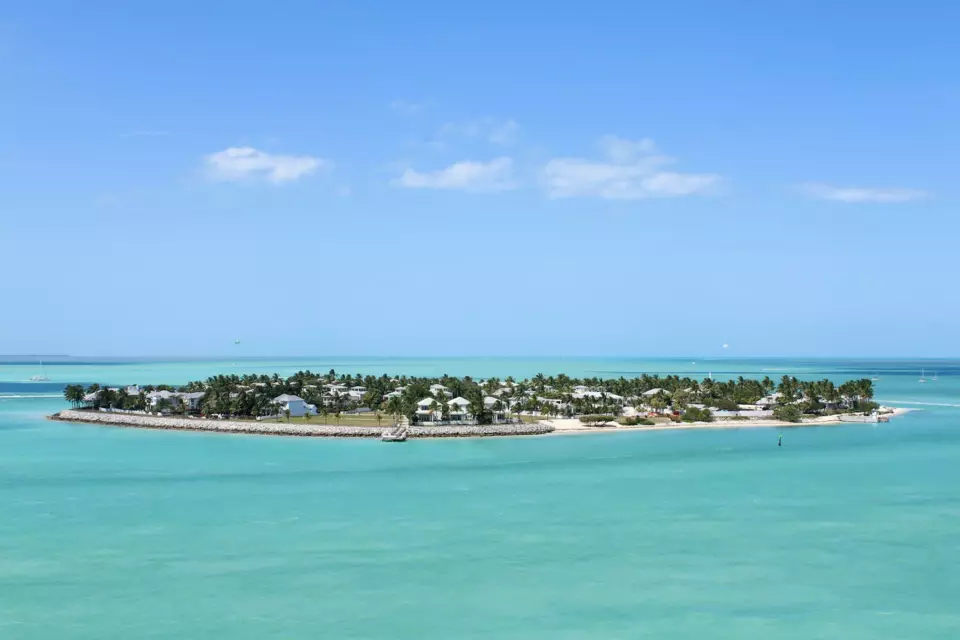

The Florida Keys are unlike anywhere else in the United States. A 135-nautical-mile chain of roughly 1,700 islands arcs south-west from the Florida mainland like a broken pearl necklace, connected by 42 bridges and the Overseas Highway – the road that famously runs straight across the open ocean. On one side, the warm, shallow waters of Florida Bay; on the other, the Atlantic Ocean and the only living coral barrier reef in the continental United States, stretching 125 miles from Key Largo to the Dry Tortugas. The reef shelters over 500 species of tropical fish, 110 species of coral, and some of the finest snorkelling and diving anywhere in the Northern Hemisphere.
For yacht charter guests, the Keys offer a cruising ground that is intimate, varied and endlessly rewarding. Key Largo – the ‘Dive Capital of the World’ – sits at the northern end, with John Pennekamp Coral Reef State Park (America’s first undersea park, established 1963) a short tender ride from your anchorage. Islamorada, the ‘Sportfishing Capital of the World’, delivers world-class flats fishing for bonefish and tarpon alongside laid-back tiki bars and art galleries. Marathon is the gateway to the Lower Keys, with the Turtle Hospital (founded 1986) and the iconic Seven Mile Bridge. And Key West – closer to Havana than to Miami – is a sui generis blend of Victorian architecture, literary heritage (Hemingway, Tennessee Williams, Elizabeth Bishop), nightly Sunset Celebrations at Mallory Square, and a live-and-let-live spirit that has attracted free thinkers for over a century.
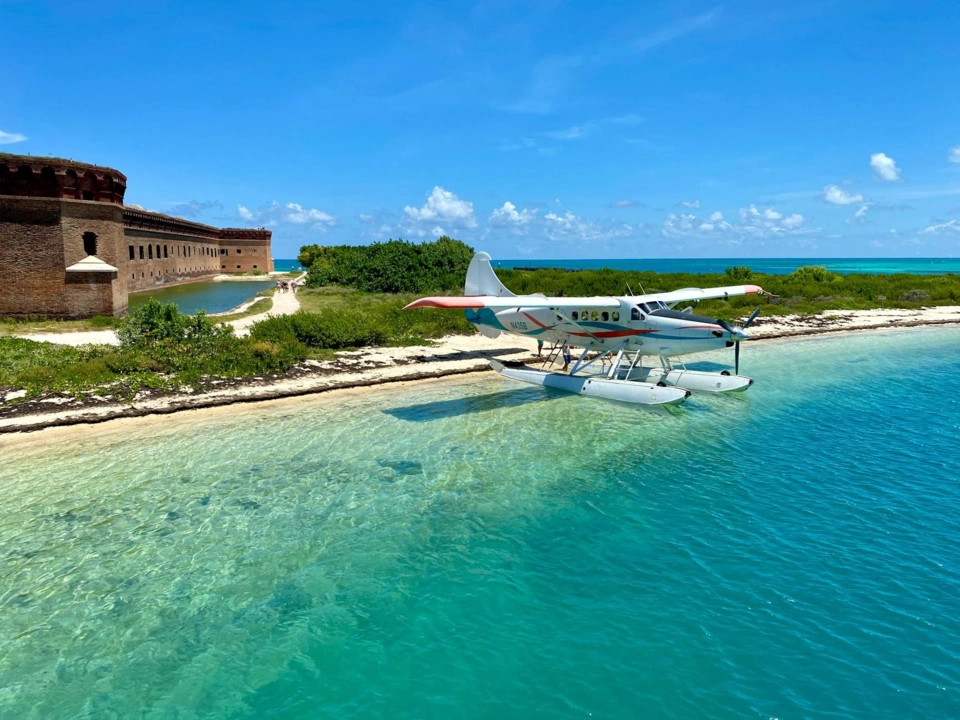
Beyond Key West, the Dry Tortugas – a cluster of seven islands 70 nautical miles out in the Gulf of Mexico – shelter Fort Jefferson, the largest masonry fort in the Americas (16 million bricks, 16 acres), pristine coral reefs and some of the most isolated, crystal-clear waters in the Western Hemisphere. Enquire with Boatcrowd for availability and pricing on our Keys fleet.
Why Charter a Yacht in the Florida Keys
The Only Living Coral Barrier Reef in the Continental USA
The Florida Reef Tract runs parallel to the Keys for 125 miles, creating a protected channel (Hawk Channel, roughly 20 feet deep) between the reef and the islands. The reef itself is a riot of colour and life: brain coral, elkhorn coral, sea fans and staghorn formations shelter angelfish, parrotfish, goliath grouper, nurse sharks, spotted eagle rays and sea turtles. John Pennekamp Coral Reef State Park in Key Largo covers 70 square nautical miles and includes the famous Christ of the Abyss statue, a 2.7-metre bronze figure resting on the reef at 7.5 metres depth. Further south, Looe Key and the Dry Tortugas offer equally spectacular reef systems with fewer visitors.
A Different Key, A Different World
Each section of the Keys has its own personality. The Upper Keys (Key Largo to Long Key) are the dive-and-snorkel heartland, with the reef at its most accessible. The Middle Keys (Marathon area) are quieter, more family-oriented, with the Turtle Hospital and some of the chain’s best beaches at Bahia Honda. The Lower Keys (Big Pine Key to Sugarloaf) are wild and undeveloped, home to the Key deer (a miniature subspecies found nowhere else on earth) and the most spectacular reef at Looe Key. Key West is the cultural capital – a town of 25,000 with more character per square foot than cities 100 times its size.
Warm Water Year-Round
Water temperatures in the Keys never drop below 20°C (68°F), even in January. Summer peaks at 30°C (86°F). This makes the Keys a year-round snorkelling and diving destination – a rarity in the continental United States. Winter (November–April) is the most comfortable season, with air temperatures of 19–29°C (66–84°F) and calm, dry conditions. The reef visibility is at its best in winter, often exceeding 30 metres on calm days.
A Seafood Paradise
The Keys’ culinary identity is built on what comes out of the water that morning: stone crab claws (season October–May, cracked and served chilled with mustard sauce), pink shrimp from the Dry Tortugas, yellowtail snapper, hogfish, spiny lobster (season August–March) and the iconic key lime pie – a tart, creamy confection made with juice from the tiny, aromatic key limes that grow wild on the islands. Your chef sources the freshest catch directly from Keys fishermen, and the flavours are simple, bright and unmistakably local.
Top Destinations in the Florida Keys
-
Key Largo – The ‘Dive Capital of the World’ and gateway to the Upper Keys. John Pennekamp Coral Reef State Park (70 sq. nm, est. 1963), the Christ of the Abyss statue, Molasses Reef and Grecian Rocks. The closest Keys destination to Miami (30 nautical miles).
-
Islamorada – The ‘Sportfishing Capital of the World’, spanning five islands in the Upper Keys. World-class flats fishing for bonefish, tarpon and permit. Alligator Reef Lighthouse (1873). A laid-back atmosphere of tiki bars, galleries and waterside restaurants. Roughly 50 nautical miles from Miami.
-
Marathon – The heart of the Middle Keys, home to the Turtle Hospital (founded 1986, over 2,500 turtles released). Gateway to Bahia Honda Key and the Seven Mile Bridge. Family-friendly, with calm waters and excellent beaches.
-
Bahia Honda Key – Home to one of America’s most beautiful beaches: powdery sand, crystalline water and the photogenic ruins of the Bahia Honda railroad bridge (Flagler’s Overseas Railroad, 1912). A favourite lunch anchorage.
-
Key West – The southernmost point in the continental USA, closer to Havana (90 nm) than to Miami. Victorian Old Town, Hemingway House (built 1851, Hemingway lived here 1931–1939), the nightly Sunset Celebration at Mallory Square, Duval Street’s legendary bar scene, and a thriving food scene. The cultural heart of the Keys.
-
Dry Tortugas – A cluster of seven islands 70 nautical miles west of Key West, accessible only by boat or seaplane. Fort Jefferson (built 1846–1875, 16 million bricks, 16 acres) is the largest masonry fort in the Americas. Pristine coral reefs, nesting sea turtles, and some of the clearest water in the Western Hemisphere. A bucket-list stop for any Keys charter.
Best Time to Charter in the Florida Keys
Peak Season: December through April
Winter and early spring deliver the best combination of weather, water clarity and charter availability. Air temperatures range from 19–29°C (66–84°F), seas are calm, and reef visibility often exceeds 30 metres. This is when the largest selection of charter yachts is available in South Florida. Stone crab season (October–May) and spiny lobster season (August–March) overlap, ensuring your chef has access to the Keys’ finest seafood.
Shoulder Season: May, October and November
May is warm and settled, with fewer boats at the popular anchorages. October and November mark the end of hurricane season and the start of winter charter season – water temperatures are still warm (26–28°C), and pricing is softer than peak. November in the Keys is one of South Florida’s best-kept secrets: warm, calm, uncrowded.
Summer: June through September
Hot and humid (30–33°C / 86–91°F) with afternoon thunderstorms and the possibility of tropical weather (hurricane season runs June–November). The reef is still spectacular, water visibility can be excellent on calm mornings, and rates are significantly lower. Spiny lobster mini-season (two days in late July) is a beloved Keys tradition.
Signature Experiences
-
Christ of the Abyss – Snorkel over the 2.7-metre bronze statue resting on the reef at 7.5 metres depth in John Pennekamp park. Clouds of tropical fish swirl around the outstretched arms as sunlight filters through the water. One of the most iconic underwater images in the world.
-
Sunset at Mallory Square – Join Key West’s nightly waterfront celebration: street performers, local artists and food vendors gather as the sun drops into the Gulf of Mexico. Arrive by tender from your yacht and return under the stars.
-
The Seven Mile Bridge – Cruise beneath this engineering marvel (first built 1909–1912 for Flagler’s Overseas Railroad, replaced by the current bridge in 1982) as it spans the open water between Marathon and the Lower Keys. The views from the water are extraordinary.
-
Bahia Honda Beach Day – Anchor off one of America’s finest beaches for a day of swimming, paddleboarding and pure relaxation. The old railroad bridge ruins provide a hauntingly beautiful backdrop. Your crew sets up the swim platform while your chef prepares a Keys-style lunch.
-
Fort Jefferson and the Dry Tortugas – A bucket-list day trip (or overnight) from Key West: 70 nautical miles across open water to one of the most isolated and pristine national parks in the United States. Tour the massive 19th-century fort, snorkel reefs that see fewer than 100 visitors a day, and experience waters so clear the coral seems to glow.
Yacht Types Available
-
Motor Yachts (78’–99’) – Ideal for the Keys’ varied cruising grounds. Shallow enough for the reef-side anchorages, powerful enough for the run to Key West and back. Crewed, with water toys and snorkelling gear. Weekly rates from around $35,000–$65,000.
-
Superyachts (100’+) – Available from Fort Lauderdale and Miami for Keys itineraries. Offer the space and service for multi-day reef explorations and Dry Tortugas expeditions. Weekly rates from $90,000–$200,000+.
-
Luxury Catamarans (55’+) – The catamaran’s shallow draft makes it particularly well suited to the Keys’ reef-side anchorages and tidal flats. Stability and beam provide excellent platforms for snorkelling and water sports. Weekly rates from $30,000–$50,000.
Frequently Asked Questions
How much does a yacht charter in the Florida Keys cost?
Crewed motor yachts (78’–99’) start from around $35,000–$65,000 per week during peak season (December–April). Superyachts (100’+) range from $90,000–$200,000+ per week on MYBA terms. Luxury catamarans (55’+) start from $30,000–$50,000 per week. Day charters from Key West or Key Largo start from approximately $4,000–$12,000. Crew gratuity is customarily 15–20%. Enquire with Boatcrowd for a personalised quote.
Is the Florida Keys good for diving and snorkelling?
The Keys are among the finest snorkelling and diving destinations in the world. The Florida Reef Tract – the only living coral barrier reef in the continental United States – runs for 125 miles parallel to the island chain, with shallow sections (1.5–9 metres) accessible by snorkel and deeper walls and wrecks for certified divers. Highlights include John Pennekamp’s Christ of the Abyss (Key Largo), Alligator Reef (Islamorada), Looe Key (Lower Keys) and the Dry Tortugas. Water temperatures never drop below 20°C, so the reef is accessible year-round.
Can I reach Key West on a yacht charter from Miami?
Absolutely. Miami to Key West is approximately 135 nautical miles – a full day’s cruise on a motor yacht, or 2–3 days with stops at Key Largo, Islamorada and Marathon. A 4–5-day charter is ideal for a Miami–Key West route with time to snorkel the reef, explore the island chain and enjoy Key West’s legendary nightlife and cuisine. Extend to a week and you can add the Dry Tortugas – 70 nautical miles west of Key West, one of the most pristine and isolated national parks in the US.
What is the best time for sportfishing in the Keys?
The Keys offer year-round fishing, with seasonal highlights. Winter (December–March) is peak for sailfish offshore. Spring (April–June) brings tarpon – the ‘Silver King’ – to the flats and bridges, and this is considered the premier tarpon fishery in the world. Summer (July–September) is excellent for mahi-mahi, wahoo and yellowfin tuna offshore. Bonefish and permit are available on the flats year-round, with the best sight-fishing in the calm, clear conditions of late autumn and winter. Your charter yacht can carry a fishing skiff for flats fishing, or your captain can recommend a local guide.
Are the Dry Tortugas worth visiting?
Emphatically yes. The 70-nautical-mile crossing from Key West (roughly 3–4 hours by motor yacht) takes you to one of the most extraordinary places in the United States. Fort Jefferson – a massive hexagonal fortress built from 16 million bricks over 30 years (1846–1875), never completed and never attacked in battle – rises dramatically from the shallow turquoise water. The snorkelling is pristine (the park sees fewer than 100 visitors on most days), nesting sea turtles come ashore in summer, and the night sky is so dark you can see the Milky Way with the naked eye. It is the ultimate extension to any Keys charter.
Ready to plan your Florida Keys charter?
Tell us your dates and party size – we'll match you with the right yacht and crew.
20–30 min by road to Miami Beach Marina
Every yacht is chartered fully crewed with a professional captain and crew, so no licence or sailing experience is required — you simply step aboard.
Best time to charter USA
Local knowledgeTwo seasons in one country – Florida and the Keys peak through winter, while Newport and New England take over for the northern summer.
