 Skip to content

 EN
EN  Deutsch
  Français
  Español
  Italiano
  日本語
日本語  Português


Barbados · In this guide
Barbados Guide: Luxury Yacht Charter in Barbados

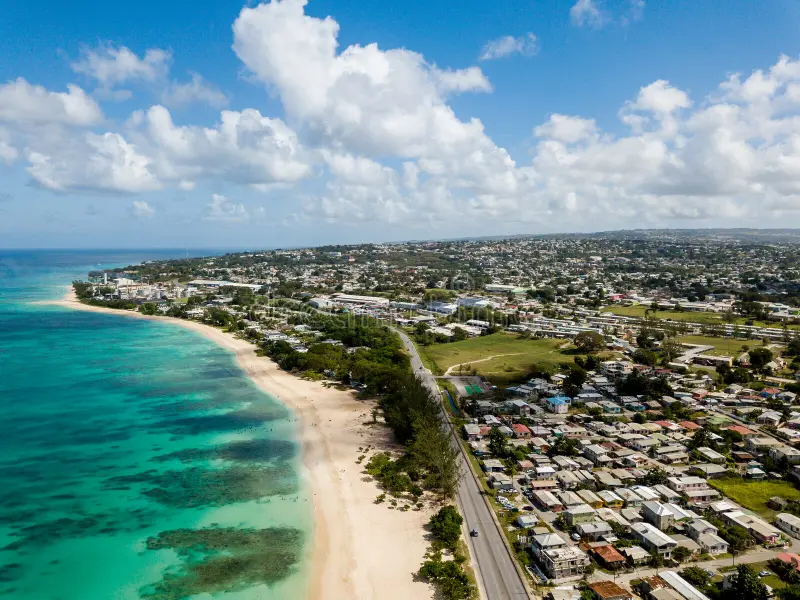

Barbados stands apart from every other Caribbean island. The most easterly in the chain, it sits roughly 100 nautical miles east of St Vincent and the Grenadines, a 439-square-kilometre coral-limestone island that feels more like a sophisticated small country than a typical Caribbean getaway. The west coast – known locally as the Platinum Coast – is a calm, turquoise-watered stretch of white-sand bays fringed by mahogany trees, where green turtles swim within metres of the shore and some of the Caribbean’s finest restaurants line the road from Holetown to Speightstown. The east coast, by contrast, faces the open Atlantic: dramatic cliff formations at Bathsheba, the world-class surf break at Soup Bowl, and a wild beauty that feels a world away from the manicured west. It is this duality – refined sophistication on one shore, raw natural drama on the other – that makes Barbados unique in the Caribbean.
The capital, Bridgetown, is a UNESCO World Heritage Site – its historic garrison area and Careenage harbour district reflecting over 350 years of continuous colonial settlement. But Barbados is anything but a museum piece. The dining scene rivals anything in the Eastern Caribbean: The Cliff, perched on a coral-stone terrace above the sea at Derricks, serves refined Caribbean-Asian fusion beneath torch-lit gardens; Lone Star in St James is a converted 1940s garage turned beachfront bistro with a celebrity following; Cin Cin by the Sea in Prospect offers Mediterranean-Caribbean plates with the waves lapping below your table. The rum heritage runs deeper here than anywhere else in the world – Mount Gay has been distilling since 1703, making it the oldest commercial rum distillery on earth, and the island’s rum shops remain the social heart of Bajan life. For charter guests, Barbados offers a depth of culture, cuisine and entertainment that most Caribbean islands simply cannot match.
Barbados is ideally explored by luxury catamaran. The Platinum Coast’s calm, sheltered waters and moderate distances between anchorages suit the catamaran’s stable, spacious platform perfectly, while the shallow draft allows access to bays and turtle-swimming spots that deeper-keeled vessels cannot reach. Whether you’re planning a dedicated Barbados coastal charter or using the island as a launch point for a longer voyage south to the Grenadines and Grenada, this guide covers the cruising ground, the seasons, the experiences and the yachts best suited to these waters. Start planning your Barbados charter with Boatcrowd and let our team match you to the perfect vessel and itinerary.
Why Charter a Yacht in Barbados
The Platinum Coast – Calm Waters and World-Class Dining
The west coast of Barbados is sheltered from the Atlantic swell by the island itself, creating a long stretch of calm, turquoise water ideal for catamaran cruising. From Bridgetown in the south to Speightstown in the north, a chain of white-sand bays – Paynes Bay, Sandy Lane, Mullins Beach, Gibbes – offers sheltered anchorages spaced just 2–5 nautical miles apart. Ashore, the restaurant scene is outstanding: The Cliff, Lone Star, Cin Cin by the Sea, Tides and Nishi are among the finest dining experiences in the Eastern Caribbean, and the concentration of quality within a few miles of coastline means your chef can provision to a Michelin-adjacent standard from local suppliers.
The World’s Oldest Rum Heritage
Barbados is where rum began. Mount Gay, founded in 1703, holds the distinction of being the oldest commercial rum distillery in the world, and a guided tour through its heritage centre in St Lucy parish is an essential Barbados experience – tracing the spirit from molasses to aged sipping rum in copper pot stills that have been in continuous use for over three centuries. Beyond Mount Gay, the island is home to Foursquare Rum Distillery (whose Exceptional Cask Selection bottlings are prized by collectors worldwide), St Nicholas Abbey (a Jacobean plantation house distilling small-batch rum since the 17th century) and dozens of traditional rum shops where a Banks beer and a measure of overproof is the local ritual. No other Caribbean island can match this depth of rum heritage.
Sea Turtles and Shipwrecks at Carlisle Bay
Carlisle Bay, on the south-west coast just below Bridgetown, is a designated marine park protecting six shipwrecks and a resident population of hawksbill and green sea turtles. The wrecks – including the Bajan Queen (a former party boat scuttled at 12 metres), the Berwind and the Ce-Trek – lie in clear, shallow water ideal for snorkelling and beginner diving. Turtles are encountered on virtually every visit, gliding between the coral-encrusted hulls in visibility that frequently exceeds 20 metres. For catamaran charters, the bay offers excellent holding over sand in 4–8 metres, with the historic Careenage and Bridgetown’s shops and restaurants a short catamaran dinghy ride away.
Gateway to the Grenadines and Windward Islands
Barbados sits roughly 100 nautical miles east of St Vincent, making it the natural international gateway to the Grenadines for guests arriving from Europe and North America. Grantley Adams International Airport receives direct flights from London, New York, Miami, Toronto and Frankfurt, and many charter guests begin or end their Grenadines voyage in Barbados – exploring the Platinum Coast for a few days before or after the island-hopping itinerary. For dedicated Barbados charters, the island’s compact west coast and sheltered bays provide enough variety for a rewarding 3–7 day voyage without ever leaving Bajan waters.
Top Destinations Near Barbados
- Carlisle Bay Marine Park – A protected marine park on the south-west coast with six accessible shipwrecks in 6–18 metres of water and a resident population of hawksbill and green sea turtles. The Bajan Queen wreck at 12 metres is the most popular – a 36-metre former party boat now encrusted with coral and sponges, surrounded by schools of sergeant majors, angelfish and parrotfish. Anchor in 4–8 metres over excellent sand holding and snorkel directly from the swim platform. Bridgetown and the historic Careenage are a short dinghy ride south.
- Paynes Bay – The Platinum Coast’s most famous turtle-swimming spot. Anchor offshore in calm, turquoise water and slip in for an encounter with green and hawksbill turtles that have become habituated to swimmers – they feed on seagrass within 50 metres of the beach in water so clear the visibility regularly exceeds 20 metres. The bay is flanked by upscale beachfront properties and is a short walk from some of the island’s finest restaurants, including Cin Cin by the Sea.
- Mullins Beach – A wide crescent of white sand in St Peter parish, backed by shady casuarina trees and a popular beach bar serving fresh fish and rum punch. The water is calm, the snorkelling is good over scattered reefs, and the atmosphere strikes a balance between laid-back beach day and polished Platinum Coast elegance. An ideal lunch-stop anchorage midway along the west coast.
- Holetown – The site of the first English settlement in Barbados (1627), today a charming west-coast town with upscale shopping at Limegrove Lifestyle Centre, the Holetown Monument, and some of the island’s best restaurants. Tides, on the beachfront, serves refined Caribbean-international cuisine in a coral-stone setting, and the annual Holetown Festival in February celebrates the town’s history with street parades, music and craft markets.
- Speightstown – The north’s historic port town, once known as “Little Bristol” for its role in the sugar trade with England. Today it retains a quieter, more authentic character than the southern Platinum Coast, with colourful colonial architecture, the Arlington House Museum and several excellent waterfront restaurants. Port St Charles marina (just south of town) offers berths for yachts up to 18 metres and is a convenient provisioning stop for the northern anchorages.
- Bathsheba and Soup Bowl – The wild east coast is accessible by road from any west-coast anchorage (roughly 30 minutes by taxi). Bathsheba’s dramatic rock formations – giant coral boulders scattered along the shore like ancient ruins – and the world-class surf break at Soup Bowl are essential Barbados experiences. Not accessible by yacht (the Atlantic coast is fully exposed), but a half-day shore excursion from your catamaran’s west-coast mooring is highly recommended.
- Animal Flower Cave – At the island’s northernmost point, this sea cave opens onto natural rock pools carved by Atlantic waves, with sea anemones (the “animal flowers”) waving in the tidal current. The cave is accessible only at low tide and offers one of Barbados’s most unusual natural experiences. The clifftop restaurant above serves lunch with panoramic views of the rugged north coast. Reachable by shore excursion or by an adventurous day charter along the north-west coast.
Best Time to Charter a Yacht in Barbados
Peak Season: December to April
The Caribbean dry season brings the best conditions for Barbados cruising: warm temperatures of 26–30°C, north-east trade winds of 12–18 knots, low humidity and virtually no rain. Water temperatures sit at 26–27°C with visibility frequently exceeding 20 metres on the west coast. This is also the social high season – the Platinum Coast’s restaurants and beach bars are at their liveliest, and the Holetown Festival (mid-February) and Barbados Reggae Festival add event interest. Catamaran and Yacht charter rates are at their highest during Christmas and New Year, with the best catamarans booking out 4–6 months in advance.
Shoulder Season: May to June and November
May and June mark the transition to the wetter season, but Barbados – being the most easterly Caribbean island – receives less rainfall than its Windward neighbours, and conditions remain warm (28–31°C) and largely sunny. Charter rates drop by 20–30% compared to peak, anchorages are quieter, and the turtle encounters at Paynes Bay and Carlisle Bay are equally rewarding. November is the tail end of hurricane season but typically brings settled weather. Barbados’s easterly position places it at the edge of the hurricane belt, and direct hits are historically rare – making the shoulder months a particularly attractive option for value-conscious guests.
Hurricane Season: July to October
The official Atlantic hurricane season runs from 1 June to 30 November, with peak risk in September. Barbados’s easterly location means it is the first island storms encounter after crossing the Atlantic, but paradoxically this also means most hurricanes pass well to the north or west before reaching full strength. Rainfall increases and trade winds become less predictable. The annual Crop Over Festival (late July to early August) – Barbados’s biggest cultural event, a carnival of calypso, soca, costumes and street parades – falls in this period and draws visitors from around the world. Charter availability is more limited but rates are at their lowest.
Signature Experiences
- Swimming with Turtles at Paynes Bay – Anchor your catamaran off the Platinum Coast and slip into the warm, clear water for an encounter with green and hawksbill turtles feeding on seagrass in the shallows. The turtles are habituated to swimmers and show no concern at your presence – they glide past within arm’s reach, surfacing for air and descending again in the turquoise glow. Early morning offers the calmest conditions and the best visibility.
- Snorkelling the Carlisle Bay Shipwrecks – Explore six shipwrecks in the marine park, including the 36-metre Bajan Queen at 12 metres and the Berwind at 7 metres. The wrecks are encrusted with coral, sponges and sea fans, and are home to turtles, moray eels, seahorses and dense schools of tropical fish. The shallow depths and calm conditions make this accessible to snorkellers as well as divers – one of the finest wreck-snorkelling sites in the Caribbean.
- Mount Gay Rum Distillery Tour – Visit the world’s oldest commercial rum distillery, founded in 1703 in St Lucy parish. The signature tour traces rum production from molasses to copper pot still to oak cask ageing, with guided tastings of the Eclipse, Black Barrel and XO expressions. For a deeper experience, the Rum & Food Pairing session pairs Mount Gay rums with locally inspired dishes. Allow 2–3 hours; accessible by taxi from any west-coast catamaran anchorage.
- Dinner at The Cliff – One of the Caribbean’s most celebrated restaurants, set on a coral-stone terrace above the sea at Derricks on the Platinum Coast. Torch-lit gardens, impeccable service and a menu of Caribbean-Asian fusion – think miso-glazed black cod, seared yellowfin tuna and locally caught lobster. Reservations are essential, particularly in peak season, and the setting at sunset is unforgettable.
- Oistins Friday Night Fish Fry – The most authentic weekly street-food event in Barbados. Every Friday evening, the fishing village of Oistins on the south coast transforms into an open-air festival of grilled fish, marlin, lobster, macaroni pie and Banks beer. Live music, domino games and a crowd that mixes locals and visitors in equal measure. Anchor at Carlisle Bay and take a short taxi ride south – an essential Bajan experience.
- Harrison’s Cave – A crystallised limestone cave system in the central highlands, accessible by electric tram through an underground world of stalactites, stalagmites, flowing streams and emerald pools. The cathedral-sized main chamber is genuinely awe-inspiring. Tours run daily and the experience offers a fascinating counterpoint to the coastal cruising – a reminder that Barbados has geological depth as well as marine beauty.
Yacht Types Available
-
Luxury Catamarans (55’+) – The preferred vessel for Barbados charters. The Platinum Coast’s calm, sheltered waters and moderate anchorage depths are ideally suited to the catamaran’s stable platform, spacious deck areas and shallow draft (typically 1.2–1.8 metres). Power catamarans of 55 feet and above accommodate 6–10 guests in 3–4 en-suite cabins, with full crew including captain, chef and steward/ess. Weekly rates start from approximately $24,500–$70,000, inclusive of crew but exclusive of fuel, food, beverages and mooring fees.
-
Motor Yachts (55’–99’) – Crewed motor yachts offer additional speed for guests planning to combine Barbados with a longer passage south to the Grenadines (approximately 100 nautical miles). Cruising speeds of 18–25 knots suit the open-water crossing, and the luxury finish and amenities match the Platinum Coast’s high-end dining and lifestyle. Weekly rates range from $35,000–$105,000.
-
Superyachts (100’+) – Port Ferdinand in St Peter and Port St Charles in Speightstown accommodate larger vessels, with berths for yachts up to 30 metres and anchorage options for larger superyachts off the Platinum Coast. Superyacht charters in Barbados typically range from $140,000–$560,000+ per week, with full professional crew and premium water toys. The island’s international airport and world-class provisioning make it an ideal start or end point for Eastern Caribbean superyacht voyages.
Frequently Asked Questions
When is the best time to charter a yacht in Barbados?
December to April offers the best conditions: warm, dry weather, calm west-coast seas and outstanding underwater visibility. May and November are excellent shoulder months with lower rates, fewer boats and equally rewarding turtle encounters. The Crop Over Festival in late July/early August adds carnival excitement for guests visiting during the summer months.
Do I need a visa to charter in Barbados?
Citizens of the United States, United Kingdom, Canada and the European Union do not require a visa for stays of up to 180 days (US/UK/Canadian) or 90 days (EU). A valid passport is required. Barbados is a sovereign nation and not part of any European territory – standard Caribbean entry requirements apply.
What currency is used in Barbados?
The Barbadian Dollar (BBD) is pegged to the US Dollar at a fixed rate of 1 USD = 2 BBD. US dollars are widely accepted across the island, and credit cards are taken at most restaurants, shops and marinas. It is helpful to carry some Barbadian dollars for smaller transactions, tips and rum shops.
What is the Platinum Coast?
The Platinum Coast is the local name for Barbados’s sheltered west coast, stretching from Bridgetown in the south to Speightstown in the north. It is characterised by calm, turquoise water, white-sand beaches and a concentration of luxury hotels, fine-dining restaurants and upscale beachfront properties. The west coast is where the vast majority of yacht charters operate, as the eastern Atlantic coast is exposed to open-ocean swell and not suitable for anchoring.
Is Barbados suitable for a family charter?
Very much so. The calm Platinum Coast is ideal for children, with gentle swimming conditions and turtle encounters that delight all ages. Carlisle Bay’s shallow shipwrecks are accessible to confident young snorkellers, Harrison’s Cave is entertaining for the whole family, and the relaxed beach-bar culture means there is always somewhere welcoming for lunch. Most charter catamarans can provide child-safe equipment and family-adapted menus on request.
How do I get to Barbados?
Grantley Adams International Airport (BGI) receives direct flights from London (Virgin Atlantic, British Airways), New York (JetBlue, Caribbean Airlines), Miami (American Airlines), Toronto (Air Canada, WestJet) and Frankfurt (Condor). The airport is located on the south coast, roughly 30 minutes by taxi from the Platinum Coast marinas. Barbados is also the most common international gateway for charter guests heading to the Grenadines, with connecting flights to Bequia, Canouan, Mustique and Union Island via SVG Air and Mustique Airways.
Why are catamarans recommended for Barbados?
The Platinum Coast’s calm, sheltered waters and moderate anchorage depths are perfectly suited to luxury catamarans. Their wide, stable platforms provide exceptional comfort at anchor, spacious deck areas for dining and sunbathing, and shallow drafts (typically 1.2–1.8 metres) that allow access to turtle-swimming spots and inshore anchorages that deeper-keeled vessels cannot reach. For guests combining Barbados with a passage to the Grenadines, the catamaran’s fuel efficiency and sea-keeping ability make it an excellent choice for the open-water crossing.
Ready to plan your Barbados charter?
Tell us your dates and party size – we'll match you with the right yacht and crew.
20–25 min by road to The Careenage, Bridgetown
Every yacht is chartered fully crewed with a professional captain and crew, so no licence or sailing experience is required — you simply step aboard.
Best time to charter Barbados
Local knowledgeThe easternmost of the Windwards greets the Atlantic head-on – surf-washed east coasts, calm platinum west-coast anchorages and rum heritage ashore.
