 Skip to content

 EN
EN  Deutsch
  Français
  Español
  Italiano
  日本語
日本語  Português


Bahrain · In this guide
Bahrain Guide: Luxury Yacht Charter in Bahrain

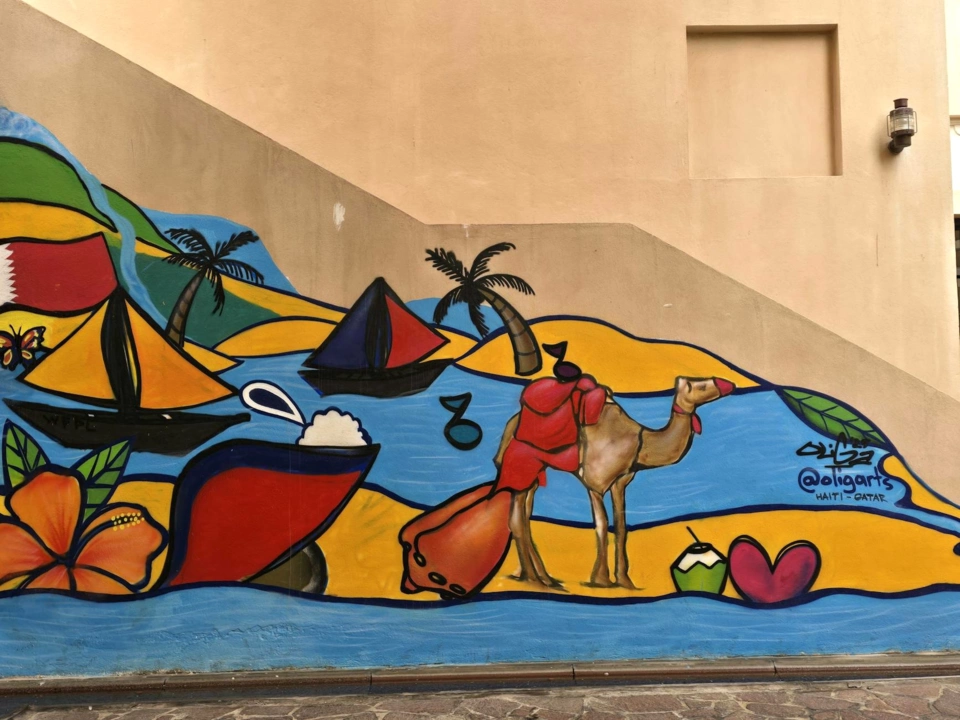
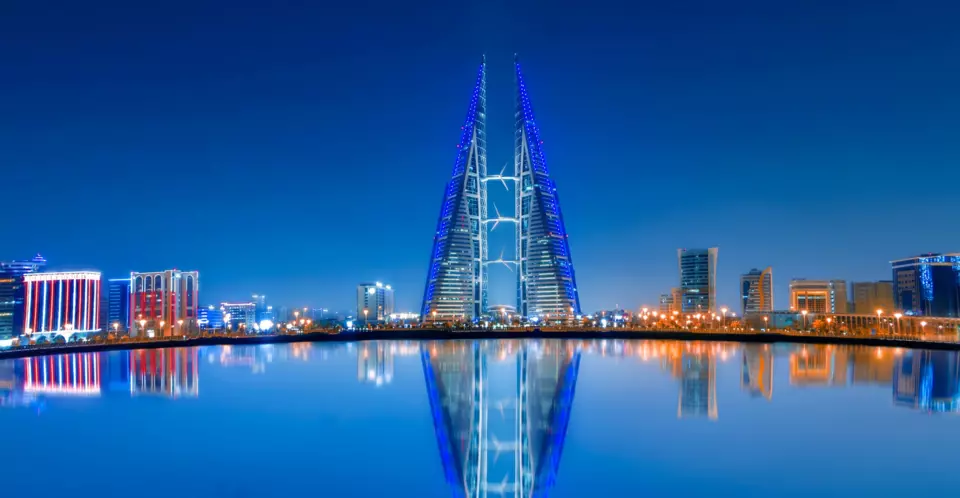
Bahrain is an archipelago of 33 islands in the heart of the Arabian Gulf, connected to Saudi Arabia by the 25-kilometre King Fahad Causeway and positioned at the crossroads of maritime trade routes that have been active for over 4,000 years. The Kingdom’s 160 kilometres of coastline wrap around a surprisingly diverse seascape: shallow coral gardens teeming with butterflyfish and angelfish, extensive seagrass beds that support one of the world’s largest dugong populations outside Australia, the tidal sandbar of Jarada Island that appears and vanishes with each tide cycle, and the remote Hawar Islands – a wildlife sanctuary just 10 nautical miles south of the main island where 200,000 Socotra cormorants nest in what is the world’s largest breeding concentration of the species.
For yacht charter guests, Bahrain offers something increasingly rare in the Gulf: genuine cultural depth rooted in a pearl-diving heritage that stretches back to 2000 BC. The Pearling Path in Muharraq – a UNESCO World Heritage Site inscribed in 2012 – preserves the last complete example of the pearling trade culture, with 17 historic buildings, three offshore oyster beds and a 3.5-kilometre pathway tracing the route pearl divers walked from their homes to the sea. Bahrain Fort, another UNESCO World Heritage Site, was the ancient capital of the Dilmun civilisation. And the dining scene, anchored by CUT by Wolfgang Puck (five-time winner of Bahrain’s best restaurant) and La Table Krug (the first Krug concept in the Middle East), matches the cultural sophistication. Amwaj Marina provides deepwater berthing for superyachts up to 75 metres with six-metre depth, while the Bahrain Yacht Club and Danat Al Bahrain Yacht Club offer additional facilities.
Whether you’re planning a day charter to the disappearing sands of Jarada Island or a multi-day voyage south to the Hawar Islands and their flamingo-fringed lagoons, Bahrain rewards those who look beyond the surface. Start planning your Bahrain charter with Boatcrowd.
Why Charter a Yacht in Bahrain
A Pearl-Diving Heritage Unlike Anywhere on Earth
Bahrain’s relationship with the sea is not measured in decades but in millennia. The first recorded mention of Bahraini pearls appears in Assyrian texts dating to 2000 BC, where they were called ‘fish eyes’ from Dilmun. For thousands of years, pearls were the backbone of the Kingdom’s economy, with the industry reaching its peak between the 1850s and 1930s – approximately 30,000 divers were active by 1930, performing 30–40 dives per day during the May-to-September season. Jacques Cartier and the world’s great jewellers sourced from Bahrain’s oyster beds, and the wealth generated shaped the architecture, culture and social fabric of the islands. The Pearling Path in Muharraq preserves this entire ecosystem: pearl-merchant homes, dive-captain houses, the Qal’at Bu Mahir fortress from which divers departed, and three offshore oyster beds that can still be visited by yacht.
Dugongs, Turtles and the Gulf’s Richest Marine Life
Bahrain’s shallow waters support a marine ecosystem of global significance. The Arabian Gulf’s dugong population – estimated at 5,800–7,300 individuals – reaches its highest concentration around the Hawar Islands, with a density of 0.59 dugongs per square kilometre. These gentle, slow-moving mammals graze on the extensive seagrass beds that fringe Bahrain’s coastline and are visible from March to September. Hawksbill turtles nest on the Kingdom’s beaches in late spring and early summer, and the coral reefs – uniquely adapted to the Gulf’s extreme temperatures and high salinity – harbour parrotfish, butterflyfish, angelfish and a diversity of reef life that surprises first-time visitors. Bahrain banned the capture of dugongs and dolphins in 2003.
Jarada Island: A Sandbar That Appears and Vanishes
Roughly 30 kilometres east of Manama, Jarada Island is one of the Gulf’s most extraordinary natural phenomena. At high tide, it measures just 39 feet by 13 feet – a tiny sliver of sand barely 16 inches above the water. At low tide, it expands dramatically to 1,969 feet by 246 feet of exposed white sand, emerging like a private beach in the middle of the open Gulf. The tidal range is approximately six feet, and the transformation takes place over just a few hours. Crystal-clear water, soft golden sand, no infrastructure – your crew anchors nearby and tenders you to what feels like your own temporary island. Dolphins, sea turtles and fish are regularly spotted in the surrounding water. Timing your visit to the tide is essential – your captain will read the charts and get you there at exactly the right moment.
Two UNESCO World Heritage Sites in One Charter
Bahrain is the only Arabian Gulf charter destination with two UNESCO-inscribed sites accessible within a single day’s cruising. Bahrain Fort (Qal’at al-Bahrain), inscribed in 2005, was the ancient capital of the Dilmun civilisation and commands sweeping views from its centuries-old ramparts. The Pearling Path, inscribed in 2012, preserves the last complete example of pearl-diving culture in the world – a 3.5-kilometre walk through 17 historic buildings in Muharraq tracing the entire pearl-production chain from oyster bed to market. No other charter destination in the Gulf offers this combination of maritime heritage and World Heritage recognition.
Key Destinations Near Bahrain
-
Hawar Islands – Roughly 10 nautical miles south of the main island, this archipelago is a designated Ramsar wetland site (1997) and a UNESCO tentative-list nomination. A wildlife sanctuary of international importance: 200,000–300,000 Socotra cormorants in the world’s largest breeding concentration, flamingos in the lagoons, and the Gulf’s highest dugong density in the surrounding seagrass beds. Idyllic shores for swimming and snorkelling. Ferry access from Al Door Port takes 45 minutes; by yacht, the crossing is a gentle morning’s cruise.
-
Jarada Island – A tidal sandbar roughly 30 kilometres east of Manama, reachable in 45 minutes by yacht. Appears and vanishes with the tide – at low tide, nearly 2,000 feet of white sand; at high tide, a tiny sliver barely above the waterline. Crystal-clear water, dolphins, sea turtles. No infrastructure; complete self-sufficiency required. One of the most unique natural experiences in the Gulf.
-
Al Dar Islands – The most popular day-trip islands for beach activities and water sports. Chalets, resort facilities and a range of water-sports equipment available. A shorter, easier alternative to the Hawar Islands for guests on tighter schedules.
-
Amwaj Islands – A modern island development near Muharraq with hotels, restaurants, shopping and a full-service marina. Amwaj Marina is the premier superyacht facility in Bahrain – 145 deepwater berths with direct open-sea access and a 140-metre superyacht dock accommodating vessels up to 75 metres.
-
Tubli Bay Mangroves – A nature reserve on Bahrain’s north-east coast (established 1988), home to Avicennia marina mangroves and over 65 wildlife species. Kayaking through the tranquil waterways offers a peaceful contrast to the island’s urban energy.
-
Qatar – Roughly 100 nautical miles south-east of Bahrain. Doha’s modern skyline, The Pearl-Qatar marina, whale shark encounters and the cultural depth of Souq Waqif and the Museum of Islamic Art. A natural extension of a Bahrain charter into a multi-country Gulf voyage.
Best Time to Charter a Yacht in Bahrain
Peak Season: December to February
Bahrain’s optimal charter window brings mild, pleasant weather: daytime temperatures of 15–25°C (59–77°F), low humidity and clear skies. Water temperatures sit at 20–21°C – comfortable for swimming and snorkelling, though a light wetsuit may be welcome for extended time in the water. January and February are the driest months. This is the peak period for Gulf tourism, and the best yachts book out months in advance. Charter rates are highest during the winter holiday period.
Shoulder Season: March to May and October to November
March through May brings rising temperatures (20–32°C) and warmer water (22–30°C). Swimming becomes increasingly comfortable from March onwards, and the anchorages are quieter. October and November mark the return of cooler weather after summer. Charter rates soften by 15–20%. The Formula 1 Bahrain Grand Prix typically falls in March or April, adding an extra dimension for motorsport enthusiasts – your yacht becomes the ultimate hospitality venue for the race weekend.
Summer: June to September
Summer temperatures are extreme – 38–40°C (100–104°F) with high humidity. The Persian Gulf reaches its warmest during these months, with water temperatures exceeding 30°C. Charter activity is minimal, though early-morning and late-afternoon excursions remain feasible on air-conditioned yachts. This is not a recommended charter period for most guests, but those willing to brave the heat will find the lowest rates and the emptiest anchorages of the year.
Pearl Diving Heritage and Cultural Calendar
Bahrain’s pearl-diving heritage is woven into the fabric of daily life. The annual pearl-diving festival, held each summer under the patronage of the Emir, sees hundreds of Bahraini men recreate the traditional diving expeditions in a five-day celebration of maritime heritage. The Bahrain Grand Prix (Formula 1), the island’s biggest international sporting event, draws global attention each spring – Bahrain hosted the first ever Formula 1 race in the Middle East in 2004. Beyond these marquee events, the cultural calendar includes exhibitions at the Bahrain National Museum, performances at the Bahrain National Theatre, and the restored heritage quarter of Muharraq, where traditional coffee houses and pearl-merchant homes sit alongside contemporary galleries and boutiques.
Signature Experiences
-
Sunrise at Jarada Island – Have your captain time the voyage to arrive at Jarada Island as the tide recedes and the sandbar emerges from the sea. Watch nearly 2,000 feet of white sand materialise in the early morning light, step onto your own private island, and swim in crystal-clear water as dolphins surface nearby. Your chef has cold champagne and a full breakfast spread waiting on the aft deck. An experience that exists nowhere else in the Gulf.
-
Hawar Islands Wildlife Cruise – Cruise south to the Hawar archipelago for a day among the Gulf’s richest wildlife. Anchor off the main island and snorkel the surrounding reef, keeping an eye out for dugongs grazing in the seagrass below. The colonies of Socotra cormorants – 200,000 or more nesting birds – create one of the great seabird spectacles in the Middle East. Flamingos wade in the lagoons. Return to Manama in the golden light.
-
The Pearling Path on Foot – Moor at Amwaj Marina and tender to Muharraq for a morning walking the UNESCO-inscribed Pearling Path. The 3.5-kilometre route threads through 17 historic buildings – pearl-merchant homes, dive-captain houses, the Qal’at Bu Mahir fortress where divers once departed for the oyster beds. Your guide explains the 4,000-year history of Bahraini pearling, from the Assyrian ‘fish eyes’ to Jacques Cartier’s buying trips.
-
CUT by Wolfgang Puck – Tender ashore for dinner at CUT in the Four Seasons Bahrain Bay – five-time winner of the Kingdom’s best restaurant. The modern American steakhouse offers 180-degree views of the Manama skyline, premium meats and a wine list to match. Return to the yacht for a nightcap on the flybridge with the city lights reflected in the harbour.
-
Formula 1 from the Flybridge – Time your charter to coincide with the Bahrain Grand Prix and make your yacht the ultimate race-weekend venue. Watch qualifying and the race from shoreside hospitality, then return to the yacht for a victory dinner on the aft deck. Bahrain hosted the first F1 race in the Middle East in 2004.
Yacht Types Available
Bahrain’s yachting infrastructure is centred on Amwaj Marina, the Kingdom’s premier superyacht facility. With 145 deepwater berths, a 140-metre superyacht dock and six-metre depth, Amwaj handles vessels up to 75 metres – the only marina in Bahrain with this capability. The Bahrain Yacht Club and Danat Al Bahrain Yacht Club (400-vessel capacity with 5-metre depth) provide additional berthing options.
-
Luxury Motor Yachts (78’–99’) – Ideal for Bahrain’s island-hopping itineraries. Cruising at 18–25 knots, a motor yacht reaches Jarada Island in under an hour and the Hawar Islands in two to three hours. Accommodation for 6–10 guests in 3–4 en-suite cabins, with a crew of 3–5. Weekly rates from approximately $40,000–$85,000 depending on season and vessel.
-
Superyachts (100’+) – Amwaj Marina’s 140-metre superyacht dock and six-metre depth accommodate the largest visiting vessels. A superyacht charter in Bahrain pairs the Kingdom’s UNESCO heritage and pearl-diving history with the space, privacy and service of a floating five-star resort. Weekly rates from roughly $120,000–$250,000+.
-
Luxury Catamarans (55’+) – The shallow waters around Jarada Island and the Hawar Islands are perfectly suited to a catamaran’s draft. Stability, deck space and easy swim-platform access make catamarans the most popular choice for families and groups focused on swimming, snorkelling and beach days. Fully crewed with captain, chef and steward/ess. Weekly rates from approximately $25,000–$50,000.
Frequently Asked Questions
How much does a yacht charter in Bahrain cost?
Luxury motor yachts (78’–99’) typically start from $40,000–$85,000 per week, fully crewed. Superyachts (100’+) start from roughly $120,000–$250,000+ per week. Luxury catamarans (55’+) start from approximately $25,000–$50,000 per week. Most charters operate on MYBA terms: base rate plus an Advance Provisioning Allowance (usually 25–35%) covering fuel, food, drinks and dockage. Peak-season rates (December–February) are highest. Crew gratuity is customarily 10–15%. Enquire with Boatcrowd for a personalised quote.
Are luxury catamarans available for charter in Bahrain?
Yes. Boatcrowd’s fleet includes premium power catamarans from builders like Sunreef and Lagoon, ideal for Bahrain’s shallow island waters. The catamaran’s shallow draft allows access to sandbar anchorages and reef-protected areas that deeper-hulled yachts cannot reach. Fully crewed, spacious and exceptionally stable – the most popular choice for families and multi-generational groups.
Can I charter a yacht in Bahrain for a celebrity event or milestone celebration?
Yes. Bahrain’s combination of modern luxury and historic charm makes it a compelling venue for high-profile events. The Formula 1 Grand Prix draws international celebrities each spring, and yachts berthed at Amwaj Marina offer a private, discreet base for race-weekend entertaining. For proposals, honeymoons and milestone birthdays, your crew can arrange everything from a sunset ceremony on the deck to a private dinner at CUT by Wolfgang Puck with Manama’s skyline as your backdrop. The disappearing sandbar of Jarada Island adds a dramatic, once-in-a-lifetime setting for celebrations.
Can I bring the whole family, including grandparents and young children?
Absolutely. Bahrain’s warm, shallow waters are ideal for young swimmers – Jarada Island’s calm, sandy shallows are particularly family-friendly, and the Al Dar Islands offer supervised beach activities. Catamarans provide the widest, most stable platform for multi-generational groups. Crews are experienced with guests of all ages: children love spotting turtles and dolphins, while grandparents appreciate calm anchorages, attentive service and the cultural depth of the Pearling Path and Bahrain Fort.
Can I combine Bahrain with Qatar or other Gulf destinations in one charter?
Yes. Qatar lies roughly 100 nautical miles south-east of Bahrain – a full day’s cruise or an overnight passage arriving in Doha by morning. Guests on 5-day or longer charters can combine Bahrain’s UNESCO heritage and Hawar Islands wildlife with Qatar’s modern waterfront and whale shark encounters. Saudi Arabia is connected by the King Fahad Causeway for land-based excursions, and the wider Gulf – including the UAE – is accessible on extended itineraries. Your Boatcrowd charter specialist will design a multi-destination route tailored to your available time.
What is the Pearling Path and can I visit it by yacht?
The Pearling Path is a UNESCO World Heritage Site in Muharraq, inscribed in 2012 as the last remaining complete example of pearling trade culture in the world. It comprises 17 historic buildings – pearl-merchant homes, dive-captain houses, supply shops and the Qal’at Bu Mahir fortress – connected by a 3.5-kilometre pathway tracing the route pearl divers walked from their homes to the sea. Three offshore oyster beds are also part of the inscription. You can moor at Amwaj Marina (a short tender ride from Muharraq) and explore the path on foot with a guide. The history spans from Assyrian texts of 2000 BC through to the industry’s peak in the 1930s, when 30,000 divers worked the oyster beds.
Ready to plan your Bahrain charter?
Tell us your dates and party size – we'll match you with the right yacht and crew.
25–30 min by road to Bahrain Yacht Club Marina
Every yacht is chartered fully crewed with a professional captain and crew, so no licence or sailing experience is required — you simply step aboard.
Best time to charter Bahrain
Local knowledgeThe Gulf's winter window pairs F1 weekend glamour with pearl-diving heritage and calm island-dotted shallows.
