 Skip to content

 EN
EN  Deutsch
  Français
  Español
  Italiano
  日本語
日本語  Português


Wellington · In this guide
Wellington Guide: Luxury Yacht Charter in Wellington
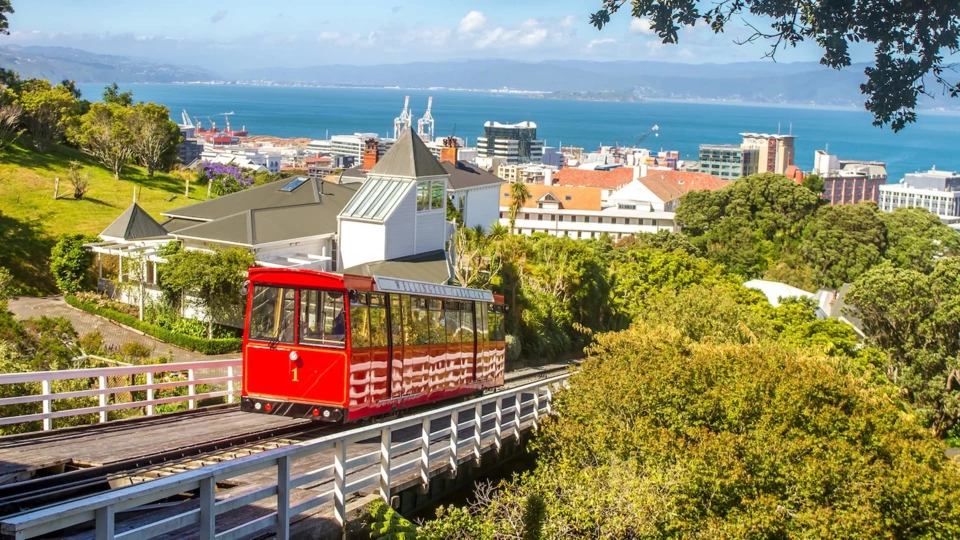

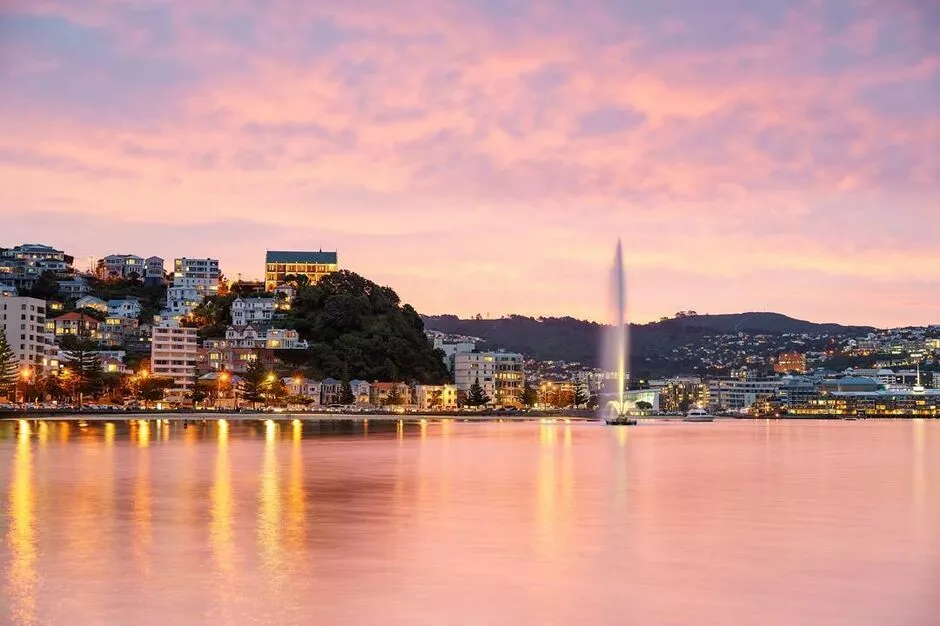
Wellington is New Zealand’s most characterful city. Compact, hilly and perched on the edge of one of the world’s great natural harbours, the capital punches well above its weight in food, culture and creative energy. For yacht charter guests, Wellington offers something no other New Zealand region can: a genuinely world-class urban experience combined with dramatic coastal cruising, abundant marine life and the cinematic landscapes that have made the city the production hub for Peter Jackson’s film empire. Chaffers Marina (185 berths, vessels up to 20 metres) sits in the heart of the city, minutes from Te Papa (the national museum), Cuba Street’s café culture, the craft-beer trail and some of the finest restaurants in the country.
The cruising ground radiates from the harbour in every direction. East across the harbour to Days Bay and Eastbourne – charming seaside villages connected by a coastal cycle trail, with calm water ideal for families. South to the wild, windswept coastline that leads to the fur seal colony at Red Rocks and Sinclair Head. North to Kapiti Island – one of New Zealand’s most important nature reserves, home to 1,200 little-spotted kiwi (extinct everywhere else on the mainland) and eradicated of invasive predators since 1996. And across Cook Strait – the dramatic 22-kilometre channel separating the North and South Islands – where orcas hunt in the tidal rips and the Marlborough Sounds beckon on the far side.
Wellington is famously windy (the world’s windiest city by average wind speed, with gusts that can exceed 35 knots), which gives the cruising a certain edge and the city its restless, creative energy. Your captain knows the conditions intimately and times outings for the calmer windows – February through July offers the least wind, while the harbour itself is well sheltered in all but the strongest southerlies. Enquire with Boatcrowd for availability and pricing on our Wellington fleet.
Why Charter a Yacht in Wellington
New Zealand’s Culinary Capital
Wellington has more restaurants and cafés per capita than New York. The food scene is driven by local produce – green-lipped mussels, rock lobster, Wairarapa lamb, artisan cheeses – and a creative culture that rewards innovation over tradition. Logan Brown (established 1996, in a grand former banking chamber, signature dish: pāua ravioli that has been on the menu since opening day) is the fine-dining institution. Hippopotamus (French-influenced, at QT Wellington) is the special-occasion choice. Charley Noble (wood-fired chargrill and rotisserie in a heritage Post Office Square building) is the smart-casual favourite. The city’s coffee culture is among the best in the world – Caffe L’affare has been roasting on-site since 1990 – and the craft-beer scene is extraordinary: more award-winning breweries within 50 metres of each other than any city on earth. Garage Project’s Aro Taproom, Heyday Beer Co. and Fork & Brewer are the headliners.
Te Papa and the Film Industry
Te Papa Tongarewa (the Museum of New Zealand) is the country’s most-visited attraction, with over two million objects spanning art, natural history, Māori taonga and Pacific cultures. It is free to enter and worth at least half a day. In the Miramar suburb, Weta Workshop offers prop and costume tours from the Lord of the Rings and Hobbit trilogies, while Stone Street Studios, Weta FX and Park Road Post Production make Wellington the film capital of the Southern Hemisphere. Peter Jackson shot key scenes at Mount Victoria (Hobbiton Woods), Kaitoke Regional Park (Rivendell), Dry Creek Quarry (Helm’s Deep, Minas Tirith) and Red Rocks (the Black Gate) – all within a short drive of the harbour.
Kapiti Island Nature Reserve
Kapiti Island, visible from the coast roughly 50 kilometres north of Wellington, is one of New Zealand’s most important bird sanctuaries. Identified as a sanctuary site as early as 1870 and fully cleared of invasive rats in 1996, the island now supports 1,200 little-spotted kiwi (extinct on the mainland), along with stitchbirds, kōkako, takāhe, brown teal, saddlebacks, kaka, kerērū and tūī. A yacht charter to Kapiti combines a coastal cruise with a nature experience of genuine international significance.
Cook Strait: Drama and Wildlife
The 22-kilometre-wide channel between the North and South Islands is one of the most dynamic waterways on earth – tidal currents running up to 6 knots, wind funnelling between mountain ranges, and marine life drawn by the nutrient-rich mixing of the Tasman Sea and the Pacific Ocean. Orcas hunt stingrays in the tidal rips. Baleen whales migrate through in June and July. New Zealand fur seals haul out on the rocky headlands of the Wairarapa coast. For charter guests, Cook Strait is both an awe-inspiring landscape and the gateway to the Marlborough Sounds – the crossing (roughly 52 nautical miles from Wellington to Picton) is a dramatic passage in its own right.
Key Destinations Near Wellington
-
Oriental Bay – Wellington’s closest beach to the CBD, a crescent of golden sand with views across the harbour to the Eastern Hills. Popular with locals December to March. An easy tender ride from Chaffers Marina.
-
Days Bay and Eastbourne – Charming seaside villages across the harbour from the city. Calm water, a narrow beach, cafés, and a 15-minute coastal walk connecting the two. A favourite family day out by yacht.
-
Matiu/Somes Island – A 24.8-hectare predator-free nature reserve roughly 3 kilometres south of Petone, in the middle of the harbour. Loop track with 360-degree views, WWII remnants, native wildlife and a lighthouse. Mooring buoys available for yacht visits. Open daily 8.30 a.m.–5 p.m.
-
Kapiti Island – One of New Zealand’s most valued nature reserves, visible from the coast north of Wellington. Home to 1,200 little-spotted kiwi, stitchbirds, kōkako and takāhe. Predators eradicated 1996. Requires a DOC permit for landing.
-
Red Rocks and Sinclair Head – A rugged coastal area south of the city, home to a New Zealand fur seal colony (primarily bachelor males, best viewing May–October). The 7.4 km return walk from Owhiro Bay passes distinctive red volcanic rocks and reaches the seal haul-out at Sinclair Head.
-
Cook Strait – The 22 km channel between North and South Islands. Orcas, migrating whales and fur seals. The crossing to Picton (52 NM) is one of New Zealand’s great scenic journeys – through Queen Charlotte Sound on the South Island side, flanked by bush-clad hills and silent bays.
Best Time to Charter in Wellington
Peak Season: December to February
Summer brings daytime temperatures of 20–21°C (68–70°F), sea temperatures reaching 17–18°C, and long evenings perfect for on-deck dining. This is Wellington’s festival season, with events throughout the city. Wind can be a factor (October through January tends to be the windiest period), but your captain times outings for the calmer windows and the harbour remains well sheltered.
Shoulder Season: November and March to April
March offers Wellington at its settled best: warmer average temperatures than December, less wind, golden light and a vibrant dining and cultural scene. November brings late-spring freshness and excellent birdlife on Kapiti and Matiu/Somes. Rates are typically softer than peak.
Least Windy Period: February to July
For guests seeking the calmest conditions, February through July sees the lowest average wind speeds. February combines warmth with relative calm. The winter months (June–July) bring baleen whale migrations through Cook Strait and the fur seal colony at Red Rocks at its most populated.
Signature Experiences
-
Te Papa and the Waterfront – New Zealand’s national museum is a five-minute walk from Chaffers Marina. Over two million objects, world-class Māori exhibitions and free entry. Combine with a stroll along the waterfront, through Frank Kitts Park and along the Cuba Street dining and bar precinct.
-
Weta Workshop Tour – Go behind the scenes of the Lord of the Rings production at Peter Jackson’s Miramar studios. Props, costumes, special-effects demonstrations and a gift shop filled with Middle-earth memorabilia. A 15-minute drive from the marina.
-
Craft Beer Trail – Wellington’s craft-beer scene is the best in New Zealand. Garage Project’s Aro Taproom (18 rotating taps), Heyday Beer Co. (converted car park with beanbags and games), Fork & Brewer (42 taps). Your crew arranges a walking tour or transfers.
-
Kapiti Island Bird Sanctuary – Cruise north to Kapiti Island for a day among 1,200 little-spotted kiwi, stitchbirds and kōkako. A nature experience of international significance. DOC permit required; your crew handles the paperwork.
-
Fur Seal Colony at Red Rocks – Cruise south from the harbour to the rugged coastline at Sinclair Head, where New Zealand fur seals haul out on the rocks. Best viewing May–October (bachelor males). A dramatic coastal landscape with distinctive red volcanic rock formations.
Yacht Types Available
-
Motor Yachts (78’–99’) – Well suited to Wellington’s harbour cruising and coastal day trips. Cruising speeds of 18–25 knots reach Kapiti Island, Days Bay or the seal colony in under an hour. All-inclusive crewed charters with water toys, chef and full service. Weekly rates from around $35,000–$55,000.
-
Superyachts (100’+) – Wellington’s harbour offers deep anchorages with shelter from prevailing winds. A superyacht charter combines urban culture and fine dining with the drama of Cook Strait and the wildness of the south coast. MYBA terms; weekly rates from $90,000–$175,000+.
-
Luxury Catamarans (55’+) – Stability in Wellington’s variable conditions, generous deck space for harbour dining and entertaining, and a shallow draft for nosing into Days Bay and the harbour’s sheltered coves. Weekly rates from $35,000–$50,000.
Frequently Asked Questions
How much does a yacht charter in Wellington cost?
Crewed motor yachts (78’–99’) start from around $35,000–$55,000 per week during peak season (December–February). Superyachts (100’+) typically range from $90,000–$175,000+ per week on MYBA terms (plus APA and 15% GST). Luxury catamarans (55’+) start from roughly $35,000–$50,000 per week. Enquire with Boatcrowd for a personalised quote.
Is Wellington too windy for a yacht charter?
Wellington is famously windy, but the harbour itself is well sheltered and your captain knows the conditions intimately. The least windy period is February through July, and even during the windier months (October–January), calm windows are common and the harbour remains comfortable. The wind gives Wellington its character – and the dramatic skies, rushing tides and sense of energy on the water are part of the appeal.
Can I cross Cook Strait on a yacht charter?
Yes, and it is one of New Zealand’s great maritime experiences. The crossing from Wellington to Picton is roughly 52 nautical miles, typically 3–4 hours on a motor yacht. Tidal timing is important (currents run up to 6 knots), and your captain plans the crossing for optimal conditions. The passage through Queen Charlotte Sound on the South Island side – narrow, bush-lined, stunningly beautiful – is worth the voyage alone. Many guests use the crossing to connect a Wellington city charter with a Marlborough Sounds itinerary.
What can I see at Te Papa museum?
Te Papa Tongarewa is New Zealand’s national museum, housing over two million objects spanning art, natural history, Māori taonga (treasures) and Pacific cultures. Highlights include the world-class Māori exhibitions, a colossal squid specimen, and interactive earthquake and volcanic simulations. Entry is free for most exhibitions. Allow at least 2–3 hours, more if you are genuinely interested in New Zealand’s cultural heritage.
Can I visit Kapiti Island on a yacht charter?
Kapiti Island is one of New Zealand’s most important nature reserves, home to 1,200 little-spotted kiwi and numerous other rare native birds. Landing requires a Department of Conservation permit (limited daily numbers), which your crew arranges in advance. The island is roughly 50 kilometres north of Wellington by sea. A day trip combines a coastal cruise with a nature experience of genuine international significance.
Ready to plan your Wellington charter?
Tell us your dates and party size – we'll match you with the right yacht and crew.
3–3.5 hr by road to Opua Marina, Bay of Islands
Every yacht is chartered fully crewed with a professional captain and crew, so no licence or sailing experience is required — you simply step aboard.
Best time to charter New Zealand
Local knowledgeThe Bay of Islands' 144 islands and the Hauraki Gulf shine through the southern summer – big tides, big scenery, world-class sailing culture.
