 Skip to content

 EN
EN  Deutsch
  Français
  Español
  Italiano
  日本語
日本語  Português


St Lucia · In this guide
St Lucia Guide: Luxury Yacht Charter in St Lucia
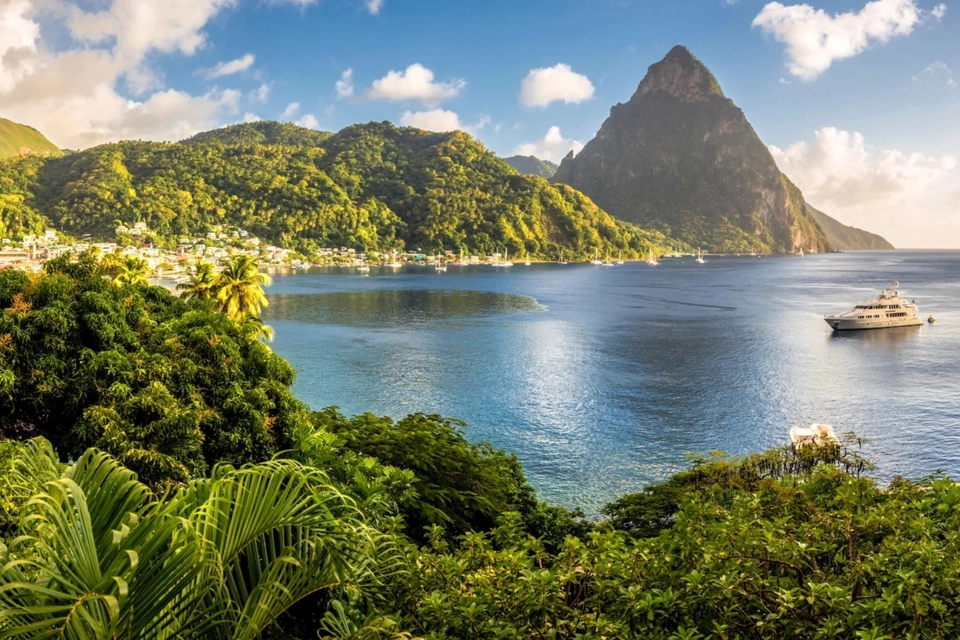
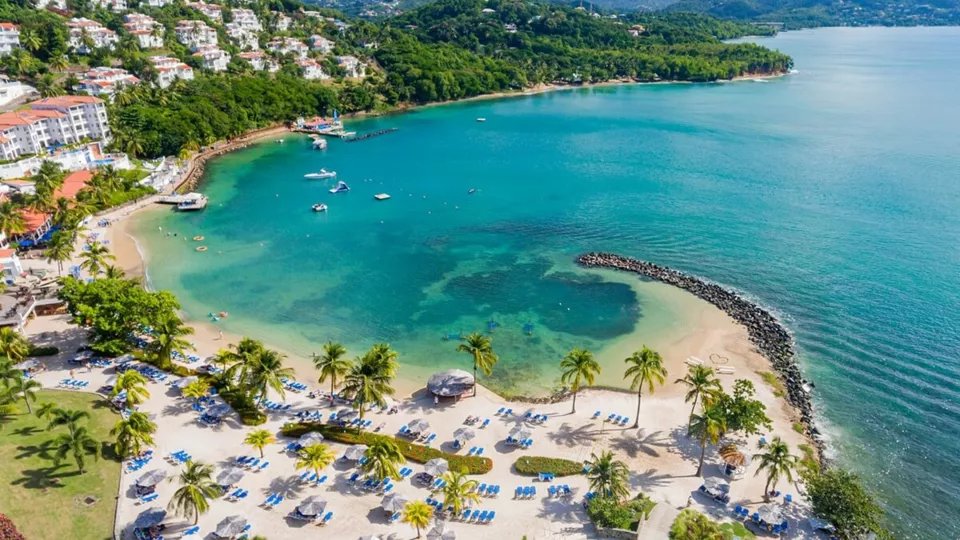

St Lucia is the Caribbean in its most dramatic form. This 617-square-kilometre volcanic island rises from the sea in a riot of lush rainforest, plunging valleys and towering peaks, crowned by the UNESCO-listed Pitons, twin volcanic spires that soar to over 740 metres on the south-west coast and have become the defining image of the Eastern Caribbean. The island sits roughly 40 nautical miles south of Martinique and 21 miles north-east of St Vincent, a strategic midpoint in the Windward Islands chain that has attracted sailors, admirals and adventurers for centuries. Where other Caribbean destinations trade on white sand and turquoise water alone, St Lucia adds geological theatre: sulphur springs that steam in the morning mist, waterfalls hidden in dense rainforest canopy, and a coastline that shifts from sheltered bays to volcanic headlands within a few nautical miles.
The island’s dual French and British colonial heritage has produced a culture that is distinctly its own. French Creole patois colours the conversation, the cuisine blends Creole spice with French technique, and the Friday-night street party in Gros Islet, a tradition running for over 50 years, is the Caribbean’s most authentic weekly jump-up: barbeque smoke, soca music and locals and visitors dancing together until late. For yacht charter guests, St Lucia offers something increasingly rare: a destination where world-class natural beauty, genuine cultural depth and full-service marina infrastructure converge in one compact cruising ground. Rodney Bay Marina in the north-west accommodates superyachts up to 86 metres with 253 berths and 32 megayacht berths, while Marigot Bay, one of the most beautiful natural harbours in the Caribbean, provides 40 berths and 20 heavy-duty mooring buoys rated for 70 tonnes each.
Whether you’re planning a dedicated St Lucia yacht charter to explore the Pitons, the marine reserves and the volcanic interior, or using the island as a waypoint on a broader Windward Islands itinerary that includes Martinique to the north and the Grenadines to the south, this guide covers the cruising ground, the seasons, the experiences and the yachts best suited to these exceptional waters. Start planning your St Lucia charter with Boatcrowd and let our team match you to the perfect vessel and itinerary.
Ready to plan your St Lucia charter?
Tell us your dates and party size, we'll match you with the right yacht and crew.
Why Charter a Yacht in St Lucia
UNESCO Pitons and Volcanic Drama
No anchorage in the Caribbean matches the visual impact of lying at mooring beneath the Pitons. Gros Piton (771 metres) and Petit Piton (743 metres) rise almost vertically from the sea, their flanks cloaked in tropical forest, their summits often wreathed in clouds. The surrounding Soufrière Marine Management Area (SMMA) protects the reefs and maintains five designated mooring zones with buoys, your captain radios the SMMA rangers on VHF 16 to secure a position, and you wake to a view that has graced a thousand travel covers. Ashore, the Soufrière Sulphur Springs offer the surreal experience of bathing in mineral-rich volcanic mud beside steaming fumaroles, the Caribbean’s only drive-in volcano, and a yacht excursion unlike anything else in these waters.
Marigot Bay: Caribbean’s Most Cinematic Harbour
Marigot Bay is the kind of place that silences even seasoned St Lucia charter guests. A narrow entrance channel opens into a palm-fringed natural harbour surrounded by steep, jungle-clad hills, so perfectly sheltered that the British Navy once evaded the French fleet by hiding an entire squadron here, camouflaging the masts with palm fronds. The bay served as a location for the 1967 film Doctor Dolittle, and its beauty has drawn yacht owners ever since. Today the Marigot Bay Marina offers luxury resort amenities, a spa, fine dining and an infinity pool, with customs and immigration processed on-site. It is recognised as one of the Caribbean’s most secure hurricane anchorages.
Short Passages, Sheltered Anchorages
St Lucia’s west coast is naturally sheltered from the prevailing north-east trade winds, creating calm conditions ideal for motor yachts and catamarans. The major anchorages, Rodney Bay, Marigot Bay, Anse Cochon and Soufrière, are spaced just 7 to 15 nautical miles apart, meaning daily passages rarely exceed two hours at cruising speed. This compact layout suits families, first-time charter guests and anyone who prefers to spend their time at anchor rather than in transit. Water temperatures remain a comfortable 26 to 29°C year-round, and the west-coast reefs offer outstanding snorkelling directly from the yacht’s swim platform.
French Creole Culture Meets British Island Charm
St Lucia changed hands between Britain and France 14 times before finally becoming British in 1814, and that Franco-British tug of war produced a culture rich in both traditions. Place names are French, the legal system is based on English common law, cricket is the national sport, and the cuisine is a glorious fusion of Creole spice and French technique. The St Lucia island has produced two Nobel laureates, poet Derek Walcott and economist Sir Arthur Lewis, and the arts scene, from the annual Jazz and Arts Festival to the vibrant Gros Islet street party, adds cultural texture that elevates a St Lucia yacht charter well beyond the typical sun-and-sand Caribbean experience.
Top Destinations Near St Lucia
- Marigot Bay, One of the Caribbean’s most beautiful natural harbours, surrounded by steep green hillsides and palm groves. The Marigot Bay Marina offers 40 berths and 20 mooring buoys rated for 70 tonnes each, with luxury resort amenities, a spa and fine dining. The narrow entrance channel opens into a perfectly sheltered basin, ideal for overnight stays, provisioning and water sports in calm, protected water. Immigration and customs are processed on-site.
- Rodney Bay and Pigeon Island, The island’s premier marina destination, with IGY Rodney Bay Marina offering 253 berths including 32 megayacht berths for vessels up to 86 metres. Pigeon Island National Landmark, a 44-acre historic park connected by causeway, features the ruins of Fort Rodney, Signal Peak at 100 metres for panoramic views, two swimming beaches and hiking trails through tropical forest. The marina complex offers restaurants, bars, chandlery and provisioning, and serves as the finish line for the Atlantic Rally for Cruisers (ARC) each November.
- Soufrière and the Pitons, The UNESCO-listed twin volcanic spires of Gros Piton (771 metres) and Petit Piton (743 metres) frame the most dramatic anchorage in the Eastern Caribbean. The Soufrière Marine Management Area maintains five mooring zones with buoys, a Coral Conservation Permit is required, purchased from SMMA rangers on VHF 16. Ashore, the Sulphur Springs offer therapeutic volcanic mud baths, while the historic town of Soufrière has Creole restaurants, a colourful market and the Diamond Botanical Gardens with its famous waterfall and mineral baths.
- Anse Chastanet, Home to one of the Caribbean’s finest shore-access reefs, with over 150 tropical fish species visible in depths from 1.5 to 42 metres. The reef begins just 15 metres from the beach and extends along a dramatic wall drop-off. The PADI five-star dive centre at the adjacent resort offers guided snorkelling, two-tank boat dives and certification courses. Superman’s Flight, a drift dive at the base of Petit Piton through soft corals and sponge-encrusted rock formations, is regularly rated among the Caribbean’s top dive sites.
- Sugar Beach (Jalousie Bay), A luxury beach tucked directly between the Pitons in the Anse des Pitons Marine Reserve. White sand, crystal-clear water and a backdrop that defies description. Non-motorised water sports, kayaking, paddleboarding and snorkelling, are available from the beach cabana, and the resort offers fine dining and spa services accessible to visiting yacht guests. Daytime anchoring in 3.5 to 4.5 metres over sand; part of the wider SMMA regulations.
- Anse Cochon, A tranquil west-coast bay between Marigot and Soufrière, with SMMA mooring buoys and excellent snorkelling on the southern reef. The Ti Kaye Resort perched on the hillside above offers boutique dining and spa services. This is one of St Lucia’s quieter anchorages, perfect for a peaceful overnight midway through a south-coast passage, and an ideal lunch-stop for day charters heading towards the Pitons.
- Pigeon Island National Landmark, A 44-acre historic park on the north-west coast, connected to the mainland by a man-made causeway. The ruins of 18th-century Fort Rodney, built during the Anglo-French battles for Caribbean supremacy, sit at the summit of Signal Peak, offering sweeping views across to Martinique on a clear day. Two sheltered beaches, hiking trails and a small museum round out the experience. Anchor in Rodney Bay and dinghy across for a half-day excursion.
Best Time to Charter a Yacht in St Lucia
Peak Season: December to April
The Caribbean dry season delivers warm, settled weather with temperatures of 26 to 32°C, north-east trade winds of 15 to 25 knots, low humidity and minimal rainfall. Water temperatures sit at 26 to 27°C. This is the most popular charter period, coinciding with the arrival of the Atlantic Rally for Cruisers (ARC) at Rodney Bay each November/December and the island’s peak social season. The St Lucia Jazz and Arts Festival (late April to early May) draws international acts to intimate venues across the island, adding cultural depth to late-season charters. Book 4 to 6 months in advance for peak-season availability.
Shoulder Season: May to June and November
May and June mark the transition to the wetter pattern, but conditions remain warm (28 to 31°C) and largely sunny, with brief tropical showers that clear quickly. Anchorages are noticeably quieter and the island’s lush vegetation is at its most vibrant. November sits at the tail end of hurricane season but typically brings settled weather and excellent visibility. St Lucia Carnival (May to June), with street parades, soca music and elaborate costumes, adds festive energy to shoulder-season visits. The Gros Islet Friday Night Street Party runs year-round.
Hurricane Season: July to October
The official Atlantic hurricane season runs from 1 June to 30 November, with peak risk in September and early October. St Lucia rarely experiences direct hurricane hits due to its southerly position in the Windward Islands, but the season brings increased rainfall (typically afternoon showers), variable winds and warmer water temperatures reaching 29°C. Charter availability is more limited. The sheltered west-coast anchorages and Marigot Bay’s hurricane-hole designation make St Lucia a safer option than many islands during this period.
Signature Experiences
- Sunrise Beneath the Pitons, Have your captain secure a Soufrière SMMA mooring the evening before and wake to the first light striking the volcanic spires. As dawn colours shift from gold to green across the jungle-cloaked slopes, slip off the swim platform for a morning snorkel over the reef. Your chef has fresh tropical fruit, café crème and warm croissants waiting on the aft deck. No hotel can replicate this view.
- Sulphur Springs Volcanic Mud Bath, Tender ashore at Soufrière and drive ten minutes to the Caribbean’s only drive-in volcano. Walk between steaming fumaroles and bubbling pools, then immerse yourself in mineral-rich volcanic mud said to have therapeutic properties. Entry is approximately $10 USD, and the experience is unlike anything else in the region, geological drama meets spa indulgence.
- Snorkelling Anse Chastanet Reef, Cruise to this premier marine park and slip into water alive with over 150 species of tropical fish. The reef begins just metres from the beach and drops away along a dramatic wall to 42 metres. For certified divers, Superman’s Flight, a drift dive at the base of Petit Piton through soft corals and sponge formations, is a Caribbean bucket-list experience.
- Diamond Falls and Rainforest Waterfall Hike, Visit the six-acre Diamond Botanical Gardens in the Soufrière Valley, where mineral-laden water cascades over iron and copper deposits, turning the falls a shifting palette of gold, green and violet. Nature trails wind through tropical plants and ancient trees, and the on-site mineral baths date back to 1784. Combine with a visit to Toraille Waterfall, a 20-metre cascade into a natural swimming pool, reached by a short jungle trail.
- Friday Night Street Party in Gros Islet, Anchor in Rodney Bay and tender to the village of Gros Islet for the Caribbean’s most authentic weekly jump-up. Barbeque smoke fills the streets as vendors grill fresh fish, lambi (Creole conch) and chicken on roadside drums. Soca and reggae pour from every speaker, locals and visitors dance together, and cold Piton beer flows freely. The party has been running for over 50 years and starts at sunset every Friday.
- Chocolate and Cocoa Estate Tour, St Lucia’s volcanic soil and tropical climate produce exceptional cocoa. Visit a working estate in the Soufrière Valley to follow the bean-to-bar process, from harvesting and fermenting to roasting and tempering. Sample single-origin chocolate made on-site, and bring bars back to the yacht as the finest edible souvenir in the Caribbean.
Yacht Types Available
Motor Yachts (55’-99’)
Median weekly rate $163,500. Base rate, before APA and tax.
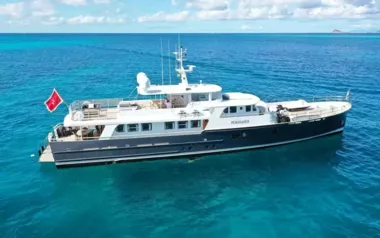
The ideal platform for exploring St Lucia’s sheltered west coast. Crewed motor yachts in this range typically accommodate 6 to 8 guests in 3 to 4 en-suite cabins, with a crew of 3 to 5. Cruising speeds of 18 to 25 knots cover the 15 nautical miles from Rodney Bay to the Pitons in under an hour. Rates are inclusive of crew but typically exclusive of fuel, food, beverages and mooring fees (budgeted as an Advance Provisioning Allowance, a median of 35% of the charter fee across the yachts listed in St Lucia).
Superyachts (100’+)
Rodney Bay Marina’s 32 megayacht berths accommodate vessels up to 86 metres, with full-service facilities including three-phase power, high-speed fuelling and 24/7 security. Superyacht charters in St Lucia come with full professional crew, premium water toys, tenders and a level of service that transforms the Pitons and marine reserves into a private-access experience. The island’s proximity to Martinique and the Grenadines makes it an ideal start or end point for longer Windward Islands superyacht itineraries.
Luxury Catamarans (55’+)
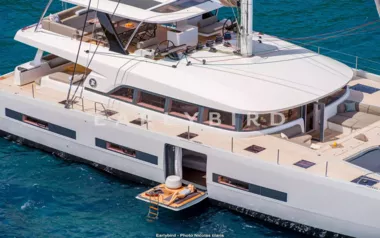
Power catamarans and luxury sailing catamarans (we focus on the powered variety) offer exceptional stability, spacious deck areas and shallow drafts that suit St Lucia’s diverse anchorages, from the deep mooring zones off Soufrière to the shallower waters of Rodney Bay Lagoon. Crewed catamarans of 55 feet and above are an outstanding option for families and groups who value indoor-outdoor living and fuel efficiency on longer yacht passages to Martinique or the Grenadines.
Frequently Asked Questions
When is the best time to charter a yacht in St Lucia?
December to April offers the most reliable weather, warm, dry conditions with stable north-east trade winds and comfortable water temperatures of 26 to 27°C. May and November are excellent shoulder months with fewer boats at anchor. The St Lucia Jazz and Arts Festival in late April/early May and the ARC finish in November/December add event interest to either end of the peak season.
Do I need a visa to charter in St Lucia?
Citizens of the United States, United Kingdom, Canada and the European Union do not require a visa for stays of up to six weeks (US/UK/Canadian) or 90 days (EU). A valid passport is required. Other nationalities should check specific entry requirements with the St Lucia immigration authority before booking.
Can you visit the Pitons by yacht?
Yes, and it is the finest way to experience them. The Soufrière Marine Management Area (SMMA) maintains five designated mooring zones with buoys in the waters surrounding the Pitons. Yacht anchoring is not permitted in the marine reserves; instead, your captain secures a mooring buoy and obtains a Coral Conservation Permit from the SMMA rangers via VHF 16. Overnight mooring is available, and the sunrise view from the aft deck is simply unmatched.
What currency is used in St Lucia?
The official currency is the East Caribbean Dollar (EC$), pegged to the US Dollar at a rate of 1 USD = EC$2.70. US dollars are widely accepted across the island, at marinas, restaurants and tour operators, and credit cards are taken at most establishments. It’s helpful to carry some cash for smaller vendors, local markets and tips.
Is St Lucia suitable for a family charter?
Absolutely. The calm, sheltered anchorages of the west coast are ideal for children, with gentle waters for swimming and paddleboarding. Pigeon Island offers easy hiking and beach exploration, the mud baths at Sulphur Springs are entertaining for all ages, and the snorkelling at Anse Chastanet is accessible even for beginners in shallow, protected water. Most charter yachts can provide child-safe equipment and family-adapted menus on request.
How far is St Lucia from neighbouring islands?
Martinique lies roughly 25 nautical miles to the north, a 4 to 6 hour passage at cruising speed (or 1.5 hours by fast ferry). St Vincent and the Grenadines are approximately 40 nautical miles to the south. Multi-island charters combining St Lucia with Martinique (north) or the Grenadines (south) are popular 7- to 10-day itineraries, with the island serving as an ideal central hub.
What are the marina facilities like?
Rodney Bay Marina (operated by IGY Marinas) offers 253 berths including 32 megayacht berths for vessels up to 86 metres, with three-phase power, high-speed fuelling, 24/7 security, restaurants, bars, a chandlery and full provisioning. Marigot Bay Marina provides 40 berths and 20 mooring buoys (rated for 70 tonnes), with luxury resort amenities, a spa and customs/immigration on-site. Both marinas offer Wi-Fi, laundry and professional concierge services.
Ready to plan your St Lucia charter?
Tell us your dates and party size, we'll match you with the right yacht and crew.
70 to 75 min by road to Rodney Bay Marina
Every yacht is chartered fully crewed with a professional captain and crew, so no licence or sailing experience is required, you simply step aboard.
Best time to charter St Lucia
Local knowledgeAnchoring beneath the Pitons is one of yachting's signature moments. Pair it with Marigot Bay's palm-fringed shelter and Friday's fish fry at Anse La Raye.
