 Skip to content

 EN
EN  Deutsch
  Français
  Español
  Italiano
  日本語
日本語  Português


Rijeka · In this guide
Rijeka Guide: Luxury Yacht Charter in Rijeka and the Kvarner Gulf


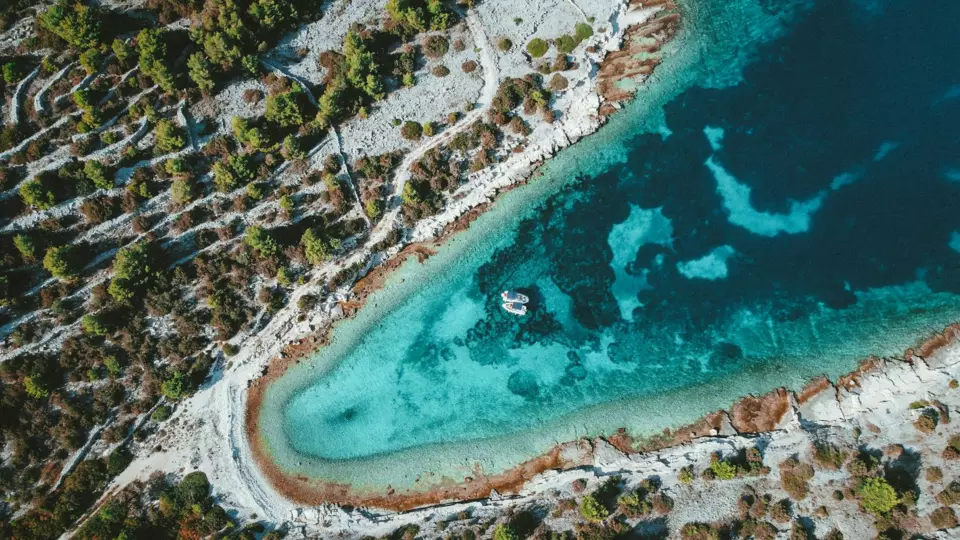
The Kvarner Gulf is Croatia’s northern Adriatic, sheltered by the Istrian peninsula to the west and the Velebit mountains to the east – a cruising ground that feels worlds apart from the busy Dalmatian hotspots to the south. Where Split and Dubrovnik draw the headlines, the Kvarner rewards with something rarer: green, forested islands, resident bottlenose dolphins, medieval walled towns that see a fraction of the visitor numbers, and the Habsburg‑era elegance of Opatija – once the winter retreat of the Austrian‑Hungarian aristocracy, still lined with belle‑époque villas and palm‑shaded promenades.
The islands of the Kvarner are the stars: Cres (Croatia’s second‑largest island, wild and green, with a resident population of endangered Eurasian griffon vultures), Lošinj (31 km long, famously perfumed with rosemary and pine, home to over 200 bottlenose dolphins studied by the Blue World Institute), Rab (with its medieval old town of four bell towers resembling a ship’s masts, and one of the few sandy‑beach islands on the Adriatic) and Krk (the largest Croatian island, connected to the mainland by bridge and home to the region’s airport). The distances are manageable: Rijeka to Cres Town is roughly 20 nautical miles, Lošinj’s harbour at Mali Lošinj is 30 nautical miles, and Rab Town is about 35 nautical miles – all comfortable half‑day passages or shorter.
Marina infrastructure is solid: ACI Marina Opatija (302 berths, in the village of Ičići) puts you within walking distance of Opatija’s waterfront, and Marina Punat on Krk – Croatia’s oldest marina, established in 1964, with nearly 800 berths – is one of the most sheltered and best‑equipped facilities on the coast. Enquire with Boatcrowd for availability and pricing on our Kvarner fleet.
Why Charter a Yacht in the Kvarner Gulf
Dolphins, Griffon Vultures and Unspoilt Nature
The Cres–Lošinj archipelago is home to over 200 resident bottlenose dolphins – one of the most studied and reliable populations in the Mediterranean. The Blue World Institute, based on Lošinj since 1999, runs the longest ongoing bottlenose dolphin study in the Mediterranean Sea and operates the Lošinj Marine Education Centre. On calm mornings, your captain can position the yacht in known feeding grounds and you watch pods surface and play from the flybridge. Cres also supports one of the last colonies of Eurasian griffon vultures in the Mediterranean, nesting on the island’s dramatic eastern cliffs. The combination of marine and terrestrial wildlife in a single cruising ground is exceptional.
Medieval Island Towns with a Fraction of the Crowds
Rab Town is one of the most beautiful medieval settlements on the Adriatic: four distinctive bell towers (the tallest, the campanile of the Cathedral of the Assumption, is 26 metres high, consecrated in 1177) rise above narrow cobbled streets lined with Romanesque churches, Venetian palaces and flower‑draped balconies. The town hosts the Rapska Fjera every July – a medieval festival with costumed parades and knightly tournaments, celebrating traditions dating back to 1364. Cres Town, Osor (the ancient canal‑town connecting Cres and Lošinj, built by the Romans for the Amber Route) and Mali Lošinj all offer similar charm at a fraction of Dubrovnik’s or Hvar’s visitor numbers.
Opatija: Habsburg Elegance on the Water
Opatija was officially declared the first climatic seaside resort on the Austrian Riviera in 1889, and its belle‑époque heritage is still very much alive. The Lungomare – a 12‑kilometre seaside promenade linking Volosko to Lovran – winds past Habsburg‑era villas, subtropical gardens and secluded swimming coves. Emperor Franz Joseph I and Prussian Emperor Wilhelm II met here in 1903. The town’s restaurants (Bevanda, Plavi Podrum in nearby Volosko) serve some of the finest seafood on the Adriatic. Arriving at Opatija by yacht, with the belle‑époque waterfront unfolding as you approach, is a quietly spectacular experience.
Sheltered Cruising for All Conditions
The Kvarner Gulf is enclosed on three sides, creating a naturally sheltered cruising ground. The bura (a cold, dry north‑easterly wind that can be fierce in the open Adriatic) is a factor to watch in the Kvarner, but your captain knows the protected anchorages on the lee side of each island. In summer, conditions are typically calm and predictable, with light thermal breezes. The island‑hopping distances are short, and the variety of harbours means there is always a sheltered berth nearby.
Key Destinations Near Rijeka
-
Opatija – Walking distance from ACI Marina Opatija (Ičići). Habsburg‑era villas, the Lungomare promenade, fine‑dining seafood restaurants and a sheltered waterfront. A natural first‑ or last‑night stop.
-
Cres – Roughly 20 nautical miles south‑west. Croatia’s second‑largest island, wild and forested, with griffon vulture colonies on the eastern cliffs and the atmospheric towns of Cres and Osor. The medieval town of Osor sits on the narrow canal between Cres and Lošinj – a bridge opens twice daily for yacht traffic.
-
Lošinj – 30 nautical miles south‑west. Famous for its aromatic gardens, mild microclimate and resident dolphin population. Mali Lošinj is a lively harbour town; Veli Lošinj is quieter, with dolphin‑watching departures from the small harbour.
-
Rab – Roughly 35 nautical miles south. Medieval old town with four bell towers, sandy beaches (a rarity in Croatia), and the annual Rapska Fjera medieval festival in July.
-
Krk – Connected to the mainland by bridge. Croatia’s largest island, home to Marina Punat (Croatia’s oldest marina, nearly 800 berths) and the charming old town of Krk. Rijeka Airport is located on the island.
-
Ilovik – South of Lošinj, between Lošinj and Silba. Famous as the most popular anchorage in the northern Adriatic, with turquoise water in the shallow channel between Ilovik and the islet of Sveti Petar. Eighty mooring buoys in a car‑free, timeless setting.
Best Time to Charter in the Kvarner Gulf
Peak Season: July and August
The warmest months (26–32°C / 79–90°F) with the calmest seas. Sea temperatures reach 24–25°C. Dolphin sightings are most frequent. Rab’s medieval festival takes place in late July. The Kvarner is noticeably less crowded than Dalmatia even at peak.
Shoulder Season: May–June and September–October
Pleasant and warm (20–27°C), with excellent conditions for exploring Cres, Lošinj and Rab in peace. Dolphins are active throughout this period. Rates are 15–25% softer. The bura is less frequent in summer months but can occur unexpectedly – your captain monitors forecasts closely.
Early and Late Season: April and November
Mild days (14–20°C) and very few other boats. Opatija’s restaurants and the Lungomare promenade are enjoyable year‑round. Ideal for cultural exploration and nature‑focused charters.
Signature Experiences
- Dolphin Watching off Lošinj – Your captain positions the yacht in the known feeding grounds of the Cres–Lošinj dolphin population. Watch from the flybridge as pods of bottlenose dolphins surface, play and feed around the bow. The Blue World Institute’s marine education centre on Lošinj is worth a visit to learn about the research.
- Rab Town at Sunset – Approach Rab’s medieval waterfront by yacht as the four bell towers catch the late‑afternoon light. Berth at the town quay and walk the narrow lanes past Romanesque churches and Venetian palaces. Dinner at a harbourside terrace with the towers silhouetted against the evening sky.
- Osor Canal Passage – Navigate the ancient canal between Cres and Lošinj, built during the Roman era. The swing bridge opens twice daily and your yacht glides through the narrow channel between the two islands, with the medieval town of Osor on either side.
- Ilovik Turquoise Anchorage – Anchor in the famously turquoise shallows between Ilovik and Sveti Petar. This car‑free island, with its garden‑draped houses and flower‑lined paths, is the most photographed anchorage in the northern Adriatic.
- Griffon Vulture Watch, Cres – Cruise along the dramatic eastern cliffs of Cres, where one of the last griffon vulture colonies in the Mediterranean nests. These magnificent birds (wingspan up to 2.8 metres) soar on the thermal updrafts along the clifftop. Your captain keeps a respectful distance while you watch through binoculars from the sun deck.
Yacht Types Available
-
Motor Yachts (78’–99’) – Quick and comfortable for covering the Kvarner’s island‑hopping distances. All‑inclusive crewed charters with water toys, chef and full service. The speed to reach Lošinj, Rab and Cres within a few hours.
-
Superyachts (100’+) – For guests seeking the ultimate Kvarner experience: complete privacy, expansive deck space and a crew that knows every sheltered anchorage. ACI Marina Opatija and Marina Punat on Krk offer berths for larger vessels.
-
Luxury Catamarans (55’+) – Stable, spacious and perfect for the Kvarner’s sheltered waters and shallow bays. Catamarans offer the most comfortable ride in the event of a bura gust and generous deck space for dolphin watching.
Frequently Asked Questions
How much does a yacht charter from Rijeka cost?
Crewed motor yachts (78’–99’) start from around $30,000–$55,000 per week during peak season. Superyachts (100’+) typically range from $90,000–$175,000+ per week on MYBA terms (plus APA and 13% Croatian VAT). Luxury catamarans (55’–80’) start from roughly $35,000–$50,000 per week. Shoulder‑season rates are 15–25% softer. Enquire with Boatcrowd for a personalised quote.
Can I see dolphins on a yacht charter in the Kvarner?
The Cres–Lošinj archipelago is home to over 200 resident bottlenose dolphins, studied by the Blue World Institute since 1999. Sightings are common from May through October, especially in the channels between Cres and Lošinj. Your captain knows the feeding grounds and can position the yacht for the best viewing opportunities. The dolphins are wild and free‑roaming, so encounters are never guaranteed, but they are frequent – it is one of the most reliable wild‑dolphin locations in the Mediterranean.
What is the bura wind and should I be concerned?
The bura is a cold, dry north‑easterly wind that accelerates down mountain slopes and can reach significant speeds. It is most common between September and May and relatively rare in the peak summer months. When it blows, the Kvarner’s islands provide natural shelter – your captain knows the protected bays on the lee side of each island and monitors forecasts closely. In summer, the bura is typically a short‑lived local event. It is not a reason to avoid the Kvarner, but it is a reason to charter with an experienced captain.
Is the Kvarner suitable for a multi‑generational family charter?
The Kvarner is one of the best family cruising grounds in the Mediterranean. Rab’s sandy beaches (a rarity in Croatia) are safe for children, Lošinj’s dolphin encounters are magical for all ages, and the short island‑hopping distances keep travel time to a minimum. The Rapska Fjera medieval festival (late July) is a highlight for older children. Catamarans are especially popular for family groups in the Kvarner.
Can I combine a Kvarner charter with a trip to Istria?
Absolutely. The Istrian peninsula is adjacent to the Kvarner Gulf, and destinations like Rovinj (one of the most beautiful harbour towns on the Adriatic), Pula (with its remarkably preserved 1st‑century Roman amphitheatre) and the truffle‑rich interior are all within cruising distance. A combined Kvarner–Istria charter offers dolphins and medieval island towns alongside Venetian fishing villages and one of Europe’s great food regions.
Ready to plan your Rijeka charter?
Tell us your dates and party size – we'll match you with the right yacht and crew.
25–40 min by road from Split Airport to the Split/Trogir marinas
Every yacht is chartered fully crewed with a professional captain and crew, so no licence or sailing experience is required — you simply step aboard.
Best time to charter Croatia
Local knowledgeExpect glassy mornings and a reliable afternoon maestral – ideal rhythm for island-hopping the Dalmatian coast between Split and Dubrovnik.
