 Skip to content

 EN
EN  Deutsch
  Français
  Español
  Italiano
  日本語
日本語  Português


Croatia · In this guide
Croatia Guide: Luxury Yacht Charter in Croatia
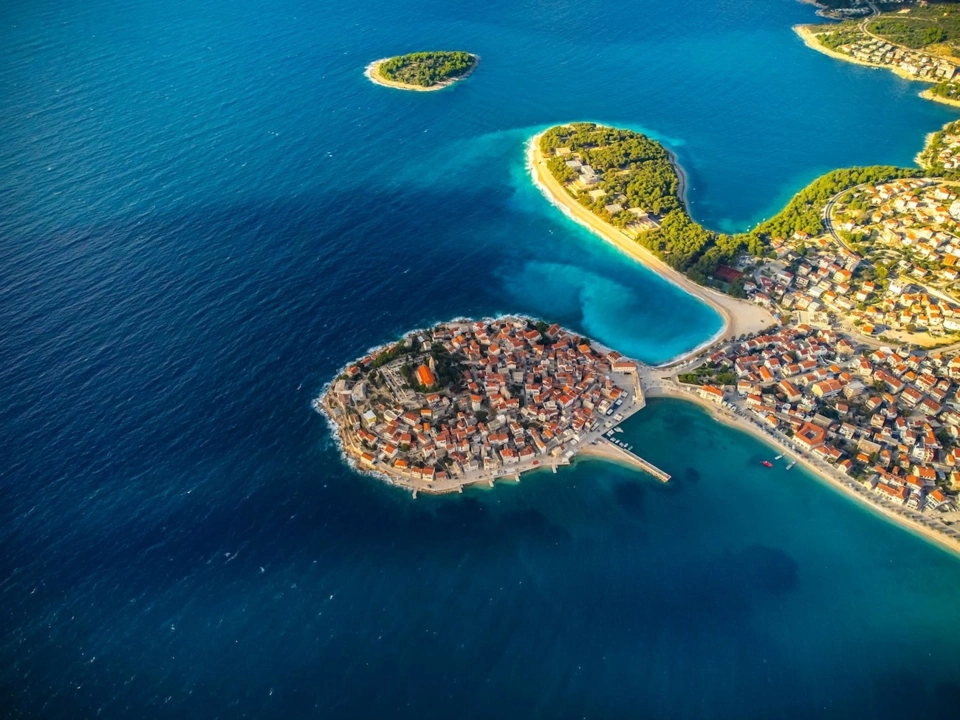
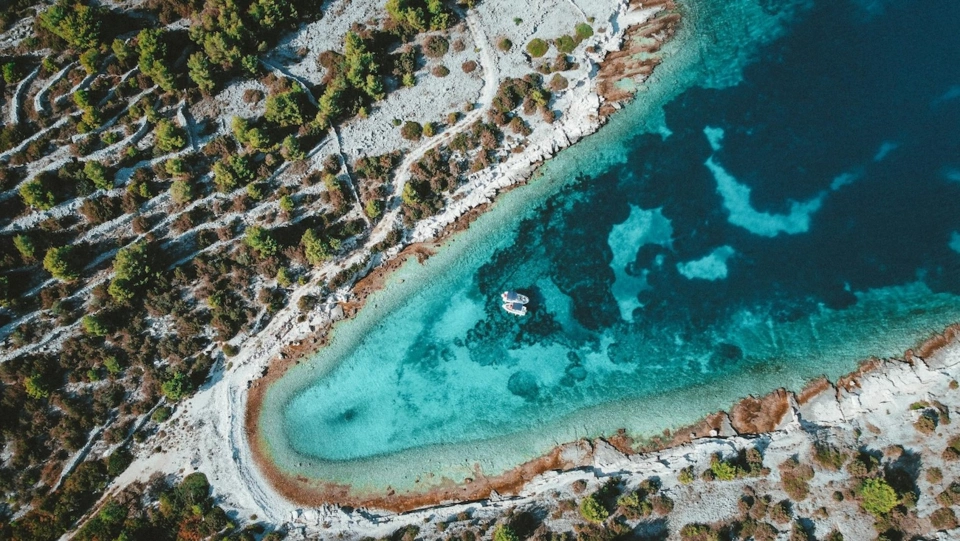
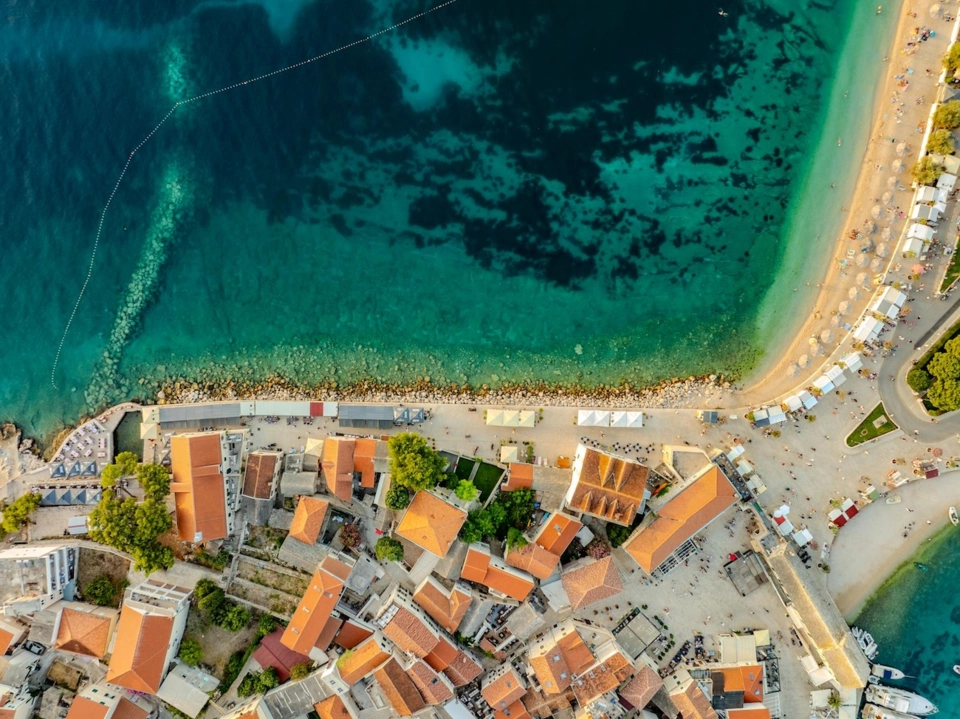
Croatia’s Adriatic coastline is one of those rare cruising grounds where you could charter for a month and still find a new bay every morning. Stretching roughly 5,800 kilometres when you count the islands – and there are 1,244 of them, from inhabited outposts with medieval walled towns to sun‑bleached rocks where the only residents are seabirds – the Croatian coast packs an almost unfair density of clear water, sheltered anchorages and genuinely fascinating history into a strip of sea barely 50 nautical miles wide. Split’s Diocletian’s Palace, Dubrovnik’s Renaissance ramparts, Trogir’s island‑old‑town, the ancient Greek agricultural plain on Hvar: four UNESCO World Heritage Sites within comfortable cruising distance, each best approached from the water.
What sets Croatia apart from other Mediterranean destinations is the sheer variety compressed into short hops. From the sheltered, dolphin‑rich waters of the Kvarner Gulf in the north, through the Kornati archipelago’s 89 uninhabited islands, past Split’s central Dalmatian playground of Hvar, Vis and Brač, and south to Dubrovnik’s Elafiti Islands and the wine‑soaked Pelješac peninsula – the character of the coast changes every few hours of cruising. Distances are manageable: Split to Hvar Town is 19 nautical miles (roughly an hour on a motor yacht at 20 knots), Hvar to Vis is 25 nautical miles, and even the long run from Split to Dubrovnik is only 85 nautical miles – a comfortable half‑day passage or an overnight repositioning. Croatia adopted the euro in January 2023, making provisioning and port fees straightforward, and direct flights from London, Frankfurt, Paris and dozens of other European cities serve Split, Dubrovnik, Zadar and Rijeka airports throughout the season.
Croatia also happens to be the world’s largest catamaran charter market, with a fleet of crewed power catamarans from Sunreef and Lagoon that is unmatched anywhere in the Mediterranean. Combined with a deep bench of modern motor yachts and superyachts, there is a vessel for every group and every occasion. Whether you’re planning a long weekend from Split, a week‑long island‑hopping adventure through central Dalmatia, or a grand voyage from Dubrovnik to the Kornati, this guide covers every region in detail – seasons, distances, signature experiences, and the yachts best suited to each cruising ground. Start planning your Croatia charter with Boatcrowd and let our team match you to the perfect yacht and itinerary.
Why Charter a Yacht in Croatia
1,244 Islands and a Coastline Made for Cruising
The Croatian coast reads like a greatest‑hits album of Mediterranean geography. From the pine‑draped headlands of the Kvarner Gulf to the sheer limestone cliffs of the Kornati and the honey‑coloured harbours of southern Dalmatia, no two stretches look the same. Roughly 67 islands are permanently inhabited, which means the vast majority are yours to explore by tender and snorkel – deserted bays, quiet coves and beaches accessible only from the sea. The Adriatic’s prevailing summer conditions – light maestral breezes building gently through the morning, fading by evening – keep the water calm and the passages comfortable. Sea temperatures climb to 25–26°C by August, and the visibility is exceptional: 15–30 metres in the outer islands, where Posidonia meadows and rocky reef support colourful marine life.
Compact Distances, Dramatic Variety
Few Mediterranean destinations let you change worlds so quickly. A morning in Split – espresso in the courtyard of a 1,700‑year‑old Roman palace – can become an afternoon snorkel in the electric‑blue light of the Blue Cave on Biševo (44 nautical miles), or a sunset cocktail on Hvar’s Riva watching the superyachts swing at anchor (19 nautical miles). Dubrovnik to the Elafiti Islands is barely 7 nautical miles. Zadar to the Kornati National Park is roughly 15 nautical miles. Your captain can design a week that includes Roman ruins, a national park, a Michelin dinner, a beach that featured in a Hollywood film, and a wine tasting in a 14th‑century cellar – without a single passage longer than three hours.
Four UNESCO World Heritage Sites from the Water
Diocletian’s Palace in Split (inscribed 1979) is the world’s most complete Roman palace complex, built between 295 and 305 CE as a retirement villa for the emperor. Dubrovnik’s Old Town (1979) sits behind nearly two kilometres of uninterrupted medieval walls, rising 25 metres above the harbour. Trogir (1997) is an entire island old town frozen in Romanesque and Renaissance stone. And the Stari Grad Plain on Hvar (2008) preserves a Greek agricultural landscape laid out in the 4th century BC – the oldest continuously cultivated plain in the Mediterranean. All four are best appreciated from the sea, where your yacht becomes the vantage point and the tender becomes the shore excursion.
A Food and Wine Culture Worth Travelling For
Croatian cuisine along the coast is Dalmatian at heart: slow‑roasted lamb and octopus under a peka bell lid, pašticada (a sweet‑and‑sour beef stew braised with prunes and red wine, served with hand‑rolled gnocchi), crni rižot (squid‑ink risotto with a briny depth that improves with every mouthful), and seafood so fresh your chef can source it from the morning’s catch at any harbour. The Pelješac peninsula produces Croatia’s finest reds – Dingač, made from the indigenous Plavac Mali grape on steep, sun‑baked southern slopes, was the first Croatian wine protected by law (1961) – and the oyster beds of Mali Ston have been farmed since Roman times. On Hvar, award‑winning olive oils come from groves that predate the Venetian Republic, and on Vis you’ll find konoba restaurants where the lobster in your pot was swimming that morning.
Privacy, Pace and a Discreet Service Culture
Croatia’s popularity has grown enormously, but the beauty of a yacht charter is that you are always one cove ahead of the crowds. Even at the height of August, your captain knows the anchorages where the day boats never reach – the south side of Ščedro, the hidden inlets of the Pakleni Islands, the empty bays of Lastovo. The service culture is warm and understated: crews are multilingual, locally knowledgeable, and attuned to guests who value discretion. Game of Thrones brought global attention to Dubrovnik and Split, but the coast has been quietly hosting heads of state, tech founders and European royalty for years. Your yacht is your private floating villa – no queues, no reservations needed for the best beach, and every sunset is front row.
Top Destinations in Croatia
-
Split – Croatia’s second city and the gateway to central Dalmatia. Home to Diocletian’s Palace (UNESCO, 295–305 CE), a thriving waterfront, and marina infrastructure that accommodates superyachts up to 90 metres. From Split you can reach Brač (7.5 nm), Hvar (19 nm), Vis (30 nm) and the Pakleni Islands in a single day. The widest choice of charter yachts in the country departs from Split, Trogir and Kaštela.
-
Dubrovnik – The ‘Pearl of the Adriatic’, famous for nearly two kilometres of medieval walls (UNESCO, 1979), Game of Thrones filming locations, and the unspoilt Elafiti Islands just 7 nautical miles offshore. Southern Dalmatia’s cruising ground extends to Korčula, Mljet National Park and the Pelješac wine peninsula. A natural starting point for voyages that combine Croatian waters with a crossing to Montenegro’s Bay of Kotor.
-
Zadar – Northern Dalmatia’s underrated gem, where Alfred Hitchcock reportedly declared the sunset ‘the most beautiful in the world, more beautiful than Key West’. The Sea Organ and Sun Salutation installations on the waterfront are worth the visit alone, but the real draw is the Kornati National Park – 89 islands and reefs forming one of the most extraordinary archipelagos in the Mediterranean – and the pristine Telašćica Nature Park on Dugi Otok, with its salt lake, towering cliffs and white‑sand Sakarun beach.
-
Rijeka and the Kvarner Gulf – Croatia’s northern Adriatic, sheltered by the Istrian peninsula and the Velebit mountains. The islands of Cres, Lošinj, Rab and Krk offer a quieter, greener cruising ground with resident bottlenose dolphins (over 200 in the Cres–Lošinj archipelago), medieval island towns, and the Habsburg‑era elegance of Opatija – once the winter playground of Austrian‑Hungarian aristocracy.
Best Time to Charter a Yacht in Croatia
Peak Season: July and August
The height of summer brings the warmest weather (28–34°C / 82–93°F), the warmest sea temperatures (24–26°C) and the liveliest atmosphere in the harbour towns. Hvar’s cocktail bars, Split’s waterfront and Dubrovnik’s old‑town restaurants are all running at full pace. It is also the busiest and most expensive period – the most sought‑after charter yachts book out by late winter. The maestral (a gentle north‑westerly thermal breeze) builds through the morning, peaks in the early afternoon at 10–18 knots, and fades by sunset, keeping conditions comfortable for cruising and watersports. If July or August is your window, book early and lean on your Boatcrowd charter specialist to secure the best berths and itinerary timing.
Shoulder Season: May, June, September and October
For many experienced charter guests, the shoulder months are the real sweet spot. May and June deliver daytime temperatures of 22–28°C (72–82°F), warm enough for swimming and long on‑deck lunches, with noticeably fewer boats at the popular anchorages. September and early October stay warm (22–27°C), the sea retains its summer warmth at 23–25°C, and charter rates are typically 15–25% softer than peak. Restaurants and konobas are open, the light is golden, and the pace is more local. June and September are the months that Dalmatian insiders swear by – perfect conditions with a fraction of the crowd.
Early and Late Season: April and November
April marks the beginning of the charter season. Daytime temperatures hover around 16–21°C (61–70°F), pleasant for on‑deck dining and cultural exploration, though the sea is still refreshing rather than warm. Yachts are repositioning into Croatian waters, and early bookers can secure excellent rates. November offers similar conditions in reverse: mild days, virtually empty anchorages, and soft pricing before yachts head south. Both months suit guests who prioritise history, gastronomy and uncrowded harbours over beach days – and Dubrovnik’s walls, Split’s palace and the Kornati are at their most atmospheric without the summer crowds.
Signature Experiences
-
The Blue Cave, Biševo – An underwater cave entrance on the tiny island of Biševo (44 nautical miles from Split) refracts the midday sunlight into an electric sapphire glow inside the grotto. The cave is 24 metres long, 10–12 metres deep and up to 15 metres high, with an entrance just 1.5 metres above the waterline. Your crew times the visit for late morning when the light effect is most vivid – the whole cavern glows as if lit from beneath.
-
Sunset over Zadar’s Sea Organ – Designed by architect Nikola Bašić and opened in 2005, this installation of 35 polyethylene tubes beneath marble steps plays a haunting, ever‑changing melody driven by the movement of the waves. Sit on the waterfront as the sun drops into the Adriatic and the nearby Sun Salutation – a 22‑metre circle of 300 photovoltaic glass plates – begins its nightly light show. Hitchcock was right about this sunset.
-
Stiniva Bay, Vis – A narrow gap in hundred‑metre‑high stone cliffs opens into a hidden pebble beach that feels like a natural amphitheatre. Accessible only by sea (or a steep scramble down from the clifftop), Stiniva is one of the most dramatic beaches in the Mediterranean. Your tender threads through the gap and you find yourself in a sheltered cove where the water is impossibly clear and the only sound is the gentle lap against the rocks.
-
Oysters and Dingač at Mali Ston – The oyster beds of Mali Ston Bay have been farmed since Roman times, and a plate of freshly shucked European oysters followed by grilled fish and a glass of Dingač – Croatia’s most celebrated red, grown on the steep slopes directly above you on the Pelješac peninsula – is one of Dalmatia’s great gastronomic moments. Your tender takes you from yacht to harbourside table in minutes.
-
Hvar Town at Golden Hour – Anchor in the bay as the late‑afternoon light turns Hvar’s 13th‑century Fortica fortress to amber and the Pakleni Islands glow green on the horizon. Take the tender ashore for cocktails on the Riva, dinner at Dalmatino or Giaxa, and a walk through the lanes of one of the most beautiful harbour towns in the Adriatic.
-
Kornati by Private Yacht – The Kornati National Park’s 89 islands and reefs form a labyrinth of barren, otherworldly beauty – vertical cliffs plunging into deep‑blue water, not a tree in sight, and not a building beyond the occasional stone fisherman’s cottage turned konoba restaurant. Your captain threads through narrow channels while your chef lays out lunch in an anchorage where your yacht is the only vessel in view.
-
Dubrovnik’s Walls at First Light – Walk the full 1,940‑metre circuit of Dubrovnik’s medieval walls before the tour groups arrive. The morning light picks out every detail – terracotta rooftops, the Franciscan monastery cloister, Fort Lovrijenac guarding the harbour entrance – and the views from Minčeta Tower sweep across the old town to the open Adriatic. Return to your yacht for a late breakfast as the city wakes up below.
-
Dolphin Watching off Lošinj – The waters around Cres and Lošinj are home to a resident population of over 200 bottlenose dolphins studied by the Blue World Institute since 1987. On a calm morning your captain positions the yacht in the dolphins’ feeding grounds and you watch from the flybridge as pods surface and play around the bow. It’s one of the most reliable wild‑dolphin encounters in the Mediterranean.
Croatia’s Catamaran Fleet
Croatia holds a unique position in the global charter market: it is the world’s largest catamaran charter destination, with a fleet that dwarfs any other Mediterranean region. For Boatcrowd guests, this means an exceptional selection of crewed luxury catamarans – both power and sailing – from the leading yards: Sunreef, Lagoon, Fountaine Pajot and others. The reasons are geographical: Croatia’s 1,244 islands create a cruising ground of shallow bays, narrow channels and tucked‑away coves where a catamaran’s shallow draft, stability and generous beam are genuine advantages over a deep‑keeled monohull. A Sunreef 60 Power draws barely a metre, letting your captain nose into anchorages that other vessels simply cannot reach. The wide, flat decks are ideal for families, the twin‑hull design virtually eliminates rolling (a blessing for anyone prone to seasickness), and the indoor‑outdoor living spaces are designed for exactly the kind of al‑fresco lifestyle that a Croatian summer demands.
Yacht Types Available
-
Luxury Motor Yachts (78’–99’) – The most popular choice for Dalmatian charters. These crewed vessels typically accommodate 6–10 guests in 3–4 en‑suite cabins, with a crew of 3–5 (captain, chef, steward/ess and deckhand). Cruising speeds of 18–28 knots make island‑hopping swift – Split to Hvar in under an hour. Modern flybridge motor yachts carry a full complement of water toys (jet ski, seabobs, paddleboards, snorkelling gear) and offer flexible itineraries across multiple islands. Weekly rates typically start from around $30,000–$55,000 depending on season, yacht and inclusions.
-
Superyachts (100’+) – For larger groups or those seeking the ultimate in space, privacy and spectacle. Accommodation for 8–12 guests in lavish staterooms, crews of 6–15+, expansive deck areas (often with jacuzzis, outdoor cinemas and sun lounges), and a full arsenal of water toys. Superyacht charters in Croatia typically run on MYBA terms (base rate plus an Advance Provisioning Allowance of 30–35% to cover fuel, food, beverages and dockage; Croatian VAT of 13% applies on the charter fee). Weekly rates for 100’–130’ superyachts start from roughly $90,000–$175,000; the largest megayachts command $250,000+ per week. Crew gratuity is customarily 10–15% of the charter fee.
-
Luxury Catamarans (55’+) – Croatia’s signature vessel. Premium power catamarans and the latest models from Sunreef, Lagoon and Fountaine Pajot (55’–80’) offer exceptional stability, generous deck space and a shallow draft ideal for nosing into Dalmatia’s tightest calas and sandy shallows. Catamarans in this range typically sleep 6–10 guests in spacious cabins and carry a crew of 3–4. A Sunreef 60, for example, starts from approximately $35,000–$50,000 per week depending on season. Most operate all‑inclusive.
Frequently Asked Questions
How much does a yacht charter in Croatia cost?
Charter pricing depends on yacht size, type, season and inclusions. As a broad guide, crewed motor yachts in the 78’–99’ range start from around $30,000–$55,000 per week during peak season (July–August), often on an all‑inclusive basis. Superyachts (100’–130’) typically start from $90,000–$175,000 per week on MYBA terms – the base rate plus an Advance Provisioning Allowance (usually 30–35%) covering fuel, food, drinks and dockage, plus 13% Croatian VAT on the charter fee. The largest megayachts can reach $250,000–$500,000+ per week. Luxury catamarans (55’–80’) start from roughly $35,000–$50,000 per week all‑inclusive. Shoulder‑season rates (May–June, September–October) are typically 15–25% softer. Crew gratuity is customarily 10–15%. Enquire with Boatcrowd for a personalised quote based on your dates, group size and preferences.
Are luxury catamarans available for charter in Croatia?
Croatia is the world’s premier catamaran charter destination, and Boatcrowd’s fleet here is exceptionally strong. We offer a wide selection of crewed power catamarans and the latest models from Sunreef, Lagoon and Fountaine Pajot in the 55’–80’ range. These vessels are ideal for Croatia’s island‑studded coast: their shallow draft lets your captain access tight bays and sandy shallows that deeper‑keeled yachts cannot reach, the twin‑hull design virtually eliminates rolling, and the generous beam means spacious cabins, wide decks and comfortable al‑fresco dining. Most luxury catamarans come fully crewed with a captain, chef and steward/ess, and operate on an all‑inclusive basis. They are especially popular with families and multi‑generational groups.
Can I charter a yacht in Croatia for a film or TV production?
Absolutely. Croatia has become one of Europe’s most sought‑after filming locations. HBO’s Game of Thrones used Dubrovnik as King’s Landing for multiple seasons – Fort Lovrijenac stood in for the Red Keep, the Jesuit Staircase hosted the Walk of Shame, and Minčeta Tower became the House of the Undying. Diocletian’s Palace in Split doubled as Meereen, and Klis Fortress (just outside the city) appeared as the City of Meereen as well. Star Wars: The Last Jedi (2017) filmed in Dubrovnik’s Old Town for the Canto Bight casino scenes. Mamma Mia! Here We Go Again (2018) was shot on the island of Vis, with Komiža’s harbour, Stiniva bay and Fort George all featured on screen. Boatcrowd can arrange production‑friendly charters with yachts that accommodate camera crews, lighting rigs and talent, and our team coordinates with local port authorities for filming permits, drone permissions and logistical support.
Is Croatia a good destination for a proposal, honeymoon or milestone birthday?
Few destinations in the Mediterranean rival Croatia for celebrations. Your crew can orchestrate every detail – from a sunset proposal on a deserted Pakleni island beach (complete with champagne and a photographer arriving by tender) to a honeymoon itinerary with couples’ massages on deck, a private dinner on a Kornati island and a rose‑petal turndown in your master stateroom. Milestone birthdays are equally well catered for: a sundowner party on deck beneath Dubrovnik’s walls for a 40th, a wine‑tasting cruise along the Pelješac peninsula for a 50th, or a week‑long family celebration hopping between Hvar, Vis and Brač. Let Boatcrowd know the occasion when you enquire and we’ll ensure every moment is unforgettable.
Can I bring the whole family, including grandparents and young children?
Multi‑generational family charters are one of the most popular booking types in Croatia. Yachts and catamarans are available in configurations that sleep 8–12+ guests, with flexible cabin layouts to suit grandparents, parents and children. Crews are experienced with guests of all ages: children get age‑appropriate snorkelling instruction, treasure hunts on quiet beaches and kid‑friendly menus, while grandparents appreciate calm anchorages, comfortable sun lounges and attentive service. The sheltered bays of the Elafiti Islands, the shallow turquoise waters off Sakarun beach on Dugi Otok, and the gentle anchorages of the Pakleni Islands are among the safest and most family‑friendly cruising grounds in the Med. Catamarans are especially popular for families – the stability, wide beam and easy swim‑platform access make life aboard relaxed for every generation.
Can I combine multiple Croatian regions in one charter?
Yes, and it’s one of the great advantages of chartering here. A popular one‑way route departs Split and cruises south through the islands to Dubrovnik (roughly 85 nautical miles direct, but most itineraries weave through Hvar, Vis, Korčula and Mljet over 7–10 days). Alternatively, you can head north from Split toward the Kornati and Zadar, or start in the Kvarner Gulf and work your way south. Distances are manageable and the coast is sheltered in prevailing summer conditions. Your Boatcrowd charter specialist will design a multi‑region route that maximises variety without wasting time on long crossings. One‑way charters are available on most vessels with advance arrangement.
Do I need a visa or special documents for a yacht charter in Croatia?
Croatia is a member of the European Union and the Schengen Area, so EU passport holders can travel freely. US, UK, Canadian and Australian citizens can visit visa‑free for up to 90 days within a 180‑day period. Your yacht crew handles all port formalities, mooring permits and national‑park entry bookings. Croatia uses the euro (€) since January 2023, so there is no need for currency exchange. All you need is your passport and a sense of adventure.
Ready to plan your Croatia charter?
Tell us your dates and party size – we'll match you with the right yacht and crew.
25–40 min by road from Split Airport to the Split/Trogir marinas
Every yacht is chartered fully crewed with a professional captain and crew, so no licence or sailing experience is required — you simply step aboard.
Best time to charter Croatia
Local knowledgeExpect glassy mornings and a reliable afternoon maestral – ideal rhythm for island-hopping the Dalmatian coast between Split and Dubrovnik.
