 Skip to content

 EN
EN  Deutsch
  Français
  Español
  Italiano
  日本語
日本語  Português


Raja Ampat · In this guide
Raja Ampat Guide: Luxury Phinisi and Yacht Charter in Raja Ampat
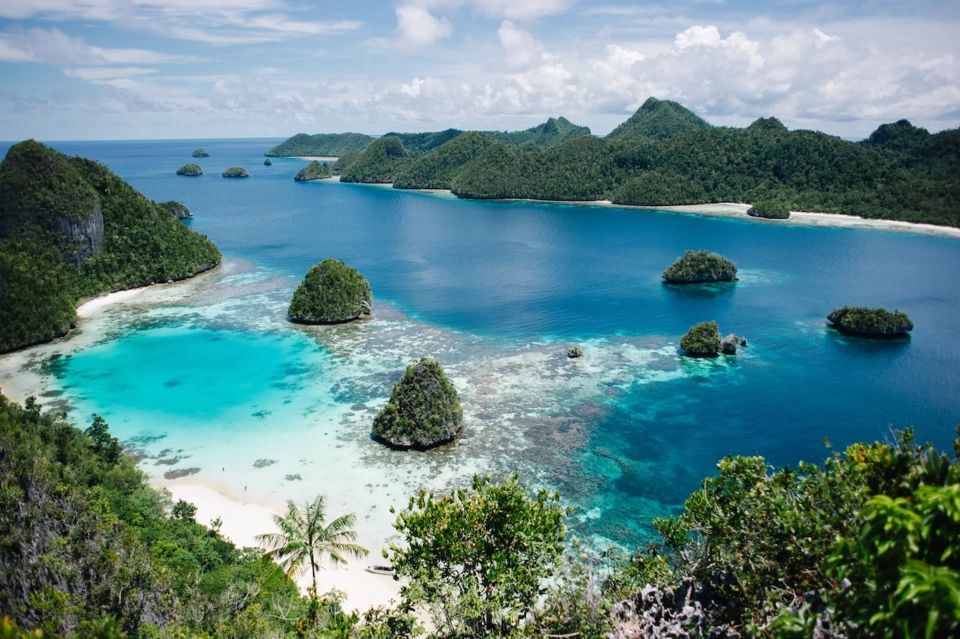
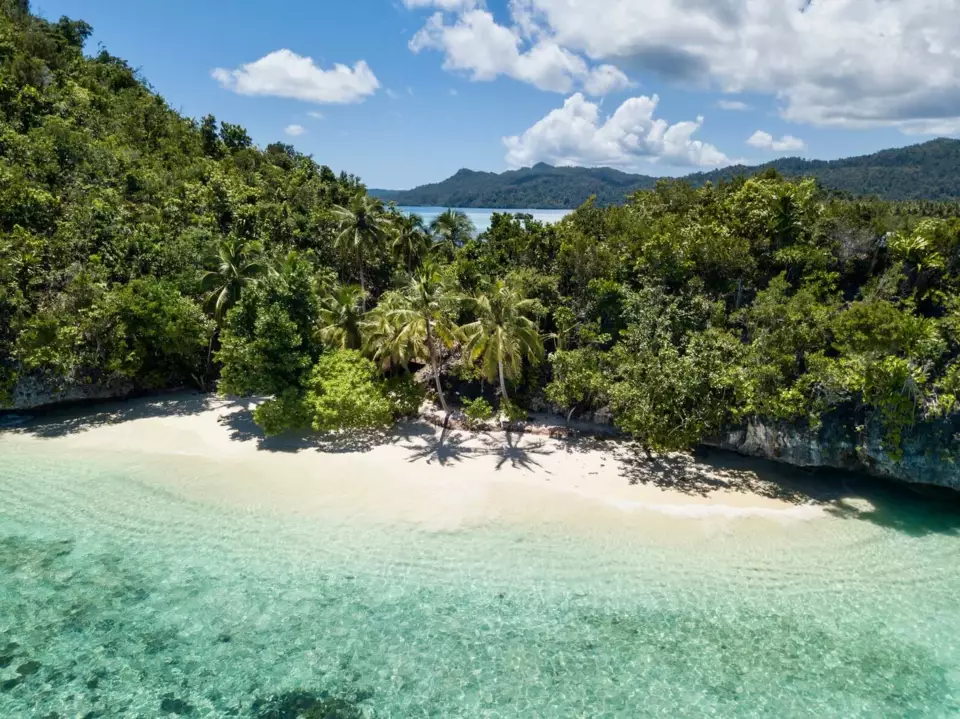

Raja Ampat sits at the north-western tip of New Guinea’s Bird’s Head Peninsula, a vast marine wilderness of more than 1,500 islands scattered across 40,000 square kilometres of protected ocean in West Papua, Indonesia. This is, by every scientific measure, the most biodiverse marine environment on earth: 550 species of hard coral (roughly 75% of the global total), more than 1,500 species of reef fish, 700 species of mollusc and five species of pygmy seahorse, all thriving on reefs so healthy they serve as a baseline for marine conservation worldwide. A single dive site at Cape Kri has yielded 374 fish species in one survey – a world record that has never been surpassed.
But Raja Ampat is far more than a dive destination. The archipelago’s karst limestone landscapes – mushroom-shaped islands rising from lagoons of impossible turquoise at Wayag and Pianemo – are among the most visually striking natural formations anywhere on the planet. Papuan villages on stilts welcome charter guests with warmth and curiosity. The red bird-of-paradise performs its courtship dance in the forest canopy of Gam Island, a spectacle that inspired Alfred Russel Wallace’s theory of natural selection. And threading through it all is the phinisi – the traditional Indonesian sailing vessel, handcrafted in teak, that has become the quintessential way to explore this remote and extraordinary corner of the world.
A phinisi charter of seven to ten days from Sorong is the ideal way to experience Raja Ampat. Your crew knows the tides, the currents, the best time of day for each dive site and which anchorages offer shelter in every wind direction. Enquire with Boatcrowd for availability and pricing on our Raja Ampat phinisi fleet.
Why Charter a Phinisi in Raja Ampat
Unrivalled Marine Biodiversity
Raja Ampat’s numbers are staggering, but what makes them real is what you actually see in the water. On a single snorkel at Cape Kri, you might count a dozen species of butterflyfish, a pair of Napoleon wrasse the size of small sofas, a school of bumphead parrotfish crunching coral audibly, and reef sharks gliding past at the edge of visibility. The coral coverage on the best reefs exceeds 80% – a figure that marine biologists elsewhere in the world can only dream of. For certified divers, sites like Blue Magic, Sardine Reef, Manta Sandy and Cape Kri rank among the best on the planet. For snorkellers, the shallow reefs are so rich and so clear that you can experience much of the magic without ever reaching for a tank.
Dramatic Karst Landscapes
Raja Ampat’s above-water scenery rivals its underwater world. Wayag’s lagoon – a labyrinth of jungle-topped limestone pinnacles rising from turquoise water – is one of Indonesia’s most iconic natural landscapes. Pianemo offers a similar karst panorama with easier access and a wooden staircase to a viewing platform that frames the scene perfectly. Kabui Bay’s passage between Waigeo and Gam is lined with mushroom-shaped formations undercut by tidal erosion, each one reflected in mirror-still water. These landscapes are best experienced from the deck of a phinisi, which can nose into narrow channels and anchor in lagoons that larger vessels cannot reach.
Genuine Remoteness and Exclusivity
Raja Ampat receives a fraction of the visitors that Bali or Komodo sees, and the archipelago’s sheer size means that even during peak season you rarely encounter another vessel. Your phinisi might anchor in a lagoon surrounded by uninhabited islands where the only sounds are birdsong, the lap of water against the hull and the splash of a manta ray surfacing in the channel. This is not manufactured exclusivity – it is the real thing, a consequence of geography, distance and the simple fact that most of the world has never heard of these islands.
Cultural Encounters with Papuan Communities
The indigenous communities of Raja Ampat are among the friendliest and most welcoming in Indonesia. Arborek village, a small settlement on stilts, is a regular charter stop where women weave traditional palm-leaf hats and children paddle dugout canoes alongside your tender. Saonek and Yenbuba villages offer similar warmth and the chance to learn about the sasi system – a traditional marine management practice that closes certain reefs to fishing for set periods, allowing stocks to recover. These village visits are gentle, respectful and genuinely memorable, adding a human dimension to a charter that might otherwise be entirely underwater.
Year-Round Warm Water
Sea temperatures in Raja Ampat hover between 28°C and 30°C throughout the year, with air temperatures of 26–32°C. You will never need a thick wetsuit here – a 3mm shorty or rash guard is plenty for most divers and snorkellers. The water’s warmth and clarity make Raja Ampat welcoming for guests of all confidence levels, from first-time snorkellers to advanced technical divers.
Top Destinations in Raja Ampat
-
Dampier Strait – The nutrient-rich channel between Waigeo and Batanta, home to Raja Ampat’s most famous dive sites: Cape Kri (world-record fish diversity), Sardine Reef (dense baitballs attracting jacks and mackerel), Manta Sandy (a cleaning station where reef mantas hover motionless), Blue Magic (a seamount attracting mantas, wobbegong sharks and barracuda) and Mioskon Island. The strait’s currents bring plankton and nutrients that fuel the region’s extraordinary abundance.
-
Wayag Islands – Raja Ampat’s most iconic landscape: karst limestone pinnacles rising from a turquoise lagoon in the far north of the archipelago. The view from the Wayag viewpoint is one of Indonesia’s most photographed scenes. Kayaking through the channels is an unforgettable experience. Note: check current park regulations for access, as Wayag has periodically been restricted to protect its fragile ecosystem.
-
Pianemo – A more accessible alternative to Wayag, roughly 60 kilometres west of Waisai. A wooden staircase leads to a viewing platform above a lagoon studded with jungle-topped karst islands. Superb kayaking, snorkelling and photography. Open year-round and a highlight of every Raja Ampat phinisi charter.
-
Kabui Bay – The narrow passage between Waigeo and Gam Island, famous for mushroom-shaped limestone formations reflected in mirror-still water. Ancient rock art on Gam’s cliff faces, hidden lagoons accessible by kayak and a sense of entering another world. Your phinisi anchors in the bay’s inner waters for a tranquil night surrounded by jungle and birdsong.
-
Misool – Raja Ampat’s southern frontier, a cluster of uninhabited limestone islands rising from lagoons of extraordinary colour. Misool’s reefs are among the healthiest in the archipelago, with soft-coral walls, swim-throughs and abundant macro life. Best accessed on longer charters (10+ days) or dedicated southern itineraries. Peak season: October to December when seas are calmest.
-
Kri and Mansuar Islands – The twin hubs of Raja Ampat diving. Kri’s eastern coast is home to Cape Kri and Sardine Reef; Mansuar’s Blue Magic seamount is one of the top manta sites. Both islands offer sheltered anchorages, superb house reefs and easy access to the Dampier Strait’s best sites.
-
Arborek Village – A small Papuan community on stilts between Mansuar and the Dampier Strait. Famous for its traditional hat-weaving, welcoming atmosphere and a jetty reef alive with juvenile fish, cuttlefish and wobbegong sharks. A cultural highlight of every charter.
-
Gam Island – Home to the red bird-of-paradise, best seen at dawn from a forest-canopy viewing platform. A pre-dawn tender ride and 20-minute walk rewards with one of Indonesia’s most extraordinary wildlife displays. Gam’s western coast adjoins Kabui Bay, making it easy to combine the bird-of-paradise visit with a karst-landscape exploration.
Best Time to Charter in Raja Ampat
Prime Season: October to December
The calmest seas, clearest skies and warmest water. Sea temperatures reach 29–30°C, visibility often exceeds 25 metres and the Dampier Strait’s manta aggregations are at their peak as plankton blooms attract reef and oceanic mantas to cleaning stations. This is the most popular window for phinisi charters, and the best yachts book out months in advance. October and November are particularly good for combining flat water with fewer vessels than the December holiday rush.
Shoulder Season: January to April
Still excellent for diving and snorkelling, with warm water and reasonable visibility. January and February can bring occasional rain squalls, but these are typically brief and the seas remain diveable. March and April offer good visibility and lighter crowds. Manta encounters continue through this period, though numbers taper as plankton levels decline.
Wet Season: May to September
The south-east monsoon brings rougher seas, stronger currents and more frequent rain. Visibility can drop on exposed reefs, and some sites may be inaccessible. However, experienced phinisi captains know the sheltered passages and lee-side anchorages that remain diveable throughout the year. This is the quietest period in Raja Ampat – charter rates are softer, and guests who are flexible on conditions will find superb diving with virtually no other boats at even the most popular sites.
Signature Experiences in Raja Ampat
- Dawn Bird-of-Paradise Display on Gam – A pre-dawn tender ride and forest walk to a viewing platform beneath the display tree, where male red birds-of-paradise hang upside down and spread crimson plumes in an elaborate courtship dance. Alfred Russel Wallace documented this species in 1860; watching it in person remains one of Indonesia’s most moving wildlife experiences.
- Kayak Through Wayag or Pianemo Lagoons – Paddle through channels barely wider than your hull, surrounded by jungle-covered karst pinnacles rising from water so clear you can see the sandy bottom. The silence, the reflections and the scale of the limestone formations create a landscape unlike anything else on the planet.
- Night Dive on a Raja Ampat Reef – After dark, the reef transforms. Your dive master leads you through a coral garden alive with basket stars unfurling, Spanish dancers rippling across the sand, hunting cuttlefish and fluorescent corals glowing under UV torchlight. Night diving here is a separate experience entirely – one that even seasoned divers find genuinely revelatory.
- Snorkel Arborek’s Jetty Reef – Just beneath the wooden jetty of Arborek village, a shallow reef teems with juvenile fish, cuttlefish, mantis shrimp and the occasional wobbegong shark resting on the sand. The combination of easy access, calm water and abundant marine life makes this one of Raja Ampat’s best snorkelling sites for guests of all abilities.
- Stargazing from the Phinisi Deck – Raja Ampat’s anchorages are far from any light pollution, and the equatorial sky delivers both the Southern Cross and parts of the northern constellations. Lie on the upper deck of your phinisi after dinner and watch the Milky Way arc from horizon to horizon – a reminder of just how far from the ordinary world these islands really are.
Yacht Types Available
-
Luxury Phinisi (80’–200’) – The vessel of choice for Raja Ampat. Phinisi charters are overwhelmingly the most popular way to explore the archipelago, combining authentic Indonesian craftsmanship, dedicated dive masters, personal chefs and crew-to-guest ratios of 1:1 or better. Most phinisi carry full scuba equipment, compressors, kayaks, paddleboards and snorkelling gear. Weekly rates for a luxury phinisi in Raja Ampat start from approximately $50,000–$95,000 on an all-inclusive basis.
-
Motor Yachts (55’–99’) – A smaller number of crewed motor yachts operate in Raja Ampat, offering faster transit times between dive sites and a more conventional yacht-charter experience. Suitable for guests who prioritise speed and modern amenities over the phinisi’s traditional character. Weekly rates start from around $35,000–$60,000.
-
Superyachts (100’+) – A handful of superyachts make seasonal repositioning cruises through Raja Ampat, offering the ultimate in onboard luxury for groups of 8–12 guests. These charters combine the archipelago’s world-class diving with lavish staterooms, full spa facilities and extensive deck spaces. Weekly rates from $100,000–$200,000+ on expedition-style terms.
Frequently Asked Questions
How much does a phinisi charter in Raja Ampat cost?
Luxury phinisi charters in Raja Ampat typically range from $50,000 to $95,000 per week on an all-inclusive basis covering accommodation, all meals, non-alcoholic beverages, guided dives and snorkelling, water sports, park permits and fuel. Ultra-premium phinisi (vessels like Prana by Atzaró or Lamima) can reach $120,000+ per week. Charter rates are generally highest from October through December (peak season) and softer from January through April and during the May–September wet season. Crew gratuity is customarily 10–15%. Park entry and community fees (approximately $100–$200 per person) are usually included. Enquire with Boatcrowd for a personalised quote.
Do I need to be a certified diver to enjoy Raja Ampat?
Not at all. Raja Ampat’s reefs are so rich and the water so clear that snorkelling delivers genuinely extraordinary experiences – you can see mantas, reef sharks, turtles and hundreds of fish species without ever reaching for a tank. Many phinisi charters carry a dive master who can offer introductory (Discover Scuba) sessions for non-certified guests in sheltered, shallow conditions, typically included in the charter rate. That said, the diving here is among the finest in the world, so certified divers will want to bring their logbooks and dive insurance.
How do I get to Raja Ampat?
Most charter guests fly to Sorong, the gateway city on the western tip of Papua. Garuda Indonesia and Lion Air operate daily flights from Jakarta (approximately 3.5 hours) and Makassar (approximately 2.5 hours). From Sorong’s airport, a 15-minute transfer takes you to the harbour where your phinisi will be waiting. Some guests connect through Bali with a domestic flight to Sorong via Makassar or Ambon. Your Boatcrowd charter specialist can recommend the most convenient routing and arrange transfers.
Is Raja Ampat suitable for families with children?
Raja Ampat is a wonderful destination for families, provided children are comfortable in the water and the group is prepared for the remote setting (the nearest hospital is in Sorong, roughly two to four hours by boat depending on location). The snorkelling is exceptional even in shallow, sheltered water, and children are fascinated by the marine life, the kayaking, the village visits and the adventure of living aboard a phinisi. Many phinisi offer family cabins or interconnecting suites. Children under 10 should be closely supervised around dive sites with currents; your dive master will advise on which sites are suitable for younger swimmers.
What marine life can I expect to see?
Raja Ampat’s species list is effectively endless, but common encounters include: reef manta rays (especially at Manta Sandy and Blue Magic from October to April), white-tip and black-tip reef sharks, green and hawksbill sea turtles, Napoleon wrasse, bumphead parrotfish, schools of barracuda, jacks and fusiliers, pygmy seahorses (five species), wobbegong sharks, cuttlefish, octopus, nudibranchs and an extraordinary diversity of hard and soft corals. Whale shark encounters are possible in Cenderawasih Bay, a day’s sail to the east. Dugongs have been sighted in Wayag’s shallows. Above water, the red bird-of-paradise on Gam Island and flocks of sulphur-crested cockatoos are among the highlights.
Can I combine Raja Ampat with other Indonesian charter regions?
Yes. The most popular combination is a Raja Ampat charter followed by a repositioning cruise to Cenderawasih Bay for whale shark encounters, or a flight south from Sorong to Labuan Bajo for a Komodo charter. Some guests book back-to-back phinisi charters – one week in Raja Ampat, one week in Komodo – with a domestic flight between the two. For the most ambitious voyages, a three-week phinisi charter can connect Raja Ampat with the Banda Sea and the Spice Islands. Your Boatcrowd charter specialist will design a multi-region itinerary that aligns with seasonal conditions and maximises the experience.
Ready to plan your Raja Ampat charter?
Tell us your dates and party size – we'll match you with the right yacht and crew.
15–20 min by road to Labuan Bajo Harbour
Every yacht is chartered fully crewed with a professional captain and crew, so no licence or sailing experience is required — you simply step aboard.
Best time to charter Indonesia
Local knowledgeThe dry southeast monsoon opens Komodo's dragon-guarded passes and pink beaches; Raja Ampat takes over when the season turns.
