 Skip to content

 EN
EN  Deutsch
  Français
  Español
  Italiano
  日本語
日本語  Português


Melbourne · In this guide
Melbourne Guide: Luxury Yacht Charter in Melbourne
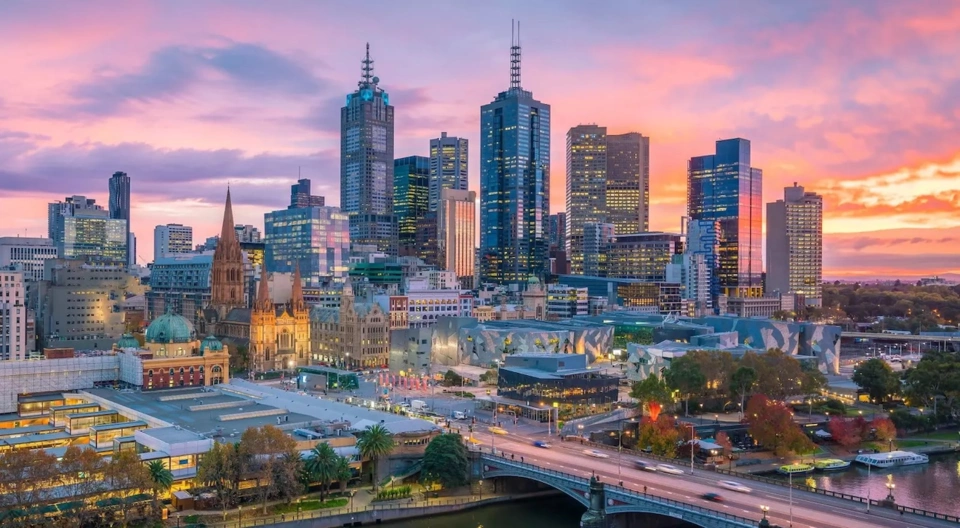

Melbourne is not the first city that springs to mind when you think of yacht chartering – and that is precisely its appeal. While the world’s charter fleets cluster in the Mediterranean and the Caribbean, Port Phillip Bay quietly offers one of the most distinctive cruising experiences in the southern hemisphere: a 1,930-square-kilometre bay with 264 kilometres of shoreline, 80 resident bottlenose dolphins, Australian fur seal colonies hauled out on historic maritime structures, and the Mornington Peninsula’s world-class wine region lapping at the water’s edge. Add Melbourne’s legendary food scene, a calendar of major events from the Australian Grand Prix to the Melbourne Cup, and a maritime history that includes the most heavily fortified harbour entrance in the southern hemisphere, and you have a charter destination that is equal parts wine country, wildlife sanctuary and urban sophistication.
Port Phillip Bay is a near-enclosed sea, entered through The Heads – a dramatic 3-kilometre entrance flanked by Point Nepean on the Mornington Peninsula and Point Lonsdale on the Bellarine Peninsula, where tidal streams can run up to six knots through Australia’s most treacherous strait (known simply as ‘The Rip’). Inside, the bay opens into a vast, sheltered waterway that ranges from the fashionable waterfront suburbs of St Kilda and Brighton to the wild southern coastline of the Mornington Peninsula, the historic port town of Queenscliff on the Bellarine, and the open waters where dolphins hunt schooling fish in the morning light. More than 170 shipwrecks litter the seabed – a maritime heritage dating back to the 1840s – and the fortification network that once made this the most heavily defended harbour in the British Empire still stands guard at the entrance.
Whether you’re planning a day charter from Melbourne’s Docklands, a weekend exploring the Mornington Peninsula wine trail by tender, or a multi-day voyage taking in dolphins, seals and historic forts, Melbourne offers a charter experience unlike anywhere else in Australia. Enquire with Boatcrowd for availability and pricing on our Melbourne fleet.
Why Charter a Yacht in Melbourne
Wine Country on the Water
The Mornington Peninsula is one of Australia’s premier cool-climate wine regions, and it is accessible directly from your anchorage. A boot-shaped promontory of roughly 40,000 hectares between Port Phillip Bay and Western Port, the peninsula supports 200 vineyards and 60-plus cellar doors specialising in Pinot Noir and Chardonnay that are earning comparisons with Burgundy. Anchor at Portsea or Sorrento, step ashore, and within minutes you’re tasting at estates like Montalto, Port Phillip Estate or Ten Minutes by Tractor. On the bay’s western side, the Bellarine Peninsula’s 40-plus wineries include Scotchmans Hill (the region’s oldest and largest, 40-plus years, James Halliday Top 100) and Jack Rabbit Vineyard, perched on a hill with panoramic bay views. No other Australian cruising ground puts world-class wine this close to the water.
Marine Wildlife Encounters
Port Phillip Bay supports a resident population of roughly 80 bottlenose dolphins – the Port Phillip Burrunan dolphin, a species found only here and in the Gippsland Lakes. Around 30 common dolphins also reside along the eastern coast. Australian fur seals – bachelor colonies of predominantly male seals – haul out at Chinaman’s Hat (a platform erected in 2002 in the South Channel, 3 kilometres east-south-east of Pope’s Eye), Pope’s Eye (a Marine National Park structure), and the South Channel Fort (an artificial island 6 kilometres north-east of Sorrento, built between 1879 and 1888). Weedy sea dragons – found nowhere else on earth, with seaweed-like appendages that camouflage them in the kelp – inhabit the waters off Portsea. And humpback whales occasionally visit the bay during their annual migration. Your captain knows the best spots for each species and the approach distances required.
Maritime History and Heritage
Port Phillip’s entrance was once the most heavily fortified harbour in the southern hemisphere, and the remnants are scattered across the water. Fort Queenscliff, construction begun in 1860 on Shortlands Bluff, served as headquarters for a network of forts defending The Heads – by 1886, this was one of the most heavily defended harbours in the British Empire. Fort Nepean, on the tip of Point Nepean, holds a remarkable distinction: the first Allied shots of the First World War were fired from here in August 1914, across the bow of the German freighter Pfalz. The South Channel Fort, an artificial island 121.9 metres long and 76.2 metres wide (built on 14,000 tonnes of bluestone and concrete), formed a ‘triangle of fire’ with the shore batteries. And HMVS Cerberus, Australia’s first armoured warship and the first designed to operate without sails, lies as a heritage shipwreck in Half Moon Bay at Black Rock. More than 170 wrecks dot the bay – a maritime museum beneath the waves.
Melbourne’s Food Scene
Melbourne competes with Sydney for the title of Australia’s best dining city, and the waterfront options are compelling. Stokehouse St Kilda, reopened in 2016 after a fire destroyed the original (which first opened in 1989), sits directly on the foreshore with floor-to-ceiling windows, panoramic bay views and what reviewers describe as ‘startlingly fresh’ seafood beneath a ceiling of 2,000 frosted blush-pink glass tubes. The Portsea Hotel, an iconic seaside institution on the Mornington Peninsula, offers the ‘Longshore’ dining room with bay views, a beer garden backing onto the beach, and live music. In the CBD, Melbourne’s Docklands precinct – home to the city’s superyacht marina – puts you within walking distance of Southbank’s restaurant row and the laneways of the central business district. The Melbourne Food and Wine Festival (March, 200-plus events) is one of Australia’s great culinary celebrations.
Key Destinations Near Melbourne
-
Docklands and Melbourne City Marina – Melbourne City and Superyacht Marina in Victoria Harbour is a 5-Gold-Anchor-rated facility with 23 visitor berths and direct access to the Yarra River and Port Phillip Bay. Walking distance to Southbank, the CBD laneways and Melbourne’s restaurant and cultural precinct. The starting point for Melbourne charters.
-
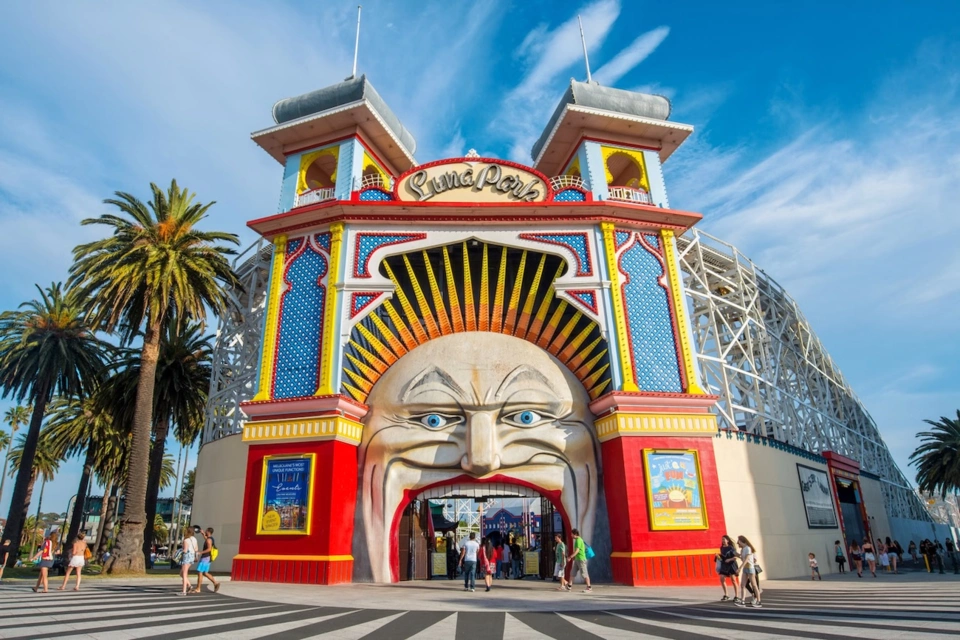
St Kilda – Roughly 7.7 nautical miles from Docklands. Melbourne’s favourite beachside suburb, with Stokehouse on the foreshore, Luna Park on the esplanade, and the St Kilda Pier penguin colony. A popular lunch or sunset anchorage.
-
Portsea and Sorrento – At the tip of the Mornington Peninsula, roughly 45 nautical miles from Docklands. Portsea’s front beach offers calm bay water and clifftop walks; Sorrento’s village atmosphere includes galleries, cafés and the Searoad Ferry terminal. Both are gateways to the peninsula’s 200 vineyards and 60-plus cellar doors.
-
Queenscliff – Historic port town on the Bellarine Peninsula, roughly 6 nautical miles across The Heads from Sorrento. Fort Queenscliff (begun 1860) guards the entrance. The town’s Victorian-era streetscape, lighthouse and harbour make it a charming day stop or overnight berth.
-
Pope’s Eye and Chinaman’s Hat – Marine National Park structures in the South Channel where Australian fur seals haul out on sun-warmed surfaces. Pope’s Eye is a partially submerged annular fort; Chinaman’s Hat is a purpose-built seal platform erected in 2002. Your captain anchors nearby for wildlife viewing.
-
South Channel Fort – An artificial island 6 kilometres north-east of Sorrento, built 1879–1888 to control the South Channel minefield. A ‘triangle of fire’ with Queenscliff and Point Nepean. Accessible only by boat. Australian fur seals haul out here, and the structure is a striking relic of Victoria’s colonial maritime defences.
-
Mornington Peninsula Wine Region – Two hundred vineyards, 60-plus cellar doors, specialising in Pinot Noir and Chardonnay. Step ashore from Portsea or Sorrento and tour by car. Highlights include Montalto (sculpture garden, restaurant, estate wines), Port Phillip Estate and Ten Minutes by Tractor (three-vineyard concept, destination restaurant).
Best Time to Charter in Melbourne
Peak Season: December to March
Melbourne’s summer and early autumn bring the warmest bay water (19–22°C in the shallows, up to 25°C in the sheltered north), daytime air temperatures of 25–30°C, and the longest daylight hours. The Melbourne Food and Wine Festival (March, 200-plus events), the Australian Grand Prix at Albert Park, and the Melbourne Cup carnival (November, overlapping with late spring) all fall near this window. Charter rates are at their highest during the Christmas–New Year period and the Australian Open tennis (January). The bay is busiest on summer weekends; weekday charters offer quieter anchorages and more flexibility.
Shoulder Season: October to November and April to May
Spring (October–November) brings warming water, wildflowers on the peninsula and the build-up to the Melbourne Cup carnival. Autumn (April–May) delivers mild, settled weather, warm bay water (the bay retains summer heat well into April), and the peak of the Mornington Peninsula’s grape harvest. The vines turn gold and crimson, cellar doors are at their busiest, and the dining scene is in full swing. Charter rates are typically 15–20% softer than peak.
Winter: June to August
Melbourne’s winter is cool (12–15°C daytime highs, bay water around 12–13°C) but far from bleak. The bay is at its quietest, the Mornington Peninsula’s restaurants and cellar doors are still open, and the winter light across Port Phillip is striking. Humpback whale sightings are possible during the June–November migration. For guests who prioritise wine, gastronomy and wildlife over swimming, a winter Melbourne charter offers excellent value and genuine solitude on the water.
Signature Experiences
- Dolphins at Dawn – Cruise the eastern bay at first light as the resident pod of bottlenose dolphins hunts schooling fish. Your captain knows their patterns and positions the yacht for respectful encounters. Coffee on the flybridge as the sun rises over the Dandenong Ranges.
- Seal Colony at Pope’s Eye – Anchor near the Marine National Park structure and watch Australian fur seals haul out, stretch and slip into the water. The partially submerged annular fort makes for a striking photographic backdrop.
- Mornington Peninsula Cellar-Door Tour – Tender ashore at Sorrento or Portsea and spend an afternoon touring Pinot Noir and Chardonnay producers. Two hundred vineyards, 60-plus cellar doors, and a landscape of rolling hills, ocean breezes and farm-to-table restaurants. Return to the yacht with cases of your favourites.
- Fort Queenscliff and The Heads – Cruise through The Rip – the dramatic entrance to Port Phillip Bay where tidal streams reach six knots – and anchor off Queenscliff for a tour of the fort that once defended the most heavily fortified harbour in the southern hemisphere. First Allied shots of WWI were fired under its orders.
- Sunset at Sorrento – Anchor off Sorrento’s foreshore as the sun drops behind the Bellarine Peninsula. Your chef serves local oysters, Mornington Peninsula cheese and a glass of estate Pinot on the aft deck. The light across the bay is golden, the water is still, and the penguin colony at St Kilda pier is beginning its evening parade.
- Weedy Sea Dragon Snorkel – Off Portsea, beneath the kelp canopy, weedy sea dragons drift like leaves in the current – one of the most extraordinary marine creatures on earth, found nowhere else. Your crew provides wetsuits and guides you to the best viewing spots.
Yacht Types Available
-
Motor Yachts (78’–99’) – Versatile and comfortable for Port Phillip Bay’s varied conditions. Fast enough to reach Portsea from Docklands in a morning, agile enough for the bay’s shallow northern reaches. Crewed charters with all-inclusive service.
-
Superyachts (100’+) – Melbourne City and Superyacht Marina accommodates the largest vessels. A superyacht on Port Phillip Bay combines urban sophistication with wildlife encounters – dolphins in the morning, wine tastings in the afternoon, city lights at night.
-
Luxury Catamarans (55’+) – Stable and spacious for the bay’s occasionally choppy conditions. Shallow draft for exploring the bay’s northern shallows and beachside anchorages. Generous deck space for wine-tasting lunches and wildlife viewing.
Frequently Asked Questions
How much does a yacht charter in Melbourne cost?
Crewed motor yachts (78’–99’) in Melbourne start from around $35,000–$55,000 per week all-inclusive during peak season (December–March). Day charters (4–8 hours) are available from approximately $3,000–$12,000 depending on yacht size and inclusions. Superyachts (100’+) start from $90,000–$175,000 per week. Luxury catamarans (55’+) start from roughly $28,000–$48,000 per week. Enquire with Boatcrowd for a personalised quote.
Can I visit the Mornington Peninsula wineries from a yacht?
Absolutely. Anchor at Portsea or Sorrento on the Mornington Peninsula and step ashore for a cellar-door tour. The peninsula’s 200 vineyards and 60-plus cellar doors are concentrated within easy reach of the coast, specialising in Pinot Noir and Chardonnay. Your crew can arrange a private car and driver for a half-day or full-day wine-country experience, returning you to the yacht in time for a sunset dinner at anchor.
What marine life can I see in Port Phillip Bay?
Port Phillip Bay supports roughly 80 resident bottlenose dolphins (the Burrunan species, found only here and in the Gippsland Lakes), around 30 common dolphins, Australian fur seal colonies at Pope’s Eye and Chinaman’s Hat, and weedy sea dragons off Portsea – extraordinary creatures found nowhere else on earth. Humpback whales occasionally visit during their June–November migration. Your captain positions the yacht for responsible wildlife viewing.
Is Melbourne suitable for a food-and-wine themed charter?
Melbourne is arguably the best food-and-wine charter destination in Australia. The Mornington Peninsula wine region (200 vineyards, 60-plus cellar doors), the Bellarine Peninsula’s 40-plus wineries, and Melbourne’s extraordinary restaurant scene (Stokehouse on St Kilda’s foreshore, Docklands precinct, CBD laneways) create a charter that is as much a culinary journey as a nautical one. The Melbourne Food and Wine Festival in March (200-plus events) is the calendar highlight. Your onboard chef can source produce from local markets and prepare a menu that showcases the region’s best.
Can I see the historic forts from a yacht?
Yes. Fort Queenscliff on Shortlands Bluff is visible from the water and offers guided tours ashore. The South Channel Fort – an artificial island accessible only by boat – is a striking relic of the colonial defence network, now home to a fur seal colony. Fort Nepean at Point Nepean is part of a national park with walking trails and interpretive exhibits. Your captain can incorporate a fort tour into any itinerary heading south toward The Heads.
Ready to plan your Melbourne charter?
Tell us your dates and party size – we'll match you with the right yacht and crew.
25–30 min by road to Abell Point Marina
Every yacht is chartered fully crewed with a professional captain and crew, so no licence or sailing experience is required — you simply step aboard.
Best time to charter Australia
Local knowledgeThe Whitsundays' dry-season window means stinger-free swimming, Whitehaven's silica sands and the Great Barrier Reef on the doorstep.
