 Skip to content

 EN
EN  Deutsch
  Français
  Español
  Italiano
  日本語
日本語  Português


Grenadines · In this guide
The Grenadines Guide: Luxury Yacht Charter in St Vincent and the Grenadines
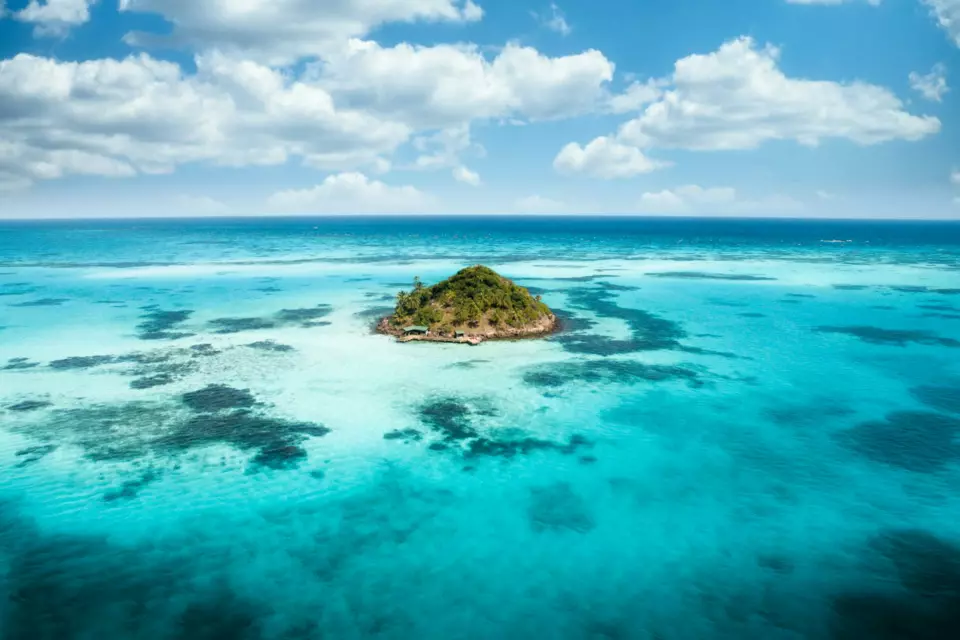
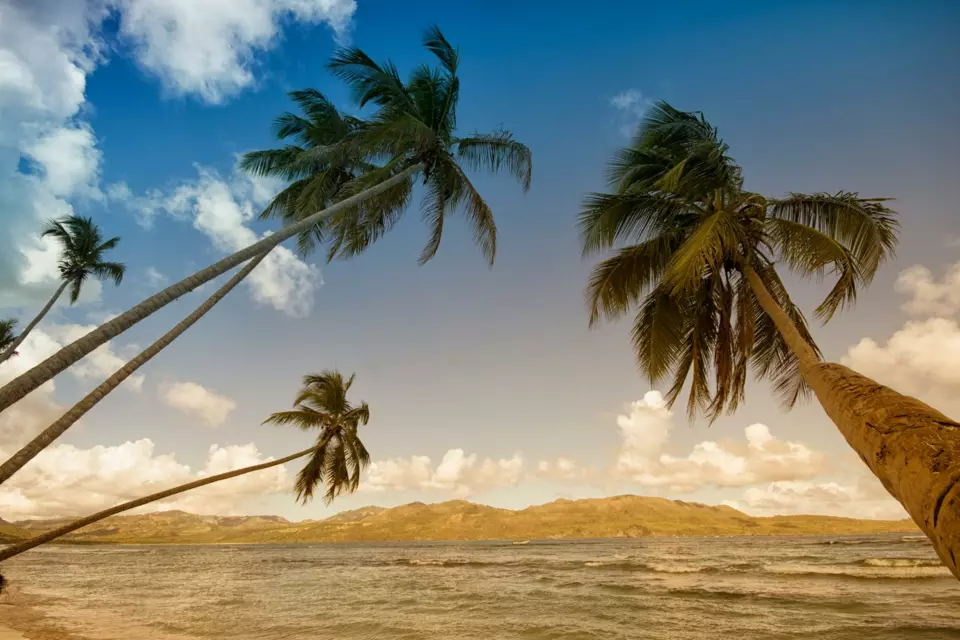

The Grenadines are the Caribbean stripped to its purest essence. This chain of 32 islands and cays stretches 60 nautical miles from Bequia in the north to Carriacou in the south, scattered across some of the clearest, most turquoise water in the Atlantic. Only nine of the islands are inhabited, and several – Mustique, Palm Island and Petit St Vincent – are privately owned resorts accessible almost exclusively by yacht or small aircraft. There are no high-rise hotels, no cruise-ship terminals and no chain restaurants. What you find instead is the Caribbean of the imagination: deserted white-sand beaches, coral reefs teeming with sea turtles, palm-shaded anchorages where your yacht is the only vessel in the bay, and a pace of life that has barely changed in decades.
The Grenadines form part of the nation of St Vincent and the Grenadines, with the southernmost islands of Carriacou and Petite Martinique belonging to Grenada. The main island of St Vincent – home to the capital Kingstown and the active La Soufrière volcano (1,234 metres) – serves as the administrative centre, but the Grenadines themselves are the draw for charter guests. Bequia, the largest at just 18 square kilometres, has the charm of a traditional Caribbean port town with proper provisioning, excellent restaurants and a boat-building heritage that stretches back generations. Mustique, by contrast, is one of the world’s most exclusive private islands – home to rock stars, royals and billionaires, yet welcoming to visiting yachts who anchor in Britannia Bay and dine at the legendary Basil’s Bar. Tobago Cays, a cluster of five uninhabited islands protected by Horseshoe Reef, is the jewel of the chain: a marine park where you snorkel with green and hawksbill turtles in water that glows an almost unnatural shade of blue.
Whether you’re planning a dedicated Grenadines island-hopping charter, a broader Windward Islands voyage that links St Lucia in the north with Grenada in the south, or a standalone week exploring this extraordinary archipelago from Bequia to Union Island, this guide covers the cruising ground, the seasons, the experiences and the yachts best suited to these waters. Start planning your Grenadines charter with Boatcrowd and let our team match you to the perfect vessel and itinerary.
Why Charter a Yacht in the Grenadines
The Caribbean’s Finest Island-Hopping
No cruising ground in the Caribbean – and arguably the world – offers island-hopping of this quality in such a compact area. Seven distinct islands, each with its own character, lie within 60 nautical miles of each other, with passages of just 5–15 nautical miles between them. You can wake at Mustique’s private beach, lunch at anchor over the turtle reef in Tobago Cays, and end the day in Salt Whistle Bay on Mayreau – a beach so perfect it has featured on the cover of every Caribbean sailing guide. The variety is extraordinary, the distances are short, and each new island feels like a discovery.
Tobago Cays Marine Park – Snorkelling with Sea Turtles
The Tobago Cays Marine Park is a 1,400-hectare protected area encompassing five uninhabited islands sheltered by Horseshoe Reef – the largest reef in the Eastern Caribbean. The calm, shallow lagoon inside the reef is home to a permanent population of green and hawksbill sea turtles, and snorkelling among them is one of the defining wildlife encounters in the region. The water clarity is exceptional – 15–20 metres of visibility over seagrass beds and coral patches – and encounters with 50 or more turtles in a single session are not uncommon. The park charges a modest entry fee (approximately EC$15 per person plus EC$60 for yacht mooring) and is managed by rangers who patrol the mooring field and enforce conservation regulations.
Mustique – Exclusivity Without Attitude
Mustique is the world’s most discreet private island. Owned by the Mustique Company and home to around 100 villas belonging to a global elite that includes members of the British royal family, rock legends and tech billionaires, the island manages to be genuinely welcoming to visiting yacht guests. Anchor in Britannia Bay and take the dinghy ashore to Basil’s Bar – a beach bar built on stilts over the water, where Wednesday cocktail parties and Sunday barbecues draw an eclectic mix of villa owners, yacht crews and adventurous day-trippers. Walk to Macaroni Beach on the Atlantic side for body surfing on perfect waves, or explore the Cotton House for refined dining. Mustique has no commercial development, no taxis and no urgency – just bougainvillea-draped paths, golf carts and an atmosphere of relaxed privilege.
Unspoilt Caribbean at Its Best
The Grenadines have been spared the overdevelopment that has affected other Caribbean destinations. There are no duty-free malls, no casino resorts and no mass tourism infrastructure. Instead, you find hand-built wooden fishing boats beached on pink-white sand, open-air restaurants serving grilled lobster on the waterfront, and village bars where a rum punch costs less than $3 USD. This authenticity is precisely what makes the Grenadines so compelling for charter guests who have seen enough polished Caribbean resorts – it is the real thing, unhurried and unpretentious, and the best way to experience it is from the deck of your own yacht.
Top Destinations in the Grenadines
- Bequia (Admiralty Bay) – The largest of the Grenadines at 18 square kilometres, and the natural gateway to the chain. Admiralty Bay is one of the finest natural harbours in the Caribbean – a wide, deep-water anchorage sheltered from the Atlantic swell, with the colourful waterfront of Port Elizabeth lining the shore. Provision the yacht at the local market, dine at Mac’s Pizzeria or the Frangipani Hotel, and explore the island’s boat-building heritage at the Sargeant Brothers Model Boat Shop. Bequia Marina offers stern-to berths for yachts up to 49 metres at approximately $2 per foot per night.
- Mustique (Britannia Bay) – The world’s most exclusive private island, yet genuinely welcoming to visiting yachts. Anchor in Britannia Bay (free mooring buoys available), dinghy ashore and walk to Basil’s Bar for the Caribbean’s most storied sundowner. Wednesday evening cocktail parties and Sunday barbecues draw a mix of villa owners and yacht guests. Macaroni Beach on the Atlantic side offers body surfing on consistent waves, and the Cotton House provides refined dining in a restored 18th-century warehouse.
- Canouan (Glossy Bay) – A 7.6-square-kilometre island with a disproportionate share of natural beauty – white-sand beaches, a barrier reef and turquoise lagoon. Sandy Lane Yacht Club offers a modern 120-berth superyacht marina accommodating vessels up to 100 metres, making it the most sophisticated marina facility in the Grenadines. Canouan serves as a customs port of entry and is the closest major island to the Tobago Cays – just 6 nautical miles east – making it an ideal staging point.
- Mayreau (Salt Whistle Bay) – Salt Whistle Bay is one of the most photographed beaches in the Caribbean – a perfect crescent of white sand on a narrow isthmus, with calm turquoise water on one side and the Atlantic on the other. Mayreau is the smallest inhabited Grenadine (just 4 square kilometres, population roughly 300) and has no airport, no paved roads and no cars. Anchor in the bay, swim ashore for a beach barbecue of grilled lobster prepared by local vendors (approximately $45–50 USD per person), and enjoy the silence of an island that has changed little in a century.
- Tobago Cays Marine Park – Five uninhabited islands – Petit Rameau, Petit Bateau, Baradal, Jamesby and Petit Tobac – sheltered by the magnificent Horseshoe Reef. This 1,400-hectare marine park is the highlight of any Grenadines charter. Snorkel with green and hawksbill turtles in the seagrass beds between Baradal and Petit Bateau, drift along the outer reef wall watching eagle rays and nurse sharks, or take the dinghy to the sandbar off Petit Tobac (a filming location for Pirates of the Caribbean). Park rangers manage the mooring field and collect modest fees (EC$15 per person, EC$60 per yacht).
- Union Island (Clifton Harbour and Chatham Bay) – The southern hub of the Grenadines and a customs port of entry. Clifton Harbour is a colourful waterfront town with local restaurants, provisioning and a lively social scene. Chatham Bay on the leeward side is a spectacular crescent-shaped anchorage backed by green hills – calm, sheltered and far quieter than Clifton. Union Island is also one of the Caribbean’s premier kitesurfing destinations, with consistent 15–25 knot trade winds in the channel between Union and the Tobago Cays.
- Palm Island and Petit St Vincent (PSV) – Two privately owned island resorts in the far south of the Grenadines chain. Palm Island is a 54-hectare resort with five white-sand beaches, a spa and refined dining – visiting yacht guests can book lunch or dinner ashore. Petit St Vincent (PSV), just a mile south, is one of the Caribbean’s most exclusive resorts: 22 stone-and-wood cottages scattered across 46 hectares, with no phones, no televisions and a flag system for room service. Anchor off the beach and tender ashore for the definition of barefoot luxury.
Best Time to Charter a Yacht in the Grenadines
Peak Season: December to May
The Caribbean dry season brings the best conditions for Grenadines cruising: north-east trade winds of 12–20 knots, warm temperatures (27–31°C), low humidity and minimal rainfall. Water temperatures sit at a comfortable 26–28°C with excellent visibility of 15–25 metres over the reefs. December through February is the most popular period, with peak charter demand over Christmas and New Year – book 4–6 months in advance for the best yachts. March through May remains excellent, with slightly lighter winds and warmer water. The Bequia Easter Regatta (typically March/April) and Mustique Blues Festival (late January/early February) add event interest to peak-season charters.
Shoulder Season: June and November
June marks the transition from dry to wet season, but conditions in the Grenadines remain warm and largely pleasant – brief tropical showers typically clear within an hour. Charter rates drop by 25–40% compared to peak, anchorages are noticeably emptier, and the islands feel even more secluded. November sits at the tail end of hurricane season but usually brings settled weather and good visibility. The Grenadines’ southerly latitude (12–13°N) places them at the lower edge of the hurricane belt, and direct hits are historically rare.
Hurricane Season: July to October
The official Atlantic hurricane season runs from 1 June to 30 November, with peak risk in August and September. Most charter yachts reposition south to Grenada and Trinidad during these months, and availability in the Grenadines is limited. Conditions are warmer (water temperatures reaching 29°C), rainfall increases and trade winds become less predictable. For the best combination of weather, availability and value, aim for December through May or late November.
Signature Experiences
- Snorkelling with Sea Turtles at Tobago Cays – Slip off the swim platform into gin-clear water over the seagrass beds between Baradal and Petit Bateau. Within minutes, green and hawksbill turtles glide past – unhurried, unafraid and utterly mesmerising. Encounters with 50 or more turtles in a single session are routine. The shallow, calm lagoon inside Horseshoe Reef makes this suitable for all swimming abilities, including children.
- Sundowners at Basil’s Bar, Mustique – Anchor in Britannia Bay and dinghy ashore to the Caribbean’s most legendary beach bar. Built on stilts over the water, Basil’s has hosted everyone from Mick Jagger to the Princess Royal. Order a rum punch, settle into a deck chair and watch the sun drop behind the masts in the bay. Wednesday cocktail parties and Sunday barbecues are the social highlights of any Grenadines charter.
- Beach Lobster Barbecue on Mayreau – Anchor in Salt Whistle Bay and wade ashore to find local vendors grilling fresh lobster, fish and chicken over charcoal on the beach. For approximately $45–50 USD per person, you get a meal that no restaurant can match – just-caught lobster, cold beer, white sand between your toes and not a building in sight. This is the Caribbean at its most elemental.
- Diving the Puruni Wreck at Union Island – This 30-metre cargo vessel lies in 12 metres of water off Chatham Bay, encrusted with sponges and soft corals and home to schools of jacks, barracuda and the occasional nurse shark. The wreck is suitable for intermediate divers and makes an excellent introduction to Caribbean wreck diving. Dive operators based at Clifton Harbour offer guided two-tank trips.
- Sunset Cruise Through the Tobago Cays – As the afternoon light turns golden, have your captain navigate slowly through the mooring field in the Tobago Cays. The uninhabited islands glow amber and green, the reef colours intensify, and the entire scene takes on an almost painterly quality. Champagne on the aft deck, the sound of small waves on the reef, and the certain knowledge that this is one of the most beautiful places on earth.
- Kitesurfing at Union Island – The channel between Union Island and the Tobago Cays funnels the trade winds to a consistent 15–25 knots, creating some of the Caribbean’s finest kitesurfing conditions. Flat water, warm air and reliable wind make this ideal for both beginners and experienced riders. Kite schools based at Union Island offer lessons and equipment hire.
Yacht Types Available
Motor Yachts (55’–99’)
Crewed motor yachts are the most comfortable way to island-hop the Grenadines, covering the 5–15 nautical mile passages between islands in 30–60 minutes at cruising speed. Typical configurations accommodate 6–8 guests in 3–4 en-suite cabins, with a crew of 3–5. Weekly rates range from $35,000–$105,000, inclusive of crew but exclusive of fuel, food, beverages and park fees (budgeted as an Advance Provisioning Allowance of 20–30% of the charter fee). The shallow drafts of many modern motor yachts suit the Grenadines’ diverse anchorages.
Superyachts (100’+)
Sandy Lane Yacht Club in Canouan accommodates superyachts up to 100 metres in its modern 120-berth marina, with full-service facilities. Superyacht charters in the Grenadines typically range from $140,000–$560,000+ per week, offering full professional crew, premium water toys, tenders and a level of service that makes the marine parks and private islands feel like your own estate. The chain’s proximity to Grenada (20 nautical miles south) and St Lucia (90 nautical miles north) makes the Grenadines an ideal centrepiece for longer Eastern Caribbean superyacht voyages.
Luxury Catamarans (55’+)
Power catamarans offer exceptional stability for the short, sometimes choppy channel crossings between Grenadine islands, along with spacious deck areas ideal for al fresco dining, sunbathing and water-toy deployment. Their shallow drafts (typically 1.2–1.8 metres) allow access to anchorages that deeper-keeled vessels cannot reach – a significant advantage in the Tobago Cays and around Palm Island. Weekly rates for crewed catamarans of 55 feet and above start from approximately $24,500–$70,000.
Frequently Asked Questions
When is the best time to charter a yacht in the Grenadines?
December to May offers the best conditions: dry weather, consistent 12–20 knot trade winds, warm temperatures and outstanding underwater visibility. The peak period is December through February, with the Bequia Easter Regatta and Mustique Blues Festival adding event interest in early spring. June and November offer good conditions at lower rates, with fewer yachts at anchor.
Do I need a visa to charter in the Grenadines?
Citizens of the United States, United Kingdom, Canada and the European Union do not require a visa for stays of up to 30 days (extendable). A valid passport is required, along with proof of onward travel. Your yacht’s captain handles customs clearance at designated ports of entry – Bequia, Canouan, Union Island and Mustique all have customs facilities.
What is the Tobago Cays Marine Park fee?
The Tobago Cays Marine Park charges an entry fee of approximately EC$15 (roughly $5.50 USD) per person and a yacht mooring fee of EC$60 (roughly $22 USD). Park rangers patrol the mooring field and collect fees on arrival. The fees fund conservation efforts including turtle protection, reef monitoring and ranger patrols. No anchoring is permitted inside the marine park – all yachts must use the designated mooring buoys.
What currency is used in the Grenadines?
The official currency is the East Caribbean Dollar (EC$), pegged to the US Dollar at a rate of 1 USD = EC$2.70. US dollars are accepted at most restaurants, tour operators and marinas throughout the island chain. Credit cards are taken at larger establishments, marinas and resorts, but it’s essential to carry cash for smaller vendors, beach barbecue operators and marine park fees – many outer islands have no ATMs.
Are the Grenadines suitable for a family charter?
The Grenadines are outstanding for families. The calm lagoon inside the Tobago Cays reef is shallow and sheltered, ideal for children to snorkel with turtles in safety. Salt Whistle Bay on Mayreau has gentle, knee-deep water extending far from shore. The island-hopping format keeps children engaged with new discoveries each day – a different beach, a different snorkel spot, a different island to explore. Most charter yachts can provide child-safe equipment and family-adapted menus on request.
How do I get to the Grenadines?
The most common gateway is Barbados (Grantley Adams International Airport), with connecting flights on SVG Air or Mustique Airways to Bequia, Canouan, Mustique or Union Island. Alternatively, fly to St Vincent’s Argyle International Airport and take the 1-hour ferry from Kingstown to Bequia (approximately $15 USD). For yacht charters starting in the southern Grenadines, Grenada’s Maurice Bishop International Airport offers direct flights from the US and UK, with a short passage north to Union Island or Carriacou. Your Boatcrowd charter planner will arrange the most convenient transfer to your yacht.
What type of yacht is best for the Grenadines?
Motor yachts and power catamarans are the most popular choices. Motor yachts (55’+) offer speed and comfort for the inter-island passages, while luxury catamarans provide exceptional stability, shallow drafts for the Tobago Cays and spacious deck areas for families. Both vessel types are available crewed with professional captain, chef and steward/ess. Boatcrowd specialises in modern luxury motor yachts, superyachts and luxury catamarans – we do not offer bareboats or sailing monohulls.
Ready to plan your Grenadines charter?
Tell us your dates and party size – we'll match you with the right yacht and crew.
20–25 min by road to Blue Lagoon Marina, St. Vincent
Every yacht is chartered fully crewed with a professional captain and crew, so no licence or sailing experience is required — you simply step aboard.
Best time to charter Grenadines
Local knowledgeTobago Cays' turtle-filled lagoon, Mustique's privacy and steady trades between every island – this is the Caribbean's definitive island-hopping run.
