 Skip to content

 EN
EN  Deutsch
  Français
  Español
  Italiano
  日本語
日本語  Português


Great Barrier Reef · In this guide
Great Barrier Reef Guide: Luxury Yacht Charter on the Great Barrier Reef


The Great Barrier Reef is the largest living structure on earth. Stretching 2,300 kilometres along the Queensland coast – from the Torres Strait near Papua New Guinea in the north to Bundaberg in the south – it covers 348,000 square kilometres of ocean and comprises approximately 2,900 individual reefs, 900 islands and 300 coral cays. Inscribed as a UNESCO World Heritage Site in 1981, it is one of the Seven Natural Wonders of the World and the only living organism visible from space. For charter guests, the Great Barrier Reef is not merely a destination but an entire cruising region: a coral wilderness the size of Italy, threaded with turquoise lagoons, uninhabited islands and marine life found in concentrations unmatched anywhere on the planet. More than 400 species of hard coral, 1,500 species of fish, 30 species of marine mammal and six species of sea turtle inhabit these waters. The infrastructure to explore them by superyacht – from Cairns Marlin Marina (accommodating vessels up to 140 metres) to the award-winning Coral Sea Marina in the Whitsundays (80 metres) – is world-class.
What sets a Great Barrier Reef charter apart from any other destination on earth is the combination of scale, biodiversity and exclusivity. In a single week, your yacht can cruise from the Ribbon Reefs – narrow coral formations along the continental shelf edge where dwarf minke whales gather in June and July (the only predictable encounter with this species anywhere in the world) – to the sheltered turquoise lagoons of the Whitsunday Islands, where 74 islands offer a different anchorage every night. You can dive the legendary Cod Hole at Ribbon Reef #10, where resident potato cod the size of small cars approach divers with unnerving familiarity, and the same afternoon watch a green sea turtle glide through a coral garden dense with giant clams, Maori wrasse and clouds of butterflyfish. At the southern end of the reef, Lady Elliot Island – the manta ray capital of Australia, with more than 700 individually identified mantas – offers year-round encounters with these extraordinary animals. And every November or December, two to six nights after the first full moon, the entire reef system erupts in the annual coral spawning event – one of the most spectacular biological phenomena in the ocean, visible only here.
Why Charter a Yacht on the Great Barrier Reef
The Only Dwarf Minke Whale Encounter on Earth
In June and July each year, dwarf minke whales gather at the Ribbon Reefs on the outer edge of the northern Great Barrier Reef – the only location in the world’s oceans where you can predictably swim with this species in the wild. These curious, sociable whales approach divers and snorkellers of their own accord, sometimes staying for hours. Pods of up to 28 individuals have been recorded, and liveaboard operators report a 98% encounter success rate during the season. For charter guests aboard a superyacht, the experience is even more exclusive: your crew can position the vessel at the Ribbon Reefs and arrange snorkelling encounters in the open water alongside these extraordinary animals, far from any other vessel. It is, by any measure, one of the rarest and most profound wildlife encounters available to travellers anywhere on earth.
2,300 Kilometres of Cruising Ground
The Great Barrier Reef is not a single reef but an entire marine region – 2,300 kilometres of coastline with multiple distinct cruising sections, each with its own character. The Far Northern Section (Torres Strait to Cooktown) is remote, wild and virtually unvisited: pristine reefs, Indigenous cultural sites and some of the healthiest coral systems on the planet. The Cairns–Port Douglas section is the gateway to the Ribbon Reefs, Cod Hole and the outer reef pontoons. The Central Section (Townsville, Magnetic Island) offers sheltered bays and access to the mid-shelf reefs. The Whitsunday Section delivers 74 tropical islands, Whitehaven Beach and the inner reef lagoons. And the Southern Section (Bundaberg, Lady Elliot Island, Heron Island) is the realm of manta rays and nesting sea turtles. A single charter can explore one section in depth, or an extended voyage can traverse the entire reef system – one of the great blue-water passages of the Southern Hemisphere.
Superyacht Infrastructure in a Wilderness Setting
The Great Barrier Reef is one of the few wilderness marine environments on earth with genuine superyacht infrastructure. Cairns Marlin Marina – recognised as the Superyacht Hub of Australia – accommodates vessels up to 140 metres with 264 berths and 6.5-metre draft. Crystalbrook Superyacht Marina in Port Douglas handles yachts up to 50 metres across 135 berths. The Coral Sea Marina Resort in the Whitsundays – winner of Best Superyacht Marina in the World at the ACREW Awards 2022 and Australian Marina of the Year Hall of Fame – offers 520 berths for vessels up to 80 metres with 5-metre draft, 24/7 high-flow fuel, a boutique resort, waterfront restaurants and a full-service crew lounge. From these bases, the outer reef is two to four hours by motor yacht, and the island anchorages are within a day’s cruise. Helicopter and seaplane transfers connect the reef to Cairns International Airport, which receives direct flights from Sydney, Melbourne, Singapore and multiple Asian capitals.
400 Species of Coral, 1,500 Species of Fish
The biodiversity of the Great Barrier Reef defies summary. More than 400 species of hard coral build the reef structure – staghorn, brain, plate, branching Acropora, massive Porites colonies several metres across. Among these corals, 1,500-plus species of fish move in concentrations that overwhelm the senses: clouds of damselfish and butterflyfish, schools of barracuda and giant trevally, resident Maori wrasse the size of a diver, and the famous clownfish (Nemo) darting through anemone tentacles. Six species of sea turtle – green, hawksbill, loggerhead, flatback, olive ridley and leatherback – inhabit the reef. Reef sharks (whitetip, blacktip and grey reef) patrol the outer walls. Humpback whales (40,000-plus annually) migrate through the reef system from June to September. And more than 3,000 species of mollusc, 630 species of echinoderm and an uncounted number of invertebrates complete an ecosystem that is, without exaggeration, the richest marine environment on the planet.
Coral Spawning: The Annual Underwater Storm
Every November or December – two to six nights after the first full moon, when water temperatures reach 26–28°C – the Great Barrier Reef erupts in the annual mass coral spawning event. Billions of coral polyps simultaneously release eggs and sperm into the water column, creating underwater “blizzards” of pink, orange and white that drift through the reef on the current. It is one of the most spectacular and least-witnessed biological events in the ocean, visible only on the Great Barrier Reef during this narrow window. For charter guests, a coral spawning dive is a once-in-a-lifetime experience: your crew positions the yacht at an outer reef site, and you descend into a warm, still ocean to witness the reef reproducing around you. Night dives during the spawning are extraordinary – the water fills with bioluminescence, predatory fish arrive in numbers, and the reef hums with life.
Key Destinations on the Great Barrier Reef
-
Ribbon Reefs (#1–10): Narrow coral formations along the continental shelf edge, 200 kilometres north of Cairns. The only ribbon reefs on the Great Barrier Reef – 5–10 kilometres long, less than 500 metres wide, rising from 30–50 metres of water. Exposed to Coral Sea swells and nutrient-rich currents, these reefs support extraordinary biodiversity. Home to the dwarf minke whale encounter (June–July) and the legendary Cod Hole at Ribbon Reef #10.
-
Cod Hole (Ribbon Reef #10): One of the most famous dive sites in the world. Approximately 96 kilometres north of Cairns, home to 10–12 resident potato cod – enormous groupers up to 2 metres long and 100-plus kilograms, famously unafraid of divers. GBRMPA Sensitive Location designation limits visitors to 60 people per vessel including crew. Accessible by superyacht or liveaboard from Cairns.
-
Lizard Island: 20 kilometres south of Ribbon Reef #10; exclusive 40-room luxury resort, 24 deserted beaches and a world-renowned marine research station. Gateway to the northern Ribbon Reefs and Cod Hole. Accessible by charter yacht, helicopter or seaplane from Cairns.
-
Agincourt Reef: Outer reef site 35 nautical miles off Port Douglas. Pristine coral gardens, exceptional visibility, pontoon access for snorkelling and diving. A showcase of the outer reef’s dramatic coral walls and pelagic marine life.
-
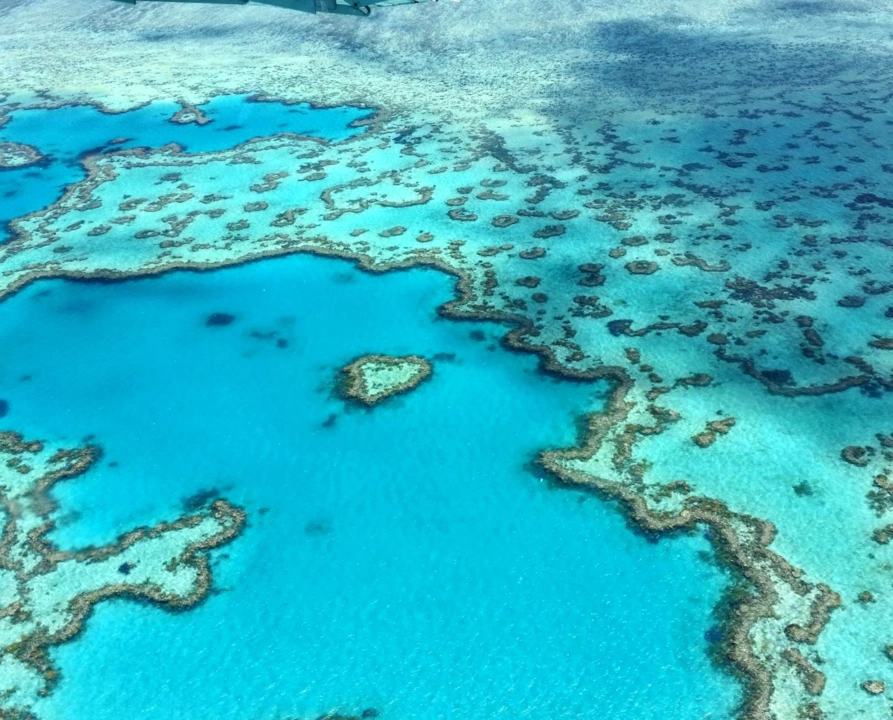
Heart Reef: A naturally heart-shaped coral formation in the Whitsunday section, visible only from the air. Iconic scenic helicopter flights from Hamilton Island or Airlie Beach. One of the most photographed natural features in Australia – ideal for proposals and milestone celebrations.
-
Heron Island: Southern Great Barrier Reef; a true coral cay sitting directly on the reef. One of Australia’s most significant green and loggerhead turtle nesting sites (November–March). Three to four thousand juvenile green turtles are resident year-round. Diving and snorkelling directly from the beach into the reef.
-
Lady Elliot Island: The manta ray capital of Australia, 46 nautical miles north-east of Bundaberg. More than 700 individually identified manta rays; year-round encounters. Queensland’s only coral island with an airstrip. Eco resort, world-class diving, and the southernmost island on the Great Barrier Reef.
-
Osprey Reef: 350 kilometres east of Cairns in the Coral Sea. Remote outer reef with vertical walls, crystal visibility and encounters with reef sharks, manta rays and pelagic species. Accessed by extended liveaboard or superyacht expedition.
-
Michaelmas Cay: Low-lying sand cay on the outer reef, designated national park. Major seabird nesting site with thousands of terns and boobies. Excellent snorkelling in the surrounding reef lagoon.
Best Time to Charter on the Great Barrier Reef
Dry Season: May to October (Recommended)
The ideal charter window. Clear skies, light winds, the best underwater visibility of the year and no stinger (jellyfish) risk from May through September. Water temperatures range from 22°C (winter) to 26°C (late spring) – comfortable for diving and snorkelling. June and July bring the dwarf minke whale season at the Ribbon Reefs. Humpback whales migrate through the reef system from June to September, with mothers and calves visible in the Whitsunday calving grounds. This is the period preferred by experienced charter guests and luxury operators.
Shoulder Season: October to November
Water temperatures rise through 26–28°C as the wet season approaches. October marks the beginning of stinger season – box jellyfish and Irukandji are present in coastal waters, and stinger suits are required for all water activities. However, this is also the lead-in to the annual coral spawning event, which occurs two to six nights after the first full moon in November or December. For guests willing to wear stinger suits, the spawning is an unparalleled experience. Green turtle nesting begins in November on the southern reef islands.
Wet Season: December to April
Hot, humid and monsoonal. Water temperatures peak at 29–30°C. Underwater visibility is reduced by plankton blooms and river runoff, particularly on the inner reef. Cyclone risk exists from November to April (rare but potentially severe). Stinger suits are essential. However, the wet season offers unique experiences: coral spawning (November–December), turtle nesting and hatching (November–March, with hatchlings emerging January–April on Heron Island and the Capricorn-Bunker islands), and bioluminescence that peaks in the warm, plankton-rich water. Outer reef sites often maintain excellent visibility even during the wet season.
Signature Experiences
- Dive the Cod Hole: Descend to the sandy floor of Ribbon Reef #10 and come face to face with resident potato cod – enormous, gentle groupers that approach divers with unnerving confidence. One of the world’s legendary dive sites, limited to small groups by GBRMPA regulations. Your crew anchors at the Ribbon Reefs and arranges a private dive experience.
- Swim with Dwarf Minke Whales: June and July only, at the Ribbon Reefs. Slip into the open water and float as curious dwarf minke whales approach within arm’s reach – the only place on earth where this encounter is possible. Pods of up to 28 have been recorded. An experience that redefines the meaning of wildlife encounter.
- Helicopter to Heart Reef: A scenic helicopter flight from Hamilton Island or Airlie Beach over the turquoise Whitsunday lagoons and fringing reefs to Heart Reef – the naturally heart-shaped coral formation visible only from the air. Ideal for proposals, anniversaries and once-in-a-lifetime photography.
- Manta Ray Encounters at Lady Elliot Island: Cruise to the southern Great Barrier Reef and dive or snorkel with more than 700 individually identified manta rays. Year-round encounters in crystalline water over the coral reef. Lady Elliot Island’s eco resort and airstrip make this a feasible day trip or overnight from Bundaberg.
- Coral Spawning Night Dive: November or December, two to six nights after the full moon. Your crew positions the yacht at an outer reef site for a night dive into the annual mass spawning – billions of coral polyps releasing eggs and sperm into the water column, creating underwater blizzards of pink and orange. Bioluminescence, predatory fish and a reef alive with reproduction. A once-in-a-lifetime dive.
- Turtle Nesting at Heron Island: November to March, green and loggerhead turtles haul themselves up Heron Island’s beaches to lay eggs. From January to April, hatchlings emerge and scramble to the sea. Anchor off the island and tender ashore at dusk for a guided nesting experience – profoundly moving and entirely natural.
- Indigenous Cultural Immersion: The Great Barrier Reef sits within the traditional lands and seas of the Kuku Yalanji people, whose culture stretches back 60,000-plus years. Arrange a private cultural tour with traditional owners: Welcome to Country ceremonies, Dreamtime storytelling, traditional spearfishing demonstrations, bush food foraging and rainforest walks through the Daintree – the ancient rainforest that meets the reef, the only place on earth where two UNESCO World Heritage sites exist side by side.
- Flames of the Forest Dinner: A private dining experience in the heart of the Daintree Rainforest near Port Douglas. Tables set beneath the rainforest canopy, candlelit, with a multi-course menu of native Australian ingredients and fine wines. Accessible from your yacht by road transfer – a singular evening that combines the reef and the rainforest in one charter day.
Yacht Types Available
-
Luxury Motor Yachts (78’–99’): The workhorse of a Great Barrier Reef charter. Speed and range to reach the outer reef (two to four hours from Cairns), Ribbon Reefs or the Whitsunday islands in a single day. Stabilisers for comfort in the Coral Sea’s open-water swells. Typical weekly charter: $40,000–$70,000 USD.
-
Superyachts (100’+): The ultimate reef exploration platform. Cairns Marlin Marina accommodates vessels up to 140 metres; Coral Sea Marina (Whitsundays) to 80 metres. Multiple tenders and water toys allow simultaneous diving, snorkelling and island exploration. Extended range for outer reef and Coral Sea expeditions. Typical weekly charter: $100,000–$250,000 USD.
-
Luxury Catamarans (55’+): Ideal for the protected waters of the Whitsundays and inner reef. Shallow draft allows anchorage close to coral cays and reef edges. Expansive deck space for reef viewing and open-air dining. Stable platform for families and snorkelling. Typical weekly charter: $30,000–$55,000 USD.
Frequently Asked Questions
How much does a yacht charter on the Great Barrier Reef cost?
Weekly charter rates on the Great Barrier Reef typically range from $30,000 to $250,000 USD depending on yacht type, season and itinerary. Luxury motor yachts (78’–99’) start from approximately $40,000 per week; superyachts (100’+) from $100,000 per week; luxury catamarans (55’+) from $30,000 per week. Additional costs include fuel (significant for outer reef passages), provisioning (typically 30–35% of the charter fee), the GBRMPA Environmental Management Charge (A$6.50 per person per day, capped at A$16.50 per trip), marina berthing fees, helicopter or seaplane transfers and 10% Australian GST on domestic charters.
What are the GBRMPA regulations for charter yachts?
The Great Barrier Reef Marine Park Authority (GBRMPA) manages the reef through a colour-coded zoning system. Green zones (Marine National Park) are no-take areas where diving, snorkelling and viewing are permitted but fishing and collecting are prohibited. Yellow zones (Conservation Park) allow limited recreational fishing. Blue zones (Habitat Protection) restrict potentially damaging activities. All charter vessels must pay the Environmental Management Charge, carry required permits, use established moorings where available (anchoring on live coral is prohibited), and comply with waste-management and sewage-containment regulations. Sensitive locations such as Cod Hole limit visitor numbers to 60 people per vessel including crew.
Do I need stinger suits on the Great Barrier Reef?
From October to May, box jellyfish and Irukandji jellyfish are present in Great Barrier Reef waters, particularly near the coast and inner reef. Full-body stinger suits (lightweight lycra, neck to ankles) are strongly recommended and typically provided by your charter crew during this period. Outside stinger season (June–September), the risk is negligible and suits are optional. Outer reef sites generally carry lower stinger risk than coastal waters year-round.
Can I dive the Great Barrier Reef without certification?
Snorkelling requires no certification and is accessible to guests of all ages and abilities. For scuba diving, PADI Open Water certification (or equivalent) is required for most reef sites. Introductory “discover scuba” experiences are available for uncertified guests at inner reef sites under direct instructor supervision. Advanced certification is recommended for the Ribbon Reefs, Osprey Reef and deeper outer reef sites. Your charter crew can arrange certified dive instructors and equipment to join the vessel for the duration of the charter.
When is the best time to see the coral spawning?
The annual mass coral spawning occurs two to six nights after the first full moon in November or December, when water temperatures reach 26–28°C. The exact timing varies by year and is monitored by marine biologists on the reef. Your charter broker can coordinate with local operators to position your yacht at an outer reef site during the spawning window. Note that this falls within stinger season, so stinger suits are required.
How do I get to the Great Barrier Reef?
Cairns is the primary gateway, with direct flights from Sydney (3 hours), Melbourne (3 hours 15 minutes), Brisbane (2 hours 30 minutes), and international connections from Singapore, Tokyo, Seoul and other Asian capitals. Port Douglas is 31 nautical miles north of Cairns (one hour by road). The Whitsundays are accessible via Hamilton Island Airport (direct flights from Sydney, Melbourne and Brisbane) or Proserpine/Whitsunday Coast Airport. From any of these gateways, helicopter and seaplane transfers can place guests on the outer reef or at island resorts within 30 to 60 minutes.
Can I combine multiple reef sections in one charter?
Yes, and it is one of the great advantages of a superyacht charter. A 7-day itinerary departing Cairns can cover the Ribbon Reefs and Cod Hole (northern outer reef), then cruise south through the Whitsunday Islands for sheltered anchorages, Whitehaven Beach and the inner reef lagoons. Extended charters of 10 to 14 days can traverse the entire northern-to-central reef system. For guests wishing to explore the southern reef (Heron Island, Lady Elliot Island), a separate itinerary departing from Bundaberg or Gladstone is recommended, or a scenic flight can connect the sections.
Ready to plan your Great Barrier Reef charter?
Tell us your dates and party size – we'll match you with the right yacht and crew.
25–30 min by road to Abell Point Marina
Every yacht is chartered fully crewed with a professional captain and crew, so no licence or sailing experience is required — you simply step aboard.
Best time to charter Australia
Local knowledgeThe Whitsundays' dry-season window means stinger-free swimming, Whitehaven's silica sands and the Great Barrier Reef on the doorstep.
