 Skip to content

 EN
EN  Deutsch
  Français
  Español
  Italiano
  日本語
日本語  Português


Cyprus · In this guide
Cyprus Guide: Luxury Yacht Charter in Cyprus
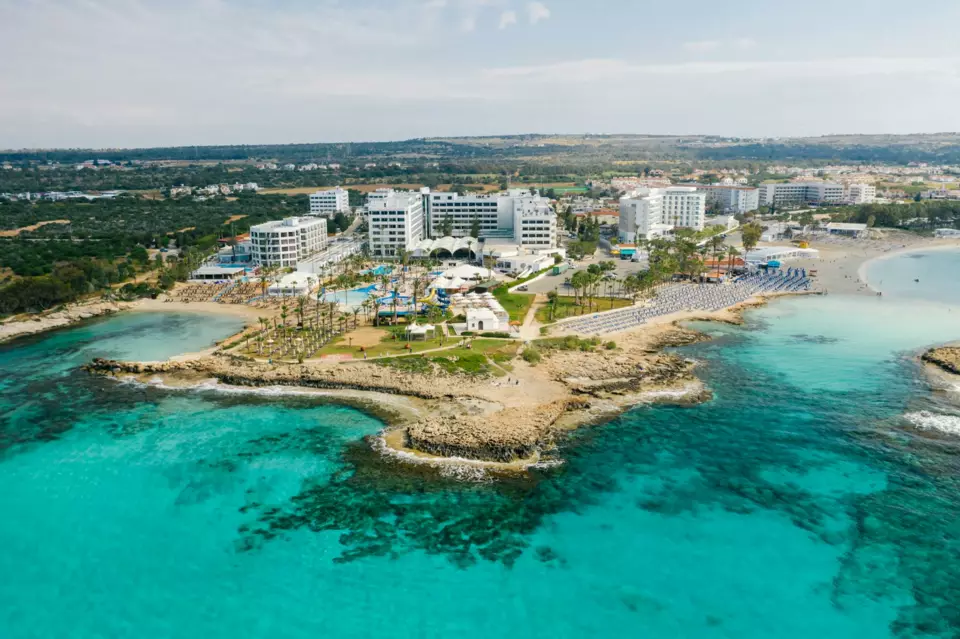

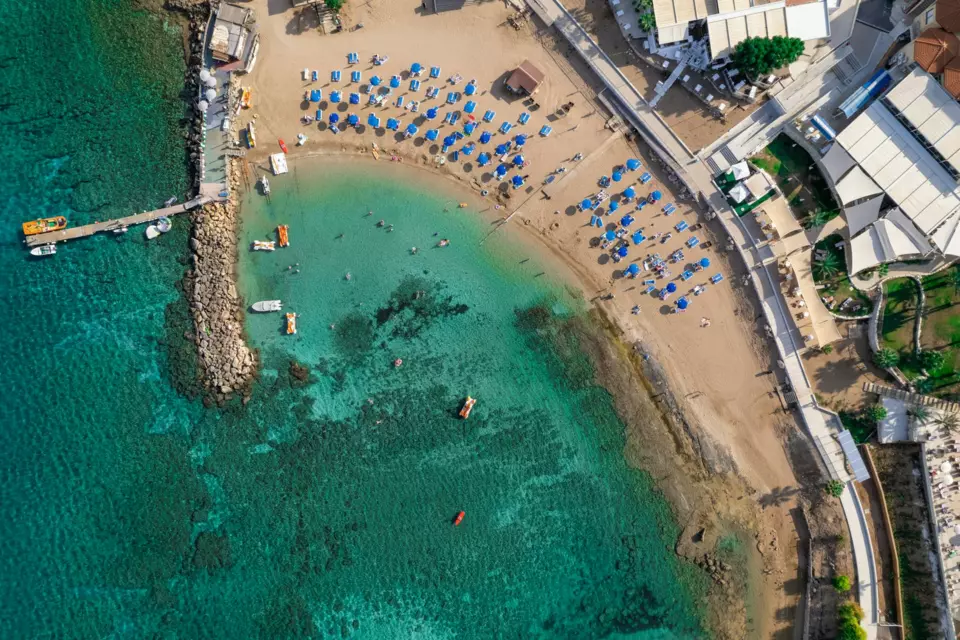
Cyprus floats in the warm eastern corner of the Mediterranean, closer to Beirut than to Athens, and blessed with a climate that delivers 340 days of sunshine a year and some of the warmest sea temperatures in Europe. The island is the Mediterranean’s third largest (after Sicily and Sardinia), with 640 kilometres of coastline that ranges from dramatic sea caves and wild national parkland on the Akamas Peninsula in the west to the golden-sand beach resorts of Ayia Napa in the east. In between lie ancient Greek amphitheatres, UNESCO-listed Roman mosaics, the legendary birthplace of Aphrodite, and a wine tradition that stretches back 5,000 years to the world’s oldest named wine, Commandaria. For charter guests, Cyprus offers a combination that is genuinely hard to find elsewhere: serious archaeological depth, a warm and welcoming food culture, spectacular underwater scenery and a charter season that stretches from April to November – longer than almost anywhere in the western Mediterranean.
The cruising ground centres on the southern coast, where Limassol Marina (650 berths, accommodating yachts up to 110 metres, with a 5,000-tonne floating dry dock and a helipad) provides the infrastructure that puts Cyprus on the superyacht map. From Limassol, Paphos and its UNESCO archaeological park are 42 nautical miles west, Larnaca’s marina and the resort bays of Ayia Napa are 38 nautical miles east, and the Akamas Peninsula’s wild Blue Lagoon is 75 nautical miles along the coast. The distances are longer than in the compact Balearics or Adriatic, but the reward is a coastline that feels uncrowded, unhurried and full of surprises – sea turtles nesting on empty beaches, sea caves you explore by tender without another boat in sight, and archaeological wonders that rival anything in mainland Greece. Enquire with Boatcrowd for availability and pricing on our Cyprus fleet.
Why Charter a Yacht in Cyprus
Mythology, Archaeology and 10,000 Years of History
Cyprus was the legendary birthplace of Aphrodite – the goddess of love is said to have risen from the sea foam at Petra tou Romiou, a dramatic limestone sea stack on the south-western coast between Paphos and Limassol. The myth set the tone for millennia: Paphos became the centre of Aphrodite worship across the entire Aegean world, with a temple erected by the Mycenaeans in the 12th century BC that remained in use through the Roman period. Today, the Paphos Archaeological Park (UNESCO World Heritage Site since 1980) holds four Roman villas – the Houses of Dionysos, Aion, Theseus and Orpheus – with some of the most beautiful mosaic floors in the eastern Mediterranean, depicting Greek gods, heroes and mythological scenes in extraordinary detail. The Tombs of the Kings, a rock-hewn necropolis carved into the cliffs in the 4th century BC for the island’s aristocracy, is a ten-minute drive from the harbour. Inland, the ancient amphitheatre of Kourion (built in the 2nd century BC, capacity 3,500) perches on a clifftop overlooking the sea, still used for summer performances, with acoustics that rank among the finest of any outdoor theatre in the world.
Spectacular Underwater Scenery and Marine Life
Cyprus’s eastern Mediterranean position, limestone geology and warm water produce some of the clearest seas in Europe. The Cape Greco sea caves on the south-eastern tip are the signature underwater experience: limestone formations carved by centuries of wave action into passageways, grottoes and rock bridges extending up to 80 metres underground, with visibility of 25–40 metres. Snorkel or dive through the tunnels, or explore by tender as the turquoise water shifts through a dozen shades of blue. Lara Bay, on the Akamas Peninsula’s western coast, is the only remaining breeding site for green sea turtles (Chelonia mydas) in the entire Mediterranean, with loggerhead turtles also nesting on the same beaches from May to August. The island’s remote coastline supports a small population of the critically endangered Mediterranean monk seal (roughly 17–20 individuals), occasionally spotted in sea caves along the wilder stretches of coast.
The Longest Charter Season in the Mediterranean
With 340 days of sunshine a year and sea temperatures that exceed 20°C from May to November, Cyprus offers an eight-month charter season that outstrips most western Mediterranean destinations by six to eight weeks. Mid-summer (July–August) brings daytime air temperatures of 30–33°C and sea temperatures of 27°C, while the shoulder months of May–June and September–October deliver comfortable warmth (23–28°C) with far fewer visitors and softer charter rates. Even April and November are swimmable for the adventurous, with sea temperatures around 20°C and air temperatures of 23–25°C. The upshot: you can charter in Cyprus when the western Mediterranean is still warming up or has already cooled down.
Wine, Food and Warm Cypriot Hospitality
Commandaria, Cyprus’s amber-coloured sweet dessert wine, is the oldest named wine still in production anywhere in the world – documented since 800 BC and named during the Crusades when the Knights Templar controlled the vineyard region above Kolossi Castle. It is made exclusively from two indigenous grape varieties, Xynisteri (white) and Mavro (red), grown in 14 designated villages in the Troodos Mountain foothills. Beyond Commandaria, Cyprus’s food culture is built around the meze – a grand procession of 20 to 30 small plates served over hours: cold dips, fresh salads, grilled halloumi (the island’s famous high-melting-point cheese), olives, seafood, kleftiko (slow-roasted lamb with garlic, bay leaves, lemon and oregano, sealed in a clay oven) and souvlaki. Your onboard chef can source everything from the morning markets, but stepping ashore for a traditional taverna meze is an essential part of the Cyprus experience.
Top Destinations in Cyprus
-
Akamas Peninsula and Blue Lagoon – The wild, uninhabited north-western tip of Cyprus. The Akamas National Park is a protected landscape of rugged cliffs, pine-covered hills and pristine beaches accessible only by sea or rough track. The Blue Lagoon, tucked into the peninsula’s western coastline, is a sheltered cove of startlingly clear turquoise water – ideal for a morning swim or tender exploration before the day-trip boats arrive. Nearby Lara Bay is the last remaining Mediterranean breeding site for green sea turtles.
-
Cape Greco Sea Caves – A protected nature park on Cyprus’s south-eastern tip, where centuries of wave action have carved a network of limestone caves, rock bridges and tunnels extending up to 80 metres underground. Visibility reaches 25–40 metres, making this one of the finest snorkelling and tender exploration sites in the eastern Mediterranean. Legend has it that pirates once used the caves to store their bounty.
-
Paphos – A UNESCO World Heritage harbour town with 10,000 years of continuous habitation. The Archaeological Park holds four Roman villas with extraordinarily preserved mosaic floors, the Tombs of the Kings (a 4th-century-BC rock-hewn necropolis), and the remains of Aphrodite’s temple. Paphos harbour is small (150 berths, yachts up to 15 metres), but larger yachts anchor offshore and tender in to explore.
-
Petra tou Romiou (Aphrodite’s Rock) – The legendary birthplace of the goddess of love: a dramatic cluster of limestone sea stacks rising from the surf on the south-western coast between Paphos and Limassol. Approach by yacht in the late afternoon for the best light, and swim around the rocks (local legend says three circuits grant eternal beauty). One of the most photographed sites in Cyprus and a natural sundowner stop.
-
Kourion – An ancient city-state perched on a clifftop above the sea, roughly 15 nautical miles west of Limassol. The Greco-Roman amphitheatre (2nd century BC, capacity 3,500) is still used for summer performances and offers some of the finest acoustics of any outdoor theatre. The site includes Roman villas with mosaic floors, public baths and an early Christian basilica. Visible from the sea as you cruise the southern coast.
-
Nissi Beach, Ayia Napa – A 500-metre crescent of white sand and crystal-clear turquoise water on the south-eastern coast, named for the tiny island (‘Nissi’ means island in Greek) connected to the mainland by a shallow sandbar. Blue Flag awarded, calm and shallow – ideal for families. Anchor offshore and tender in for a beach day with water sports, or let your crew set up a beach picnic.
Best Time to Charter a Yacht in Cyprus
Peak Season: July and August
High summer brings the warmest weather (30–33°C, occasionally reaching 37°C) and the warmest sea temperatures (27°C). The island is at its liveliest: beach bars, waterfront restaurants and cultural events run late into the evening, particularly around Ayia Napa and Limassol. It is the busiest and most expensive charter window, but the 640-kilometre coastline means you can always find a quiet anchorage even at peak times. North-westerly summer winds are generally gentle.
Shoulder Season: May, June, September and October
For many repeat charter guests, these months are the ideal window. May and June deliver warm, sunny days (25–29°C), sea temperatures comfortable for long swims (22–25°C), and far fewer visitors at the popular anchorages. September and October stay warm (25–28°C) with sea temperatures at their peak (26–27°C – warmer than peak summer in many western Mediterranean destinations). Charter rates soften, the light turns golden, and the archaeological sites are blissfully uncrowded. May and June also coincide with the start of turtle nesting season at Lara Bay.
Extended Season: April and November
Cyprus’s long season means comfortable charter conditions even in April (23–25°C daytime) and November (24–25°C daytime). The sea is still 20°C – swimmable for most – and the island is at its quietest. These months are ideal for guests who favour archaeology, wine-village visits in the Troodos foothills and unhurried coastal cruising over beach time.
Signature Experiences
- Cape Greco Sea Caves by Tender – Your crew takes you through the rock arches and into the cave network by tender, the turquoise water shifting colour with every turn. Snorkel through the tunnels with 30-metre visibility, watching the light refract through the limestone overhead. Afterwards, swim from the platform in the open water above the caves.
- Aphrodite’s Rock at Sunset – Approach Petra tou Romiou by yacht in the late afternoon as the limestone stacks glow gold against the sea. Anchor offshore and swim around the rocks as the sun drops – local legend says three circuits grant eternal beauty. Your crew serves rosé and meze on the aft deck as the sky turns from amber to violet.
- Turtle Watching at Lara Bay – From May to August, take the tender to the Akamas Peninsula’s western shore and watch for green and loggerhead sea turtles at the only remaining green-turtle breeding site in the Mediterranean. Your crew knows the respectful viewing distance, and the empty beach and crystal water make the experience feel truly wild.
- Commandaria Wine Trail – Step ashore at Limassol and drive 45 minutes into the Troodos foothills to visit the 14 designated Commandaria wine villages. Taste the world’s oldest named wine – a rich, amber dessert wine made from sun-dried Xynisteri and Mavro grapes – alongside local cheeses and cured meats. Return to the yacht for a sunset departure along the coast.
- Kourion by Morning Light – Anchor off the Kourion coast and tender ashore for an early visit to the cliff-top amphitheatre before the tour groups arrive. Sit in the 2nd-century-BC stone seats, test the acoustics that still carry a whisper across 3,500 seats, and take in the sweeping Mediterranean view. Walk through the Roman mosaics and early Christian basilica, then return to the yacht for brunch on the aft deck.
- Meze Ashore at a Traditional Taverna – Your crew recommends a family-run taverna near the harbour – perhaps Shiftouris in Larnaca (family-run for over a century, famous for kleftiko baked in a traditional wood-fired oven) or Antigo Mezedopoleio in Paphos. Settle in for two hours of small plates: halloumi, hummus, grilled octopus, loukaniko sausage, kleftiko and local wines. This is Cyprus at its most generous and convivial.
Yacht Types Available
-
Motor Yachts (55’–99’) – The most versatile choice for Cypriot charters. These crewed vessels typically accommodate 6–10 guests in 3–4 en-suite cabins, with crews of 3–5. Cruising speeds of 18–28 knots cover the island’s longer coastal distances comfortably – Limassol to Paphos in roughly two hours, Limassol to Ayia Napa in under two. Modern flybridge layouts include jacuzzi, water toys and flexible itinerary options. Weekly rates typically start from around $28,000–$48,000 depending on season and inclusions.
-
Superyachts (100’+) – Limassol Marina accommodates superyachts up to 110 metres, with a 5,000-tonne floating dry dock, 100-tonne travel lift, helipad and full concierge services. Expect crews of 6–15+, expansive deck areas, lavish staterooms and every water toy. Superyacht charters in Cyprus typically run on MYBA terms (base rate plus APA of 30–35%). Weekly rates for 100’–130’ superyachts start from roughly $80,000–$155,000. Crew gratuity is customarily 10–15%.
-
Luxury Catamarans (55’+) – Premium power catamarans offer exceptional stability in the eastern Mediterranean’s gentle swells and a shallow draft ideal for nosing into the Akamas Blue Lagoon, Cape Greco’s sea caves and the island’s tightest coastal inlets. Catamarans sleep 6–10 guests with a crew of 3–4, and their twin-hull design virtually eliminates rolling. Ideal for families, multi-generational groups and guests who appreciate generous deck space. Weekly rates start from approximately $28,000–$42,000 depending on season.
Frequently Asked Questions
How much does a yacht charter in Cyprus cost?
Charter pricing depends on yacht size, type, season and inclusions. As a broad guide, crewed motor yachts in the 55’–99’ range start from around $28,000–$48,000 per week during peak season (July–August). Superyachts (100’–130’) typically start from $80,000–$155,000 per week on MYBA terms – the base rate plus an APA (usually 30–35%) covering fuel, food, beverages and dockage. Luxury catamarans start from roughly $28,000–$42,000 per week. Shoulder-season rates (May–June, September–October) are typically 15–20% softer. Crew gratuity is customarily 10–15%. Enquire with Boatcrowd for a personalised quote.
Are luxury catamarans available for charter in Cyprus?
Yes. Boatcrowd’s Cyprus fleet includes premium power catamarans in the 55’–80’ range. Their shallow draft opens up anchorages in the Akamas Blue Lagoon, Cape Greco’s sea caves and coastal inlets that deeper-keeled yachts cannot reach, while the twin-hull stability makes them ideal for the eastern Mediterranean’s gentle conditions. Most come fully crewed with captain, chef and steward/ess on an all-inclusive basis.
Can I charter a yacht in Cyprus for a film or TV production?
Cyprus has a growing reputation as a filming location, thanks to its archaeological sites, dramatic coastline, reliable sunshine (340 days a year) and competitive production costs. The island’s ancient amphitheatres, sea caves, UNESCO mosaics and wild Akamas Peninsula provide period-ready and contemporary settings. Boatcrowd can arrange production-friendly charters with yachts that accommodate camera crews and equipment, and our team coordinates with local authorities for filming permits and logistical support.
Is Cyprus a good destination for a proposal, honeymoon or milestone birthday?
Cyprus is steeped in the mythology of love – it is, after all, the birthplace of Aphrodite. Your crew can orchestrate a sunset proposal at Petra tou Romiou with champagne and the goddess’s legendary rock as the backdrop, a honeymoon dinner prepared by your private chef at anchor off the Akamas Blue Lagoon, or a milestone birthday celebration on the sun deck with the ancient amphitheatre of Kourion illuminated on the clifftop above. The combination of mythology, warm turquoise water and world-class onboard service makes every celebration feel timeless.
Can I bring the whole family, including grandparents and young children?
Multi-generational family charters are very popular in Cyprus. The island’s warm, gentle waters, long charter season and family-friendly anchorages (Nissi Beach’s shallow turquoise shallows, the Akamas Blue Lagoon, sheltered bays near Paphos) make it a natural choice. Children love snorkelling the Cape Greco caves, spotting turtles at Lara Bay and building sandcastles at Nissi. Grandparents appreciate the archaeological shore excursions, taverna meze lunches and attentive crew service. Catamarans are especially popular for families.
Can I combine Cyprus with other eastern Mediterranean destinations?
Yes. Cyprus’s position in the eastern Mediterranean makes it a natural starting point for multi-destination charters. Lebanon is just 105 kilometres to the north-east, Greece’s Dodecanese islands (Rhodes, Kos) are within a day’s cruise to the north-west, and Egypt’s coast is 380 kilometres to the south. Your Boatcrowd charter specialist can design an extended itinerary combining Cyprus with the Greek islands, the Turkish coast or a return via Crete.
What marine life will I see in Cyprus?
Cyprus is one of the few Mediterranean destinations where you stand a genuine chance of spotting sea turtles from the yacht. Green sea turtles and loggerhead turtles nest at Lara Bay on the Akamas Peninsula from May to August – the only remaining green-turtle breeding site in the Mediterranean. The island also supports a small population of the critically endangered Mediterranean monk seal (roughly 17–20 individuals), occasionally spotted in sea caves along the wilder stretches of coast. Snorkellers and divers at Cape Greco regularly encounter colourful reef fish, octopus and nudibranchs in 25–40 metres of visibility.
Ready to plan your Cyprus charter?
Tell us your dates and party size – we'll match you with the right yacht and crew.
35–45 min by road to Limassol Marina
Every yacht is chartered fully crewed with a professional captain and crew, so no licence or sailing experience is required — you simply step aboard.
Best time to charter Cyprus
Local knowledgeOne of the Mediterranean's longest charter windows – reliable sunshine from spring to late autumn along a coastline of sea caves and blue lagoons.
