 Skip to content

 EN
EN  Deutsch
  Français
  Español
  Italiano
  日本語
日本語  Português


Costa Rica · In this guide
Costa Rica Guide: Luxury Yacht Charter in Costa Rica
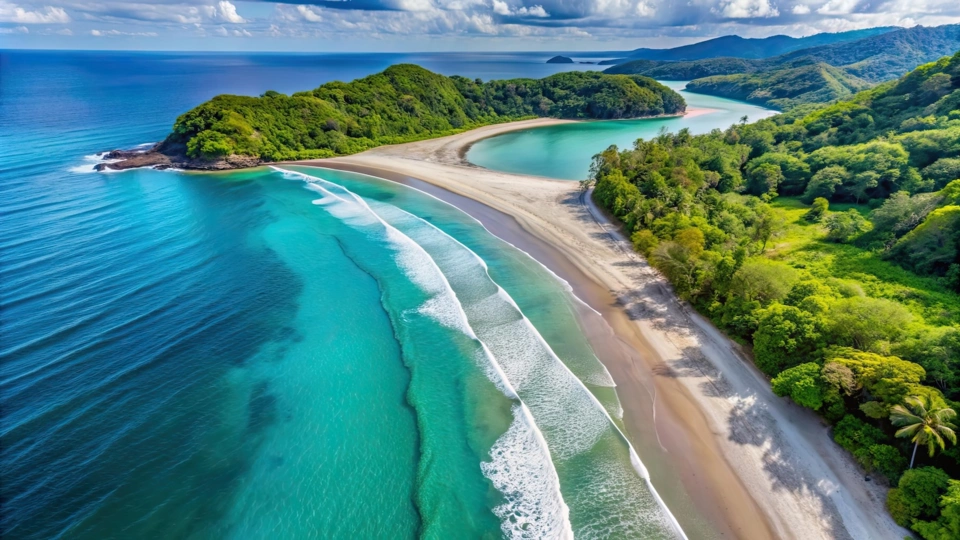
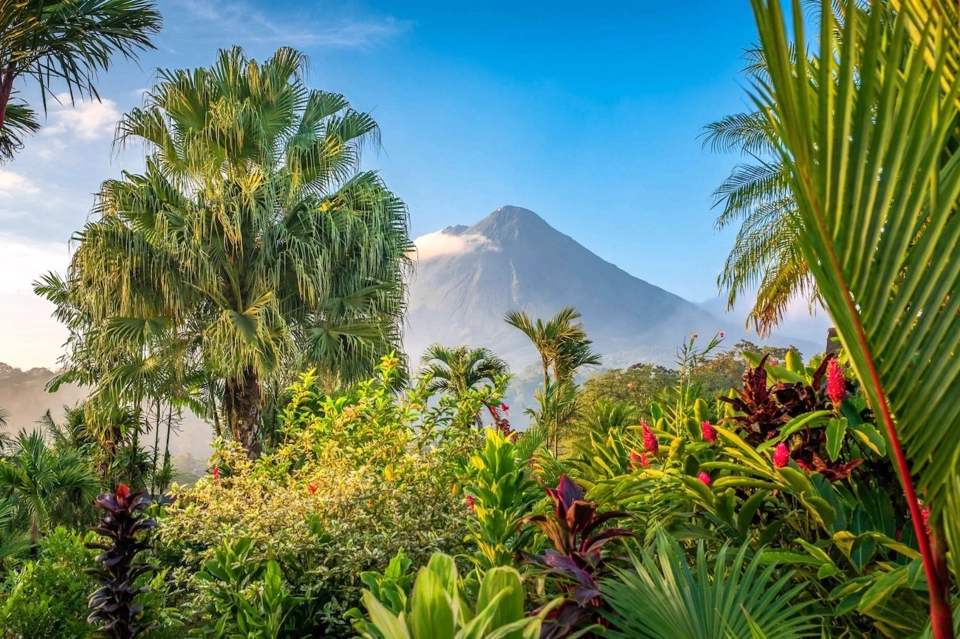
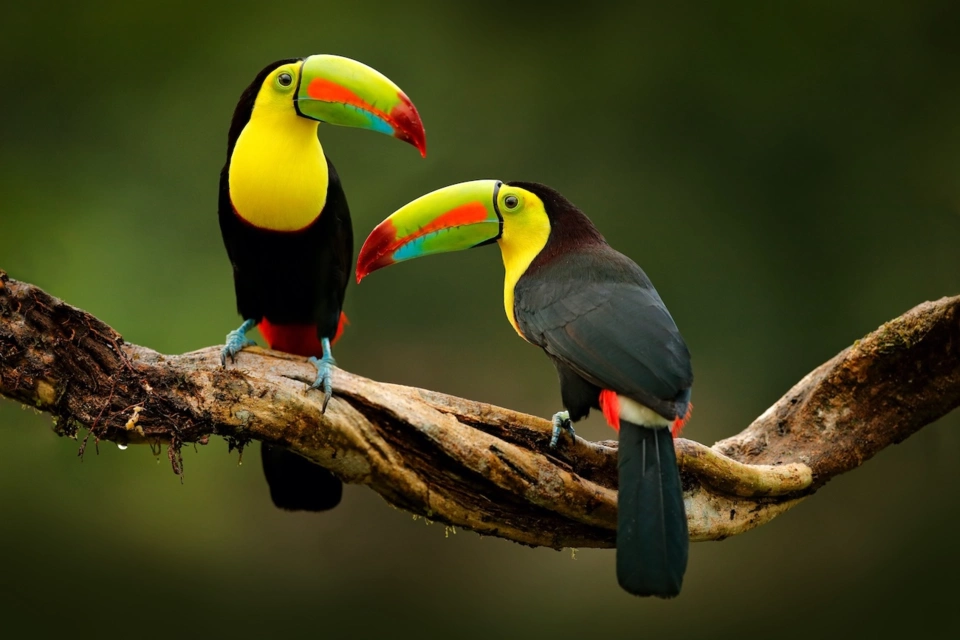
Costa Rica’s Pacific coastline stretches over 1,000 kilometres from the dry-forest headlands of Guanacaste in the north to the wild, jungle-draped Osa Peninsula in the south, one of the most biologically diverse corridors on Earth. In between lies a cruising ground of sheltered gulfs, volcanic islands and national-park anchorages that few charter destinations can rival. The Gulf of Papagayo opens the voyage with calm, reef-protected bays beneath sun-baked hillsides; the Nicoya Peninsula scatters a chain of islands and hidden coves across a warm, fish-rich sea; and the Central Pacific coast delivers the postcard moment where rainforest canopy tumbles right down to white sand, monkeys swinging overhead while your yacht rides at anchor in the bay below.
For yacht charter guests, Costa Rica offers something genuinely rare: a country where roughly 25% of the land is protected national park or biological reserve, where humpback whales visit from both hemispheres (the northern population from December to March, the southern from July to November), and where world-class diving, from the manta-ray cleaning stations of the Catalina Islands to the hammerhead-patrolled pinnacles of Ca-o Island, sits within comfortable cruising range of full-service marinas. Marina Papagayo in the north accommodates yachts up to 76 metres across 180 berths; Los Sue’os Marina in the Central Pacific offers 200 wet slips for vessels up to 55 metres; and Marina Bah’a Golfito in the remote south handles superyachts up to 107 metres in a mangrove-protected harbour.
Whether you’re planning a long weekend exploring the bays around Papagayo, a week-long Pacific coast passage from Guanacaste to the Osa Peninsula, or a dedicated dive charter built around the Bat Islands and Catalina Islands, Costa Rica delivers a charter experience where wildlife, adventure and barefoot luxury intersect at every anchorage. Start planning your Costa Rica charter with Boatcrowd and let our team design the perfect itinerary.
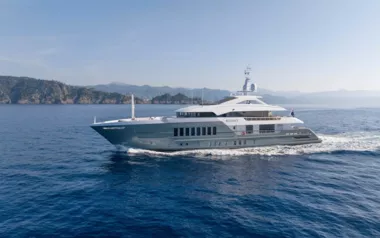
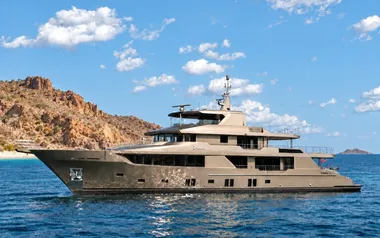
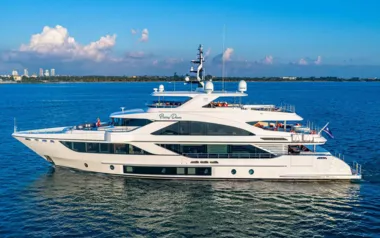
Ready to plan your Costa Rica charter?
Tell us your dates and party size, we'll match you with the right yacht and crew.
Why Charter a Yacht in Costa Rica
Two Humpback Whale Populations: Year-Round Encounters
Costa Rica is one of the only countries on Earth visited by humpback whales from both hemispheres. The southern population migrates north from Antarctic waters between July and November, one of the longest mammal migrations on the planet, while the northern population arrives from December to March to breed and nurse their calves in the warm Pacific shallows. The practical result for charter guests is simple: there is almost always a season for whale watching. The waters off Drake Bay, Ca’o Island and the Golfo Dulce are particular hotspots, and your captain will know exactly where the pods are gathering on any given week. Encounters with mothers and calves in the glassy morning water, often within 50 metres of the yacht, are among the most moving wildlife experiences in the Americas.
Corcovado: The Most Biologically Intense Place on Earth
National Geographic famously described Corcovado National Park on the Osa Peninsula as “the most biologically intense place on Earth”, and it earns the title. This 424-square-kilometre wilderness protects lowland tropical rainforest, mangrove swamp, palm forest and coastal marine habitat that together support all four of Costa Rica’s monkey species (white-faced capuchins, howlers, spider monkeys and the rare squirrel monkey), Baird’s tapir, jaguars, scarlet macaws and an estimated 2.5% of the world’s total biodiversity. Approach by yacht from Drake Bay or Golfo Dulce and your crew arranges guided forest walks with certified naturalists. The combination of pristine jungle, deserted Pacific beaches and world-class snorkelling on the reef at Ca’o Island, just 16 kilometres offshore, is unmatched anywhere in Central America.
World-Class Diving at Your Doorstep
Costa Rica’s Pacific waters host some of the most exciting diving in the Americas. The Catalina Islands, a cluster of 20 rocky islets north of the Nicoya Peninsula, are famous for giant Pacific manta rays, spotted eagle rays and white-tip reef sharks, with visibility often exceeding 20 metres between November and May. The Bat Islands (Islas Murci’elago) off the Guanacaste coast attract bull sharks between May and November, an adrenaline-charged encounter suited to experienced divers. Ca’o Island, 16 kilometres off the Osa Peninsula, offers pinnacles, swim-throughs and drop-offs alive with reef fish, turtles and the occasional hammerhead. And for the truly committed, Cocos Island, a UNESCO World Heritage Site 500 kilometres offshore, often called “the little Gal’apagos”, delivers schools of scalloped hammerheads, whale sharks and oceanic mantas on a scale few places on Earth can match.
A Coastline Where Jungle Meets the Sea
What sets Costa Rica apart from other yacht charter destinations is the sheer drama of the shoreline. This is not a flat, palm-fringed coast, it is a wall of green. Primary rainforest cascades down volcanic hillsides to meet white-sand beaches, howler monkeys call from the canopy as your tender approaches, and three-toed sloths hang motionless in cecropia trees directly above the waterline. Manuel Antonio National Park, accessible by yacht from Los Sue’os Marina, is perhaps the most vivid example: troops of white-faced capuchins patrol the beach, scarlet macaws flash overhead, and the warm, reef-sheltered water is calm enough for young swimmers. Anchor in the bay, tender ashore, and you are in one of the most celebrated wildlife encounters in the tropics within minutes.
Top Destinations Near Costa Rica
-
Gulf of Papagayo, Costa Rica’s premier yachting base in the north-west corner of the Pacific coast. Marina Papagayo offers 180 berths for vessels up to 76 metres, with fuel, provisioning and full resort access. The surrounding coastline is carved into a series of sheltered bays, Playa Hermosa, Playa del Coco, Playa Ocotal, backed by dry tropical forest and bathed in year-round sunshine. The Catalina Islands lie roughly 20 nautical miles to the south, an easy half-day passage for a morning dive on the manta-ray cleaning stations.
-
Catalina Islands, A cluster of 20 rocky islets roughly 20 nautical miles south-west of Papagayo, renowned for giant Pacific manta rays with wingspans exceeding four metres. The diving here is outstanding between November and May, with cleaning stations that attract mantas, eagle rays, devil rays and white-tip reef sharks. Visibility regularly exceeds 20 metres. A natural day-trip from Papagayo or an overnight stop on a longer southbound passage.
-
Bat Islands (Islas Murci’elago), A group of volcanic islets off the north-west tip of the Nicoya Peninsula, within the Santa Rosa National Park marine zone. Famous among experienced divers for seasonal bull-shark encounters (May to November) and dramatic underwater topography, walls, pinnacles and strong currents that attract large pelagics. Roughly 35 nautical miles from Marina Papagayo.
-
Tortuga Island (Isla Tortuga), A pair of idyllic islands in the Gulf of Nicoya, roughly 50 nautical miles south-east of Papagayo. White-sand beaches, calm turquoise water and excellent snorkelling over shallow reef make Tortuga the quintessential tropical day-charter stop. Your crew sets up a beach picnic beneath the palms while you swim, paddleboard and explore by tender.
-
Manuel Antonio, One of Costa Rica’s most celebrated national parks, where primary rainforest meets the Pacific. Accessible by yacht from Los Sue’os Marina (roughly 30 nautical miles south), the park’s beaches and trails are alive with capuchin monkeys, sloths, iguanas and scarlet macaws. Anchor in the bay and tender ashore for a guided wildlife walk, the combination of jungle and sea is unforgettable.
-
Ca’o Island, A biological reserve 16 kilometres off the Osa Peninsula’s western coast. The underwater topography, pinnacles, walls, swim-throughs, supports an extraordinary diversity of marine life: hammerhead sharks, white-tip reef sharks, turtles, eagle rays and dense schools of jack and snapper. Often described as “a little Cocos Island” without the 500-kilometre offshore passage. Visibility is best from January to June.
-
Drake Bay, Named after Sir Francis Drake, who reportedly anchored here in 1579. This remote bay on the northern edge of the Osa Peninsula is the jumping-off point for Ca’o Island diving and Corcovado National Park excursions. Humpback whales frequent these waters from July to November and again from December to March. The anchorage is scenic, the jungle backdrop wild, and the sense of isolation total.
-
Golfo Dulce, A deep, landlocked gulf on the southern Pacific coast, often described as a tropical fjord. The warm, nutrient-rich waters support humpback whales, four species of sea turtle, Gal’apagos hammerhead sharks, bottlenose dolphins and spotted eagle rays. Marina Bah’a Golfito, in the town of Golfito, accommodates superyachts up to 107 metres. The surrounding Osa Peninsula rainforest is among the most pristine on Earth.
Best Time to Charter a Yacht in Costa Rica
Dry Season: December to April
The Pacific coast’s dry season brings the most comfortable charter conditions: clear skies, calm seas, warm air temperatures of 27 to 32’C (80 to 90’F) and water temperatures of 26 to 29’C. Visibility for diving and snorkelling is at its peak, particularly at the Catalina Islands and Ca’o Island from January to April. The northern humpback whale population is present from December to March. This is Costa Rica’s peak tourism season, and the most popular charter yachts book out well in advance, particularly over Christmas, New Year and Easter. January through March offers excellent conditions.
Green Season: May to November
Costa Rica’s green season brings warm temperatures, lush landscapes and short afternoon rain showers that rarely last more than a couple of hours. Mornings are typically sunny and calm, ideal for diving, snorkelling and tender excursions, with the rain arriving in the mid-to-late afternoon. The southern humpback whale population arrives from July and stays through November, making August to October one of the finest periods for whale watching along the Osa Peninsula and in the Golfo Dulce. Bull sharks appear at the Bat Islands from May. The anchorages are noticeably quieter. For wildlife-focused guests, the green season often delivers the most memorable encounters.
Year-Round Wildlife Calendar
Costa Rica’s position between two continents and two oceans creates a wildlife calendar with no true off-season. Manta rays are most abundant at the Catalina Islands from November to May. Sea turtles nest along both coasts year-round (leatherbacks at Playa Grande from October to March, olive ridleys at Ostional from July to December). Scarlet macaws, sloths and monkeys are visible in the coastal forests every day of the year. For charter guests, the question is not whether to visit but which season’s wildlife highlights match your interests.
Signature Experiences
- Sunrise Snorkel with Manta Rays at the Catalina Islands, Have your captain position the yacht off the cleaning stations before dawn. As the first light breaks, slip into water alive with giant Pacific mantas, wingspans exceeding four metres, gliding in slow, graceful circles as cleaner fish work the underside of their wings. Your chef has fresh tropical fruit, pastries and Costa Rican coffee waiting on the aft deck when you surface.
- Corcovado Jungle Walk from Drake Bay, Anchor in Drake Bay and tender ashore for a guided walk into the most biologically dense forest on Earth. Your naturalist guide spots what you’d miss: a tiny poison-dart frog on a leaf, a sleeping fer-de-lance coiled on the trail, a troop of spider monkeys crashing through the canopy overhead. Return to the yacht for a cold shower and lunch on the aft deck with the jungle humming behind you.
- Humpback Whale Watch in the Golfo Dulce, Cruise the glassy waters of this tropical fjord between July and November as southern humpback whales breach, spy-hop and nurse their calves in the warm shallows. The gulf’s enclosed geography and calm conditions mean encounters are often remarkably close, mothers with newborn calves resting at the surface while your crew keeps a respectful distance. A champagne sundowner on the aft deck as the sun sets behind the Osa Peninsula completes the day.
- Feet-in-the-Sand Dinner at Manuel Antonio, Anchor in the bay and tender ashore for dinner at one of the clifftop restaurants overlooking the Pacific. Grilled catch, ceviche and Costa Rican casados served as the sun drops through the canopy and white-faced capuchins settle in the trees above. The combination of jungle, beach and Pacific sunset is quintessentially Costa Rican.
- Bull Shark Dive at the Bat Islands, For experienced divers, the Bat Islands offer one of Central America’s most exhilarating encounters. Descend to 20 to 25 metres in the current-swept channels between the volcanic islets and watch bull sharks patrol the blue. The season runs from May to November, with the best visibility and largest aggregations in June and July. Surface to a cold beer and the trade wind drying your skin on the aft deck.
- Monkey Beach Morning at Tortuga Island, Cruise to this idyllic pair of islands in the Gulf of Nicoya and anchor in turquoise shallows. Your crew sets up paddleboards and snorkelling gear while the chef prepares a full beach barbecue. Howler monkeys call from the forested hillside, frigate birds wheel overhead, and the water is warm enough to stay in all morning. The pace of life here is exactly what a yacht charter should feel like.
Yacht Types Available
Costa Rica’s Pacific coast is a growing charter destination with an expanding yacht fleet. Marina Papagayo and Los Sue’os Marina serve as the primary bases, with a seasonal fleet of motor yachts, superyachts and luxury catamarans available for crewed charters. Your Boatcrowd charter specialist can source the right vessel for your group, whether based locally or repositioned from other Pacific or Caribbean ports.
-
Luxury Motor Yachts (78’-99’), A growing fleet of crewed motor yachts operates from Costa Rica’s Pacific marinas, offering speed and flexibility for multi-stop itineraries along the coast. Cruising at 18 to 28 knots, a motor yacht covers the 30-nautical-mile run from Los Sue’os to Manuel Antonio in under two hours, making a week-long Pacific coast passage comfortable and unhurried. Accommodation for 6 to 8 guests in 3 to 4 en-suite cabins, with a crew of 3 to 5 and a full complement of water toys including diving equipment.
-
Superyachts (100’+), Marina Papagayo accommodates superyachts up to 76 metres, while Marina Bah’a Golfito in the south handles vessels up to 107 metres. Several superyachts transit Costa Rica’s Pacific coast each winter and summer season. A superyacht charter here pairs the country’s extraordinary biodiversity, whales, mantas, jungle wildlife, with the space, privacy and five-star service of a floating resort.
-
Luxury Catamarans (55’+), Premium power catamarans are increasingly popular for Costa Rica charters, offering exceptional stability in the Pacific swells, generous deck space and a shallow draft ideal for nosing into reef-protected bays and river-mouth anchorages. Fully crewed with captain, chef and steward/ess, these vessels typically sleep 6 to 10 guests in spacious cabins. Their twin-hull design virtually eliminates rolling, a real advantage on the exposed Pacific crossings.
Median weekly rate $180,000. Base rate, before APA and tax.
Frequently Asked Questions
How much does a yacht charter in Costa Rica cost?
Charter pricing depends on yacht size, type, season and inclusions. Luxury catamarans (55’-80’) are fully crewed with captain, chef and steward/ess. Most charters operate on an all-inclusive or MYBA terms basis, the base rate plus an Advance Provisioning Allowance (a median of 35% across the yachts listed in Costa Rica) covering fuel, food, drinks and dockage. Crew gratuity is customarily 10 to 15%. Enquire with Boatcrowd for a personalised quote based on your dates, group size and preferences.
Are luxury catamarans available for charter in Costa Rica?
Yes, and they are increasingly popular for Pacific coast itineraries. Boatcrowd’s fleet includes premium power catamarans in the 55’-80’ range, ideal for Costa Rica’s waters thanks to their stability in ocean swells, shallow draft for reef-protected anchorages, and generous living space. Catamarans come fully crewed and are particularly popular with families and multi-generational groups who appreciate the wide beam, minimal rolling, and easy swim-platform access. The twin-hull design also allows access to shallower bays and river-mouth anchorages that deeper-hulled yachts cannot reach.
Can I charter a yacht in Costa Rica for a film or TV production?
Yes. Costa Rica’s dramatic Pacific coastline, primary rainforest, volcanic landscapes and extraordinary wildlife have attracted major productions including Jurassic Park (the film’s fictional setting), After Earth starring Will Smith, Spy Kids 2 at Manuel Antonio and Arenal Volcano, and countless nature documentaries for National Geographic, BBC and Discovery Channel. The country offers diverse tropical locations within short distances, jungle, volcano, beach and open ocean, and roughly 25% of the land is protected national park, providing pristine backdrops. Boatcrowd can arrange production-friendly charters with yachts that accommodate camera crews and equipment, and coordinate with local authorities for filming permits.
Is Costa Rica a good destination for a proposal, honeymoon or milestone birthday?
Costa Rica is outstanding for celebrations. Your crew can arrange a sunset proposal on a deserted Osa Peninsula beach, with champagne and a photographer arriving by tender. A honeymoon itinerary might weave between a private manta-ray snorkel at the Catalina Islands, a couples’ guided walk through Corcovado’s rainforest, and a candlelit dinner on the aft deck as humpback whales breach in the distance. Milestone birthdays are equally memorable, a beach barbecue on Tortuga Island, a bull-shark dive at the Bat Islands for the adventurous, or a week-long Pacific coast passage that combines wildlife, diving and gourmet dining at every stop. Let Boatcrowd know the occasion when you enquire and we’ll ensure every detail is tailored.
Can I bring the whole family, including grandparents and young children?
Absolutely. Costa Rica is one of the most family-friendly charter destinations in the Americas. The calm, warm waters of the Gulf of Papagayo and Manuel Antonio are ideal for young swimmers, while the abundant wildlife, monkeys, sloths, turtles, colourful reef fish, keeps children enthralled. Catamarans offer the widest, most stable platform for multi-generational groups, with easy swim-platform access and plenty of space for everyone. Crews are experienced with guests of all ages: children get age-appropriate snorkelling instruction and kid-friendly menus, while grandparents appreciate calm anchorages, shaded sun lounges and attentive service. The wildlife walks at Manuel Antonio and Corcovado are suitable for all fitness levels with the right guide.
Can I combine Costa Rica with Panama in one charter?
Yes, and it’s an increasingly popular itinerary. The Pacific coastline from Costa Rica’s Golfo Dulce to Panama’s Gulf of Chiriqu’ and Coiba National Park (a UNESCO World Heritage Site) is a natural extension of any southbound Costa Rica passage. The crossing from Golfito to the Panamanian border is just 15 nautical miles, making a combined charter straightforward. A 7 to 8 day voyage can cover Costa Rica’s Osa Peninsula, Drake Bay and Ca’o Island diving before crossing into Panama for the pristine reefs and whale-watching grounds of Coiba. Your Boatcrowd charter specialist will design a cross-border route that balances cruising time with time at anchor.
When is the best time to see whales in Costa Rica?
Costa Rica is remarkable for having two distinct humpback whale seasons. The northern hemisphere population visits from December to March, while the southern hemisphere population, which undertakes one of the longest migrations of any mammal, arrives between July and November. August to October typically delivers the highest concentration of whales along the Pacific coast, particularly in the Golfo Dulce and around the Osa Peninsula. Your crew and local guides will know exactly where the pods are on any given day. Bottlenose and spotted dolphins are present year-round.
Ready to plan your Costa Rica charter?
Tell us your dates and party size, we'll match you with the right yacht and crew.
20 to 30 min by road to Marina Papagayo
Every yacht is chartered fully crewed with a professional captain and crew, so no licence or sailing experience is required, you simply step aboard.
What a Charter in Costa Rica Costs Today
The Monthly Price Index · October 2026, low season
Best time to charter Costa Rica
Local knowledgeThe Pacific dry season lines up surf breaks, sailfish grounds and rainforest anchorages where howler monkeys provide the morning call.
