 Skip to content

 EN
EN  Deutsch
  Français
  Español
  Italiano
  日本語
日本語  Português


Brisbane · In this guide
Brisbane Guide: Luxury Yacht Charter in Brisbane


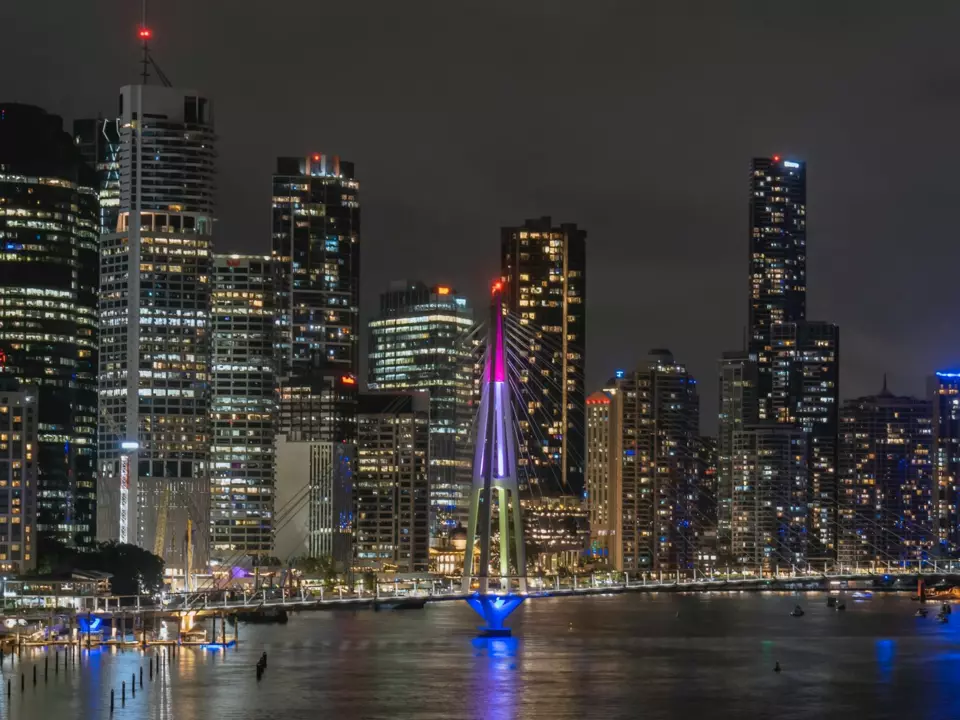
Brisbane’s Moreton Bay is Australia’s best-kept charter secret. A 3,400-square-kilometre marine park stretching 115 kilometres from the Gold Coast to Caloundra, sheltered from the Pacific by three barrier islands – Moreton Island, North Stradbroke Island and Bribie Island – and dotted with over 350 islands of every size and character. This is subtropical cruising at its finest: warm water year-round, resident populations of dugongs and dolphins, migrating humpback whales, sea turtles nesting on sandy beaches, and some of Queensland’s best snorkelling just minutes from a modern capital city of 2.5 million people. And yet, for all its natural wealth, Moreton Bay remains remarkably uncrowded – most charter traffic concentrates in the Whitsundays, leaving these sheltered waters largely to local fishing boats, the occasional catamaran and, increasingly, visiting superyachts.
The bay’s star attraction is Moreton Island – the world’s third-largest sand island, 37 kilometres long, 98% national park, with Mount Tempest rising 280 metres (reputedly the highest stabilised coastal sandhill on earth). Off its western shore, fifteen vessels were deliberately sunk between 1963 and the 1980s to form the Tangalooma shipwrecks – now Queensland’s top-rated snorkelling site, encrusted with 130 coral species and patrolled by 200-plus fish species, wobbegong sharks and sea turtles. At sunset, wild bottlenose dolphins wade into the shallows at Tangalooma for a hand-feeding programme that has run for decades. North Stradbroke Island (Minjerribah) adds world-class headland walks at Point Lookout and surf beaches on the eastern shore. And Brisbane itself, anchored by the Howard Smith Wharves precinct beneath the Story Bridge, provides a waterfront dining and drinking scene that has transformed the city’s reputation.
Whether you’re planning a day charter through the Brisbane River and across to Moreton Island, a weekend exploring the bay’s sand islands and marine life, or a multi-day passage linking Brisbane, the bay and the Gold Coast, this guide covers every anchorage, every season and every experience. Enquire with Boatcrowd for availability and pricing on our Brisbane fleet.
Why Charter a Yacht in Brisbane
The World’s Most Urban Dugong Population
Moreton Bay hosts between 600 and 800 dugongs – the most urbanised dugong population on earth, living just kilometres from a city of 2.5 million. These gentle, slow-moving marine mammals (related to elephants, believe it or not) graze on the bay’s vast seagrass meadows, and sightings from a yacht – a grey-brown shape rolling to the surface, breathing, and descending in a cloud of silt – are a genuine privilege. Dugongs are listed as vulnerable to extinction by the IUCN, and Moreton Bay’s special protection zones (including boat-free areas) help safeguard one of the most important populations in the world. Your captain knows the seagrass beds and the respectful viewing distances.
Tangalooma Shipwrecks
Fifteen vessels were deliberately sunk off Moreton Island’s western shore between 1963 and the 1980s to form a breakwall, and nature has turned them into one of Australia’s finest artificial reefs. The wrecks are now home to over 200 fish species, 130 coral species, three species of sea turtle, dolphins, wobbegong sharks and stingrays. The snorkelling is extraordinary: swim over rusted hulls encrusted with soft coral, peer through portholes where parrotfish hide, and watch schools of trevally swirl around the superstructures. The site has been voted Queensland’s number-one snorkelling destination, and your crew can time the visit for the calmest, clearest conditions.
Humpback Whale Highway
More than 25,000 humpback whales travel the east coast of Australia annually – recent surveys suggest the number may now exceed 45,000. The northbound migration (May–August) and southbound return (August–November) pass directly through Moreton Bay, and recent research has identified the bay as a critical calf refuge: over 42% of whales on the southbound leg enter Moreton Bay, nearly 77% of pods entering the bay have calves, and almost half of calf-bearing pods rest and nurse in the bay’s sheltered waters. Watching a humpback mother and calf surface beside your yacht is one of Australia’s great wildlife encounters. Peak sightings occur in August.
Sand Islands and National Parks
Moreton Bay’s barrier islands are among Australia’s natural wonders. Moreton Island (186 square kilometres, 37 kilometres long) is the world’s third-largest sand island, 98% protected as national park. Mount Tempest, at 280 metres, is reputedly the highest stabilised coastal sandhill on earth. North Stradbroke Island (Minjerribah) offers Point Lookout – one of Australia’s finest headland walks, with views across the Pacific and whale-watching opportunities from the clifftop. South Stradbroke Island (21 kilometres long, population 142) is fringed by wild wallabies and sandy camping beaches. Peel Island (Teerk Roo Ra, meaning ‘place of many shells’) provides Horseshoe Bay – a crescent of white sand completely sheltered from northerly winds and one of Moreton Bay’s most popular anchorages. And St Helena Island, a heritage-listed former prison (established 1867), adds a dose of convict history to the cruise.
Brisbane’s Waterfront Dining
Brisbane’s transformation from a sleepy state capital to one of Australia’s most exciting dining cities is best appreciated from the river. Howard Smith Wharves, a heritage shipyard-turned-dining precinct beneath the Story Bridge, packs thirteen restaurants, bars and event spaces into a single waterfront strip. Greca (Greek taverna on the water’s edge), Stanley (two-storey Cantonese inspired by Hong Kong’s Stanley Bay), Mr Percival’s (seafood platters under the bridge with sunset views) and Felons Brewing Co. (craft beer and woodfired pizza) are the highlights. The precinct’s pontoon accommodates vessels up to 24 metres, making it possible to step directly from your yacht to a waterfront restaurant. Upriver, the Kangaroo Point cliffs and South Bank’s cultural precinct add scenic depth to any Brisbane River cruise.
Key Destinations Near Brisbane
-
Moreton Island – The world’s third-largest sand island, 37 kilometres long, 98% national park. Tangalooma shipwrecks (15 sunken vessels, 200+ fish species, 130 coral species, voted Queensland’s #1 snorkelling site), wild dolphin feeding at sunset, Mount Tempest (280 metres, reputedly the world’s highest stabilised coastal sandhill), and four-wheel-drive adventures through sand dunes and coastal forest.
-
North Stradbroke Island (Minjerribah) – Roughly 24 nautical miles from Brisbane. Point Lookout’s headland walk, surf beaches on the eastern shore, whale watching from the clifftop (June–November), and a relaxed island community. One of Australia’s finest coastal walks.
-
Peel Island (Teerk Roo Ra) – Four kilometres off the Brisbane coast near Cleveland. Horseshoe Bay: a crescent of white sand, crystal-clear water, completely sheltered from northerly winds. Platypus Bay offers snorkelling over the SS Platypus wreck. One of Moreton Bay’s most popular anchorages.
-
St Helena Island – 21 kilometres east of Brisbane. Heritage-listed national park with the ruins of a colonial prison established in 1867. Accessible only by boat. The island’s convict history, crumbling cell blocks and atmospheric shoreline make for a compelling half-day visit.
-
Howard Smith Wharves, Brisbane River – Heritage shipyard-turned-dining precinct beneath the Story Bridge. Thirteen restaurants and bars, pontoon access for vessels up to 24 metres. Step from your yacht to Greca, Stanley or Mr Percival’s for waterfront dining with the Story Bridge overhead.
-
South Stradbroke Island – Separated from North Stradbroke by the Jumpinpin Channel (formed in 1898 during storms). Twenty-one kilometres long, population 142, hundreds of wild wallabies. Sandy camping beaches and quiet anchorages on the bay side.
-
Bribie Island – The most northerly of the three barrier islands, 34 kilometres long. The southern passage between Bribie and the mainland opens into the quieter northern reaches of Moreton Bay. Gateway to Sunshine Coast waters.
Best Time to Charter in Brisbane
Peak Season: June to August (Dry Season)
Brisbane’s winter is warm by global standards (daytime highs of 20–22°C, bay water 18–22°C) and delivers the driest, most settled weather. Humpback whale migration is at its peak from July through August, making this the premier wildlife-watching window. The bay is calm, the humidity is low, and the snorkelling at the Tangalooma shipwrecks is at its best. Charter rates are moderate – the tropical Queensland peak aligns with the southern winter, making this excellent value by global luxury standards.
Shoulder Season: April to May and September to November
Autumn (April–May) brings warm bay water (24–26°C), decreasing humidity and the end of the wet season. The whale migration begins in May (northbound). Spring (September–November) is warm and sunny (25–28°C), with the tail end of whale season (southbound whales with calves) extending through November. Moreton Bay’s dugong sightings are year-round but often best in the calmer shoulder months. Rates are typically 10–20% softer than the dry-season peak.
Wet Season: December to March
Brisbane’s summer is warm (28–32°C air, 26–29°C water) with higher humidity and occasional afternoon thunderstorms. The bay remains sheltered and navigable, and the warmer water brings increased marine life activity – sea turtles, dugongs and rays are especially active. Charter rates are at their lowest, making this the value window for guests who don’t mind a tropical shower. The bay’s 260-plus days of sunshine mean most days are still predominantly fine.
Signature Experiences
- Snorkel the Tangalooma Shipwrecks – Fifteen deliberately sunken vessels off Moreton Island, now Queensland’s top-rated snorkelling site. Swim over rusted hulls encrusted with coral, peer through portholes, and watch 200-plus fish species patrol the superstructures. Your crew times the visit for peak visibility.
- Wild Dolphin Feeding at Sunset – Wade into the shallows at Tangalooma as wild bottlenose dolphins arrive for their evening feed. Strict guidelines ensure the dolphins’ welfare, and the experience of hand-feeding a wild dolphin as the sun sets behind Moreton Island is genuinely magical.
- Whale Watching in Moreton Bay – Humpback whales migrate through the bay from June to November, with peak sightings in August. Nearly half of southbound pods with calves use Moreton Bay as a nursing refuge. Your captain positions the yacht for respectful encounters with these 40-tonne creatures.
- Horseshoe Bay, Peel Island – Anchor in the semi-circular bay of crystal-clear water, completely sheltered from northerly winds. Swim, paddleboard and snorkel over the SS Platypus wreck in Platypus Bay. One of Moreton Bay’s most beautiful and popular anchorages.
- Howard Smith Wharves by Yacht – Cruise up the Brisbane River, dock at the precinct pontoon (vessels up to 24 metres) and step ashore beneath the Story Bridge. Thirteen restaurants, from Greek to Cantonese to craft brewery, all on the waterfront. The best way to experience Brisbane’s dining renaissance.
- Point Lookout Headland Walk – Tender ashore at North Stradbroke Island and walk the clifftop trail at Point Lookout – one of Australia’s finest coastal walks. During whale season (June–November), humpbacks breach and tail-slap just offshore. The views across the Pacific are vast and humbling.
- St Helena Island Prison Ruins – Take the tender to this heritage-listed island 21 kilometres east of Brisbane and explore the crumbling cell blocks, workshops and officers’ quarters of a colonial prison established in 1867. Atmospheric, haunting and accessible only by boat.
Yacht Types Available
-
Motor Yachts (78’–99’) – Versatile and swift for Moreton Bay’s varied distances. Fast enough for the Brisbane–Moreton Island run, agile enough for the bay’s shallower reaches around Peel Island and South Stradbroke. Crewed charters with all-inclusive service, full water toys and flexible itineraries.
-
Superyachts (100’+) – Moreton Bay’s sheltered, deep-water anchorages suit superyachts well. Howard Smith Wharves pontoon accommodates vessels up to 24 metres, but larger yachts can anchor in the river or the bay and tender to dining precincts. An increasingly popular alternative to the Whitsundays for guests who want tropical water with city access.
-
Luxury Catamarans (55’+) – Shallow draft and stability make catamarans ideal for Moreton Bay’s sandy shallows, island anchorages and the run through the sheltered western channel to Moreton Island. Generous deck space for wildlife viewing and on-deck dining. The most comfortable option for families and multi-generational groups.
Frequently Asked Questions
How much does a yacht charter in Brisbane cost?
Crewed motor yachts (78’–99’) in Brisbane start from around $35,000–$55,000 per week all-inclusive during the dry season (June–August). Day charters (6–9 hours) to Moreton Bay islands start from approximately $4,000–$12,000 depending on yacht size and itinerary. Superyachts (100’+) start from $90,000–$175,000 per week. Luxury catamarans (55’+) start from roughly $28,000–$48,000 per week. Wet-season rates (December–March) are typically 15–25% softer. Enquire with Boatcrowd for a personalised quote.
Can I see dugongs on a yacht charter in Brisbane?
Moreton Bay is one of the best places in the world to see dugongs in the wild. The bay hosts 600–800 individuals – the most urbanised dugong population on earth. They graze on the extensive seagrass meadows in the bay’s sheltered shallows. Sightings are year-round, though the calmer shoulder months (April–May, September–November) often offer the best conditions. Your captain knows the seagrass beds and observes the strict approach distances mandated by the marine park.
When is the best time to see whales in Brisbane?
Humpback whales pass through Moreton Bay from June to November on their annual migration. Northbound whales arrive from May, with peak sightings in August. Southbound pods – often mothers with calves, using Moreton Bay as a nursing refuge – pass through from August to November. Recent research has identified Moreton Bay as a critical resting stopover, with over 42% of southbound whales entering the bay.
Can I combine a Brisbane charter with the Gold Coast?
Yes. Moreton Bay’s southern end connects naturally to Gold Coast waters via South Stradbroke Island and the Broadwater. A multi-day charter can start in Brisbane (Howard Smith Wharves, river cruise), head east to Moreton Island and the Tangalooma shipwrecks, cruise south through the bay to North and South Stradbroke islands, and finish at the Gold Coast. The total distance is manageable, and the variety – river, islands, open bay, surf coast – is outstanding. Your Boatcrowd charter specialist can design a Brisbane–Gold Coast route tailored to your interests and timing.
Is the Tangalooma dolphin feeding suitable for children?
The wild dolphin feeding programme at Tangalooma is a highlight for children and adults alike. Strict guidelines ensure the dolphins’ welfare: feeding is supervised, one fish may be shared between two guests, and the dolphins arrive voluntarily (attendance is not guaranteed, as they are wild animals). Children old enough to wade in shallow water can participate with adult supervision. Your crew coordinates the visit and ensures your group has the best position.
What is there to do on Moreton Island besides snorkelling?
Moreton Island offers far more than the shipwrecks. The island is 98% national park, with four-wheel-drive tracks through coastal forest and sand dunes. Mount Tempest (280 metres) offers a challenging hike with panoramic views. The island’s eastern beaches are wild and windswept, ideal for beachcombing. Sand tobogganing on the dunes is a popular activity for all ages. The wild dolphin feeding at Tangalooma runs at sunset. And the island’s western shore offers sheltered swimming and kayaking in calm, crystal-clear water.
Ready to plan your Brisbane charter?
Tell us your dates and party size – we'll match you with the right yacht and crew.
25–30 min by road to Abell Point Marina
Every yacht is chartered fully crewed with a professional captain and crew, so no licence or sailing experience is required — you simply step aboard.
Best time to charter Australia
Local knowledgeThe Whitsundays' dry-season window means stinger-free swimming, Whitehaven's silica sands and the Great Barrier Reef on the doorstep.
