 Skip to content

 EN
EN  Deutsch
  Français
  Español
  Italiano
  日本語
日本語  Português


Whitsundays · In this guide
Whitsundays Guide: Luxury Yacht Charter in the Whitsunday Islands
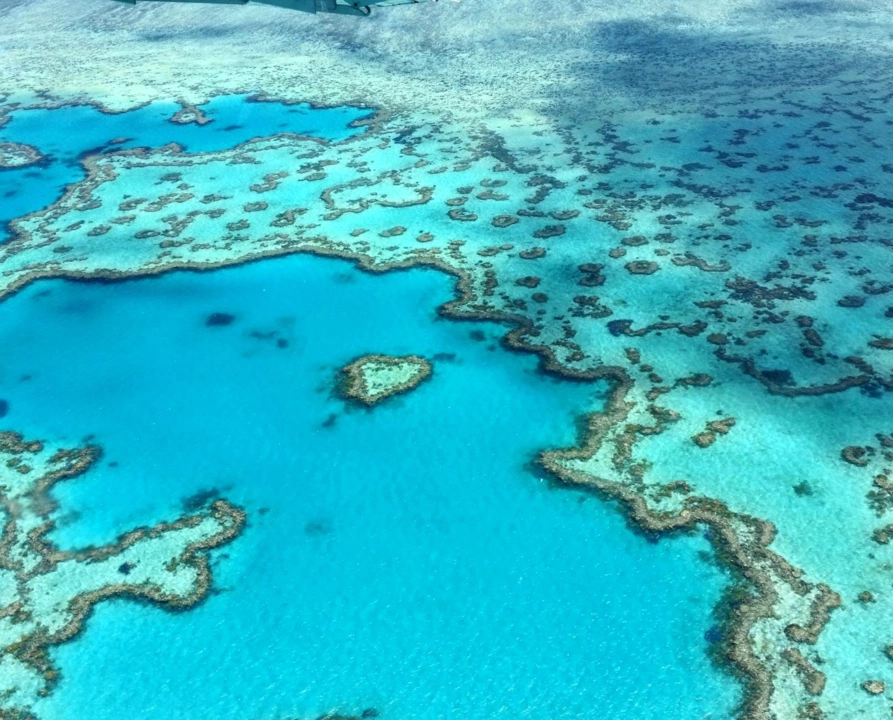
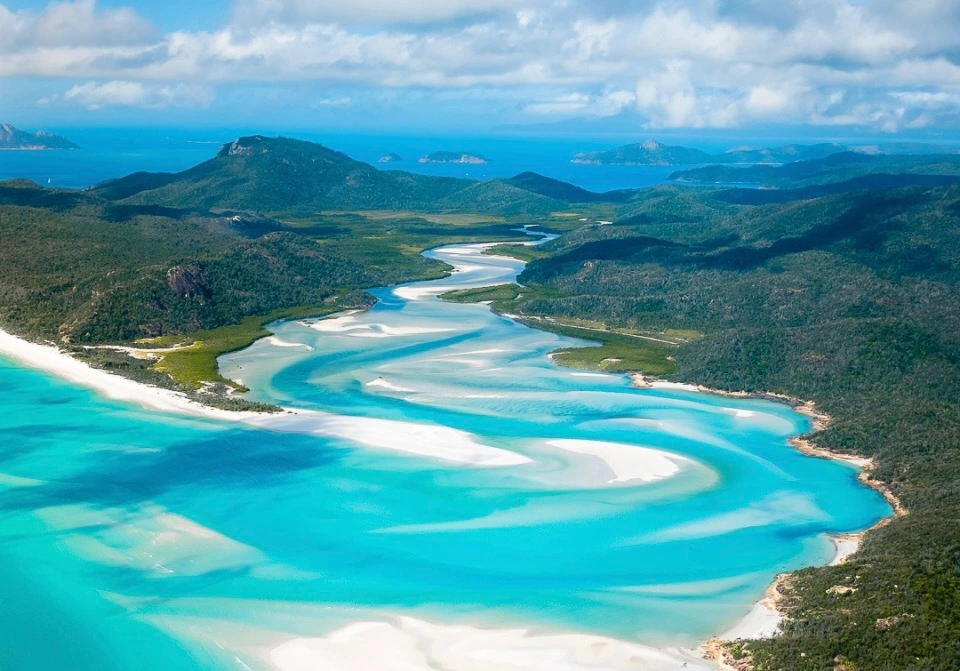
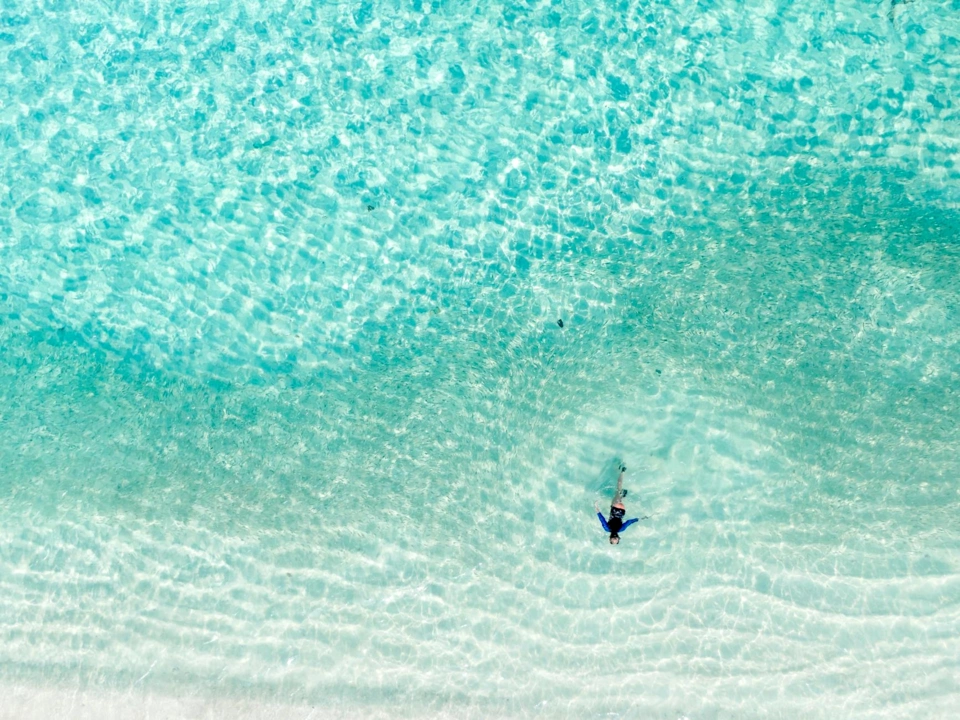
The Whitsunday Islands are the kind of place that makes even seasoned travellers stop mid-sentence. Seventy-four continental islands scattered across a turquoise stretch of the Coral Sea, sheltered by the Great Barrier Reef and wrapped in some of the most pristine tropical water in the southern hemisphere. Whitehaven Beach – seven kilometres of pure white silica sand so fine it squeaks underfoot – regularly ranks among the world’s most beautiful beaches. Hill Inlet’s shifting tidal sands create patterns of turquoise and white that look digitally enhanced but are entirely natural. And beneath the surface, the reef supports over 500 coral species and 1,600 fish species in water so clear the visibility routinely exceeds 20 metres.
The cruising here is extraordinary. Most of the 74 islands are separated by no more than three nautical miles, making this genuine line-of-sight sailing. Hook Island’s Nara Inlet feels like a tropical fjord, Cid Harbour offers bomb-proof shelter in any weather, and the snorkelling sites at Blue Pearl Bay, Manta Ray Bay and Butterfly Bay are among the finest inside the Great Barrier Reef Marine Park. The luxury end is anchored by InterContinental Hayman Island (the former One&Only), while Hamilton Island provides an international airport, the acclaimed Bommie restaurant at Hamilton Island Yacht Club, and a gateway to the outer reef via helicopter or fast catamaran. For charter guests, the Whitsundays deliver everything the tropical imagination demands – warm water, spectacular reefs, deserted beaches and a pace that slows to match the tide.
Whether you’re planning a long weekend among the islands or a full week with an outer-reef excursion, this guide covers every anchorage, every season and every experience. Enquire with Boatcrowd for availability and pricing on our Whitsunday fleet.
Why Charter a Yacht in the Whitsundays
Inside the Great Barrier Reef
The Whitsundays sit within the Great Barrier Reef Marine Park – the largest reef system on earth, covering 344,400 square kilometres and visible from space. The inner fringing reefs grow off the edges of the islands themselves, so world-class snorkelling is literally metres from your anchorage. Blue Pearl Bay’s coral beds include underwater caves, bommies and swim-throughs teeming with tropical fish and sea turtles. The outer reef – Hardy Reef and Bait Reef, roughly 39 nautical miles from shore – offers pristine hard-coral formations, manta rays, reef sharks and the famous Heart Reef (a natural heart-shaped coral formation, best viewed by helicopter). Over 100 public moorings are maintained by the Great Barrier Reef Marine Park Authority, and your crew handles all permits and logistics.
Compact Island-Hopping
The Whitsundays cover a cruising area of roughly 30 by 40 nautical miles, with most islands separated by no more than three nautical miles. Coral Sea Marina in Airlie Beach to Hayman Island is approximately 15 nautical miles; to Hamilton Marina, roughly 16 nautical miles. Boat hops between islands typically take 15–40 minutes, which means you can visit a different island every morning and a different snorkelling site every afternoon without a single long passage. The navigation is line-of-sight, the anchorages are well charted, and the trade winds (south-easterly, most reliable June–August) keep conditions predictable.
Whitehaven Beach and Hill Inlet
Whitehaven Beach is the Whitsundays’ calling card. Seven kilometres of pure white silica sand – 98% silica, making it among the purest in the world – stretching along the eastern coast of Whitsunday Island. The sand is so fine it never gets hot, so reflective it seems to glow, and the water beside it runs through every shade of turquoise the ocean can produce. At the northern end, Hill Inlet creates one of nature’s great canvases: the incoming tide swirls sand and water into shifting patterns of blue, green and white that change hourly. Climb the lookout trail for the overhead view that graces every Whitsunday brochure. Your crew tenders you ashore before the day-trip boats arrive, sets up a gourmet beach picnic, and leaves you with nothing to do but swim, walk and marvel.
World-Class Snorkelling and Diving
The Whitsundays offer both inner-reef and outer-reef experiences. Inner fringing reefs – at Blue Pearl Bay, Manta Ray Bay, Luncheon Bay, Butterfly Bay and Langford Island – support soft corals, clownfish colonies, sea turtles, reef sharks and (May–September) manta rays up to eight metres wide. The outer reef sites at Hardy Reef and Bait Reef offer dramatic drop-offs, hard-coral gardens and larger marine life. Hardy Reef’s Reefworld pontoon provides snorkelling, semi-submersible submarine tours and an underwater observatory, with an option to sleep on the pontoon under the stars (Reefsleep) or in one of two underwater hotel suites (ReefSuites). Your crew can arrange helicopter transfers to the outer reef for a truly unforgettable day.
Humpback Whale Season
From June to September, humpback whales migrate through the Whitsunday waters on their annual journey from Antarctic feeding grounds to tropical breeding areas. The whales are increasingly arriving earlier and staying later, and the sheltered waters between the islands serve as a nursery for mothers and calves. Watching a 40-tonne humpback breach beside your yacht – or hearing its song through the hull as you anchor overnight – is one of Australia’s great wildlife encounters. Your captain knows the best spots and respects the strict approach distances mandated by the Marine Park.
Key Destinations in the Whitsundays
-
Whitehaven Beach, Whitsunday Island – Seven kilometres of 98% pure silica sand, Hill Inlet lookout, and water that runs through every shade of turquoise. The Whitsundays’ signature destination and one of the world’s most beautiful beaches.
-
Nara Inlet, Hook Island – A dramatic, fjord-like inlet on Hook Island’s western coast. Sheltered, calm water; a trail to 9,000-year-old Ngaro Aboriginal rock art; and a seasonal waterfall. The most popular first-night anchorage.
-
Blue Pearl Bay – Near Hayman Island. Spectacular coral beds with underwater caves, bommies and swim-throughs. Sea turtles, tropical fish and occasional manta rays. Shallow areas for beginners, deeper terrain for experienced snorkellers.
-
Hamilton Island – The most developed island, with an international airport (direct flights from Sydney, Melbourne and Brisbane), the acclaimed Bommie restaurant at Hamilton Island Yacht Club, and the gateway to the outer reef. Heart Reef helicopter tours depart from here.
-
InterContinental Hayman Island – The Whitsundays’ most exclusive resort (formerly One&Only Hayman Island). Adults-only villas, Pacific Restaurant overlooking the ocean, and a sense of seclusion that matches any private island in the Pacific.
-
Cid Harbour, Whitsunday Island – The most secure anchorage in the Whitsundays: deep protected water between Whitsunday Island and Cid Island, excellent holding, complete shelter from all wind directions. The go-to bad-weather anchorage.
-
Langford Island – A hidden gem near Hayman Island. A long, narrow sand spit that stretches into the sea at low tide and nearly vanishes at high tide. Exceptional snorkelling at the north-western end over scattered bommies forming a coral maze.
-
Butterfly Bay, Hook Island – Sheltered anchorage on Hook Island’s northern coast. Named for the butterflies sometimes spotted on the beach. Coral outcrops, shallow walls and bommies teeming with colourful reef fish.
Best Time to Charter in the Whitsundays
Peak Season: September to November (Spring)
Spring is the Whitsundays’ most sought-after window. Consistently sunny weather, low humidity, temperatures of 26–30°C, and September’s status as the driest month make conditions near-perfect. The tail end of humpback whale season overlaps with the start of optimal reef visibility. Charter demand is highest during this period and Australian school holidays; book early.
Dry Season: April to August
The broad dry season is excellent for chartering. April and May mark the transition out of the wet season: clearing skies, cooling temperatures and improving visibility. June to August delivers the best sailing conditions – steady south-east trade winds at around Beaufort 4, near-zero rainfall, daytime temperatures of 24–25°C, and water temperatures holding at a comfortable 25°C. This is also peak humpback whale season (July–September). June through August is the sweet spot for guests who want perfect weather, whale encounters and uncrowded anchorages.
Wet Season: December to March
The wet season brings warmer temperatures (28–32°C), higher humidity, occasional afternoon thunderstorms and the possibility (though statistically small) of tropical cyclones. The compensations are warmer water (26–29°C), fewer boats, significantly lower charter rates, and spectacular seasonal waterfalls at Nara Inlet. Guests who don’t mind a tropical shower can find exceptional value during the wet months.
Signature Experiences
- Walk Whitehaven Beach at Sunrise – Your crew tenders you to the northern end of Whitehaven before anyone else arrives. Seven kilometres of silica sand glowing pink in the dawn light, the tide pulling turquoise water through Hill Inlet’s sand flats. Coffee and warm pastries waiting on the aft deck when you return.
- Snorkel Blue Pearl Bay – Slip into the water over coral gardens alive with tropical fish, sea turtles and occasional manta rays. Underwater caves, bommies and swim-throughs. Your crew provides full snorkelling kit and guides beginners.
- Helicopter to Heart Reef – A scenic helicopter flight from Hamilton Island over the outer Great Barrier Reef to the naturally heart-shaped coral formation. A maximum of six guests land on the exclusive Heart Reef pontoon for snorkelling, a glass-bottom boat tour and 90 minutes of reef immersion.
- Nara Inlet Rock Art – Anchor in the fjord-like inlet and walk the forest trail to 9,000-year-old Ngaro Aboriginal stencil paintings – among the most significant cultural sites in the Whitsundays. Your crew arranges the visit at the quietest time of day.
- Sunset at Langford Island – Watch the tide reveal a white sand spit stretching into the sea as the afternoon light turns the water to liquid gold. Snorkel the scattered bommies at the north-western end, then return to the yacht for dinner as the Coral Sea sky fills with stars.
- Whale Watching (June–September) – Humpback whales migrate through the Whitsunday waters, breaching, tail-slapping and nursing calves in the sheltered channels between the islands. Your captain positions the yacht for respectful encounters.
Yacht Types Available
-
Motor Yachts (78’–99’) – The most popular choice for Whitsunday charters. Swift enough to cover the full island chain, with shallow drafts for coral-fringed anchorages. Crewed with captain, chef and steward/ess, full water toys and all-inclusive service.
-
Superyachts (100’+) – Coral Sea Marina in Airlie Beach accommodates superyachts up to 70 metres. Designated superyacht anchorages are available throughout the Whitsunday Planning Area. Expansive deck space, full dive operations and helicopter landing pads make the most of this tropical paradise.
-
Luxury Catamarans (55’+) – Shallow draft, exceptional stability and generous deck space make catamarans ideal for the Whitsundays’ reef-fringed lagoons. Sunreef and Lagoon models in the 55’–80’ range carry crews of 3–4 and sleep 6–10 guests in spacious cabins. The most comfortable option for families with young children.
Frequently Asked Questions
How much does a yacht charter in the Whitsundays cost?
Crewed motor yachts (78’–99’) start from around $35,000–$60,000 per week all-inclusive during peak season (September–November). Superyachts (100’+) range from $95,000–$200,000+ per week on MYBA terms. Luxury catamarans (55’–80’) start from roughly $30,000–$50,000 per week. Dry-season rates (April–August) and wet-season rates (December–March) are typically 15–30% softer. Enquire with Boatcrowd for a personalised quote.
Can I snorkel the Great Barrier Reef from a Whitsunday charter?
Absolutely. The inner fringing reefs around the islands – Blue Pearl Bay, Manta Ray Bay, Langford Island and more – are accessible directly from your anchorage. For the outer Great Barrier Reef (Hardy Reef, Bait Reef, Heart Reef), your crew can arrange a helicopter transfer from Hamilton Island or a fast-catamaran excursion to the Reefworld pontoon at Hardy Reef. Both options return you to your yacht the same day.
When is the best time to see whales in the Whitsundays?
Humpback whales are most frequently spotted from June to September, with July and August being the peak months. The whales migrate from Antarctic feeding grounds to the warm tropical waters to breed and nurse calves. The sheltered channels between the Whitsunday islands are a favoured nursery area. Your captain knows the best vantage points and maintains respectful distances as required by the Marine Park.
How do I get to the Whitsundays?
Hamilton Island Airport (Great Barrier Reef Airport, code HTI) receives direct flights from Sydney, Melbourne and Brisbane via Qantas and Virgin Australia. From Hamilton Island, a short ferry or tender ride connects you to your charter yacht at Coral Sea Marina in Airlie Beach or directly at Hamilton Island Marina. Alternatively, Whitsunday Coast Airport (Proserpine, code PPP) is approximately 40 minutes’ drive from Airlie Beach, with flights from Brisbane, Cairns, Melbourne and Sydney.
Are there anchoring restrictions in the Whitsundays?
Yes. The Whitsunday Islands lie within the Great Barrier Reef Marine Park, and anchoring regulations protect the coral reefs. No-anchoring areas are marked with white pyramid-shaped buoys with blue labels. You must not anchor within 50 metres of moorings or 200 metres of pontoons. More than 100 free public moorings are maintained throughout the islands for use in areas of live coral. Vessels over 35 metres have access to 21 designated superyacht anchorages. Your crew handles all permits and mooring logistics.
Is the Whitsundays suitable for families?
The Whitsundays are one of Australia’s best family charter destinations. Water temperatures hold at around 25°C year-round, the sheltered anchorages are calm and shallow, and the snorkelling is accessible to children of all ages (your crew provides age-appropriate instruction and kit). Whitehaven Beach’s gentle shallows are safe for paddling and swimming, and Cid Harbour’s sheltered waters offer calm conditions even in breezy weather. Catamarans are particularly popular for families.
Ready to plan your Whitsundays charter?
Tell us your dates and party size – we'll match you with the right yacht and crew.
25–30 min by road to Abell Point Marina
Every yacht is chartered fully crewed with a professional captain and crew, so no licence or sailing experience is required — you simply step aboard.
Best time to charter Australia
Local knowledgeThe Whitsundays' dry-season window means stinger-free swimming, Whitehaven's silica sands and the Great Barrier Reef on the doorstep.
