 Skip to content

 EN
EN  Deutsch
  Français
  Español
  Italiano
  日本語
日本語  Português


St John · In this guide
St John Guide: Luxury Yacht Charter in St John
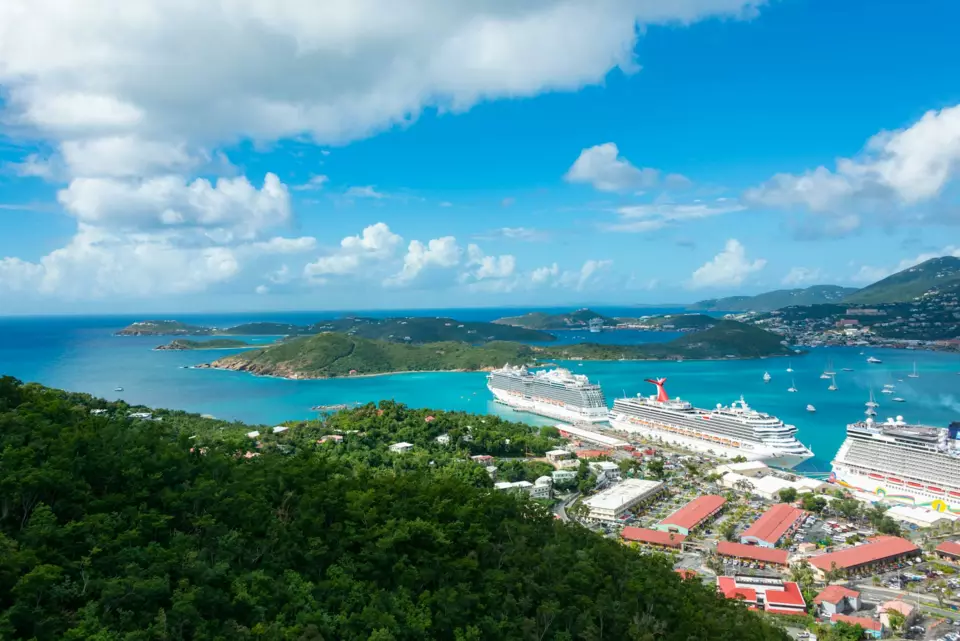
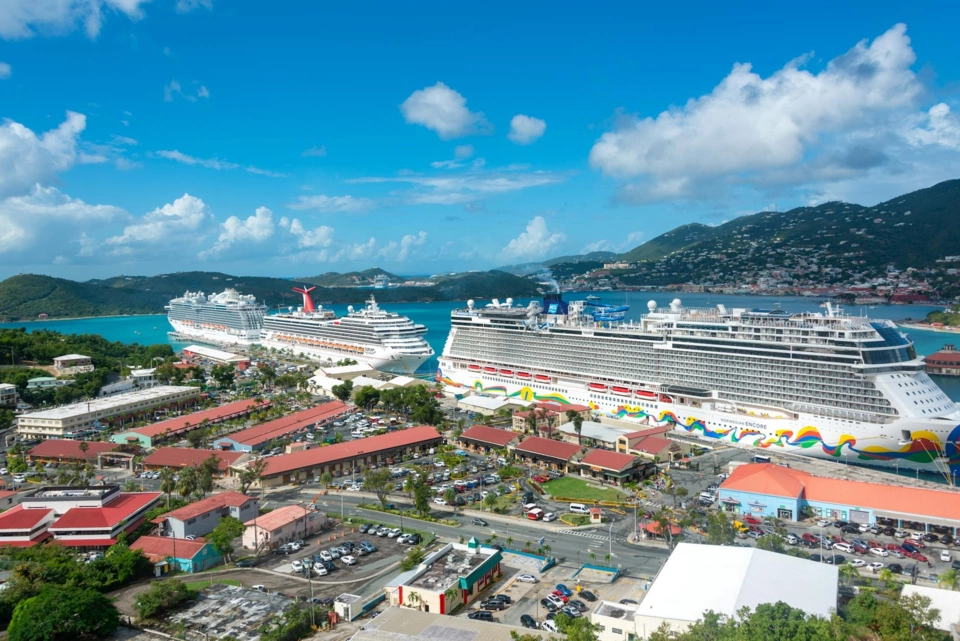
St John is the jewel of the US Virgin Islands. The smallest of the three main islands (just 20 square miles), it is also the most beautiful – and it is not close. Two thirds of the island was donated by Laurance Rockefeller to the US National Park Service in 1956, creating the Virgin Islands National Park: 7,259 acres of tropical forest, white-sand beaches, historic sugar-mill ruins and coral reef that have been protected from development for nearly seven decades. The result is an island where the beaches are pristine, the reefs are healthy, the hiking trails wind through centuries-old plantation ruins, and the water is so clear that snorkelling feels like swimming in an aquarium.
St John has no airport and limited development. Cruz Bay, the main settlement on the western shore, is a village of pastel-painted buildings, open-air restaurants, gift shops and a ferry dock connecting to St Thomas (20 minutes by passenger ferry, 15 minutes by yacht). From Cruz Bay, a single road winds east across the island’s mountainous spine, with viewpoints that drop your jaw at every turn – the famous overlook at Trunk Bay, the sweeping panorama of Coral Bay, the lush valleys of virgin forest. But St John is fundamentally a water destination, and the best way to experience it is from the deck of a yacht, anchoring in a different bay each morning and swimming ashore to beaches that feel like they belong on a postcard from another era.
Whether you’re here for a day trip from St Thomas or devoting your entire charter to St John’s coastline, you will leave planning your return. Enquire with Boatcrowd for yacht charter availability and pricing on our St John fleet.
Why Charter a Yacht in St John
Virgin Islands National Park
Two thirds of St John is protected as a US national park – one of the smallest but most visited in the entire system. The park encompasses tropical forest, mangrove wetlands, over 7,000 acres of underwater reef, and some of the most pristine beaches in the Caribbean. Hiking trails lead through the ruins of 18th-century Danish sugar plantations (the Annaberg Plantation ruins, overlooking Leinster Bay, are the most impressive), past century-old stone walls covered in frangipani, and to viewpoints that explain why Rockefeller wanted this island preserved forever. Because the park limits development, the beaches, reefs and forest are in remarkably good condition – better, in many cases, than they were 50 years ago.
Caribbean’s Finest Snorkelling
St John’s coral reefs support over 40 species of coral and more than 400 species of reef fish. Trunk Bay’s underwater trail is the world’s first marked snorkel path. Waterlemon Cay, a fringing reef surrounding a small islet in Leinster Bay, is regularly cited as one of the best reef snorkels in the Caribbean – spotted eagle rays, stingrays, barracuda, nurse sharks and dense schools of tropical fish in 2–5 metres of crystal water. Maho Bay’s seagrass beds are home to green sea turtles that graze within arm’s reach of snorkellers. And Hurricane Hole, within the Virgin Islands Coral Reef National Monument, offers the extraordinary sight of coral growing on mangrove roots – a phenomenon found in very few places on earth.
Yacht-Friendly Anchorages
The National Park Service maintains mooring buoys at most of St John’s popular bays, making anchoring straightforward and reef-friendly ($26 per night). Caneel Bay, Trunk Bay, Hawksnest Bay, Cinnamon Bay, Maho Bay, Francis Bay, Leinster Bay and Salt Pond Bay all have moorings, and your captain knows which bays offer the best shelter on any given day based on wind direction. The island’s compact size means you can visit three or four bays in a single day without a long passage either on a yacht or catamaran – most repositions are 10–20 minutes.
Quiet, Unspoilt Character
St John has a permanent population of roughly 4,000 and no cruise-ship dock. Compared to St Thomas’s bustle, it feels like a different world. Cruz Bay has a handful of excellent restaurants (ZoZo’s at Caneel Bay for a four-course romantic dinner, Miss Lucy’s for kallaloo soup on the beach, Woody’s Seafood Saloon for fish tacos in the heart of town), a few shops and a laid-back bar scene, but the real attraction is the natural beauty. The island is dark at night – no light pollution – and the star-gazing from the aft deck of your yacht at anchor is exceptional.
Key Destinations Near St John
- Cruz Bay – The main settlement and ferry dock on the western shore. Pastel buildings, open-air restaurants (Morgan’s Mango, The Banana Deck, Woody’s Seafood Saloon), boutiques and a relaxed bar scene. The National Park Visitor Centre is here – worth a 30-minute stop for trail maps and history. Dinghy dock available for tender access.
- Trunk Bay – The most famous beach in the USVI and arguably the Caribbean: a wide crescent of white sand, turquoise shallows and the world’s first underwater snorkel trail (225 metres, marked plaques, coral gardens). Mooring buoys available. National park entry fee $5. Best visited early morning before the day-trippers arrive from St Thomas.
- Caneel Bay – A sheltered anchorage on the western shore with 20 mooring buoys and seven beaches across a 170-acre peninsula. The former Rockefeller resort closed after Hurricane Irma in 2017; the ruins and beaches are now part of the national park and are being gradually restored. Excellent hiking and snorkelling.
- Maho Bay – The turtle beach. Calm, shallow water over seagrass beds where green sea turtles graze almost daily. Mooring buoys, a sandy beach with a few picnic tables, and some of the most reliable turtle encounters in the Caribbean. Not to be missed.
- Francis Bay – One of the quietest anchorages on St John. A sandy beach backed by a salt pond where birds gather, with good snorkelling along the western headland. The Mary Creek Trail leads to the Annaberg Sugar Plantation ruins. An ideal overnight yacht anchorage – peaceful, dark and star-filled.
- Leinster Bay and Waterlemon Cay – A sheltered bay on the north-east coast with a fringing reef surrounding the small Waterlemon Cay – one of the Caribbean’s best snorkels. Spotted eagle rays, stingrays, barracuda, nurse sharks and abundant tropical fish in 2–5 metres of water. The Annaberg Sugar Plantation trailhead is nearby.
- Coral Bay – St John’s quieter, more bohemian settlement on the eastern shore. A wide, shallow bay with several anchorage options. Skinny Legs (burgers, beer, zero pretension) is the local landmark. Coral Bay provides access to the island’s wilder southern and eastern coasts.
- Salt Pond Bay – A beautiful south-coast bay with excellent snorkelling (nurse sharks, turtles, rays), a sandy beach and the trailhead for the Ram Head hike – a dramatic clifftop walk to panoramic views. One of St John’s least crowded beaches.
Best Time to Charter in St John
Peak Season: December to April
The dry season brings near-perfect conditions: 25–29°C (77–84°F), low humidity, minimal rain and steady trade winds. Mooring buoys at popular bays (Trunk Bay, Maho Bay) can fill by mid-morning – arrive early. This is high season in St John with premium pricing, but the consistently clear skies and excellent visibility make it worth it.
Shoulder Season: May–June and November
Warmer (28–31°C), calmer seas, emptier moorings and softer pricing. Brief afternoon showers are common but rarely disrupt a full day’s snorkelling. The turtles at Maho Bay are present year-round. Many returning guests consider June the ideal St John month.
Summer: July to October
Hurricane season, though most days are warm and sunny. The national park is at its quietest, and the snorkelling can be exceptional on calm days. Rates are lowest, moorings are empty, and the sense of seclusion is amplified. Book with weather-flexibility provisions.
Signature Experiences
- Trunk Bay Underwater Trail – Swim the world’s first marked underwater snorkel trail through coral gardens alive with parrotfish, angelfish and sea fans. The beach above is consistently ranked in the top ten worldwide.
- Turtle Snorkel at Maho Bay – Wade in and swim alongside green sea turtles grazing on seagrass in barely a metre of water. One of the most reliable and magical wildlife encounters in the Caribbean.
- Waterlemon Cay Reef Snorkel – Circle the small cay in Leinster Bay through one of the Caribbean’s richest fringing reefs. Eagle rays, stingrays, barracuda and nurse sharks in crystal water.
- Annaberg Plantation Ruins – Hike through the ruins of an 18th-century Danish sugar plantation overlooking Leinster Bay. Stone windmill towers, slave quarters and sugar-boiling works set against panoramic sea views.
- Ram Head Trail, Salt Pond Bay – A 45-minute coastal hike through cactus scrub to a dramatic rocky headland 200 feet above the Caribbean, with views across to St Croix.
- Stargazing from the Aft Deck – St John’s lack of development means virtually no light pollution. Anchor your catamaran in Francis Bay or Leinster Bay and watch the Milky Way arc across the sky from the comfort of your yacht.
Yacht Types Available
-
Motor Yachts (55’–99’) – Quick repositioning between bays (10–20 minutes), shallow draft for close-to-shore anchoring, and full watersports complement for exploring the national park.
-
Superyachts (100’+) – Larger vessels anchor in the deeper waters of Caneel Bay, Cruz Bay harbour, or Coral Bay and send tenders to the smaller beaches. Privacy and space in a setting of extraordinary natural beauty.
-
Luxury Catamarans (55’+) – The ideal St John vessel. Shallow draft accesses every mooring, the stable platform is perfect for snorkelling and diving, and the deck space is made for lazy days at anchor in the national park.
Frequently Asked Questions
How do I get to St John?
St John has no airport. Most guests fly into St Thomas (Cyril E. King International Airport) and transfer by yacht or ferry. The yacht crossing from St Thomas’s Red Hook to Cruz Bay is just 3 nautical miles (15 minutes). The public passenger ferry runs every hour and takes 20 minutes. Your Boatcrowd team will coordinate the transfer so you step off the plane and onto the yacht with minimal fuss.
Are there mooring fees in the national park?
Yes. The National Park Service maintains mooring buoys at most popular bays. The overnight fee is $26 per night, with a maximum stay of 7 nights per bay and 30 nights per year. Payment stations are located at Cruz Bay, Caneel Bay, Francis Bay, Leinster Bay, Salt Pond Bay and Great Lameshur Bay. Your crew handles all mooring logistics.
Is St John suitable for children?
Exceptionally so. The national park’s calm, sandy-bottomed bays are ideal for young swimmers. Maho Bay’s turtle encounters are thrilling for children of all ages. Trunk Bay’s underwater trail makes snorkelling accessible and educational. And the hiking trails through plantation ruins offer real-world history lessons in a beautiful setting. Catamarans with their easy swim-platform access are particularly family-friendly.
How long should I spend on St John?
A day trip from St Thomas gives you a taste – Trunk Bay and Maho Bay in a single morning. But St John truly rewards 2–3 full days: enough to explore the western bays, the northern snorkel sites, and the quieter eastern and southern coasts. The 3-day and 4-day itineraries in this guide cover different stretches and can be combined into a full week.
Can I hike in the Virgin Islands National Park from my yacht?
Absolutely, and it’s one of the great advantages of chartering a yacht or catamaran on St John. Your captain drops you at one bay, you hike a coastal trail, and the yacht meets you at the next bay. The Lind Point Trail (Cruz Bay to Caneel Bay, 1.6 km), the Annaberg Plantation Trail (overlooking Leinster Bay), and the Ram Head Trail (from Salt Pond Bay to a dramatic clifftop viewpoint) are all easily accessible from mooring buoys.
Ready to plan your St John charter?
Tell us your dates and party size – we'll match you with the right yacht and crew.
15–20 min by road to Yacht Haven Grande
Every yacht is chartered fully crewed with a professional captain and crew, so no licence or sailing experience is required — you simply step aboard.
Best time to charter USVI
Local knowledgeSt Thomas, St John and St Croix pair US convenience with BVI-grade sailing – half of St John is national park, its bays on permanent protection.
